




Heating Service in Sebring, FL
Heating Heating Service in Sebring, FL
Heating may feel secondary in much of Florida, but reliable heating services are essential in Sebring, FL where cool nights, occasional cold fronts, and homes with older equipment create real comfort and safety needs.
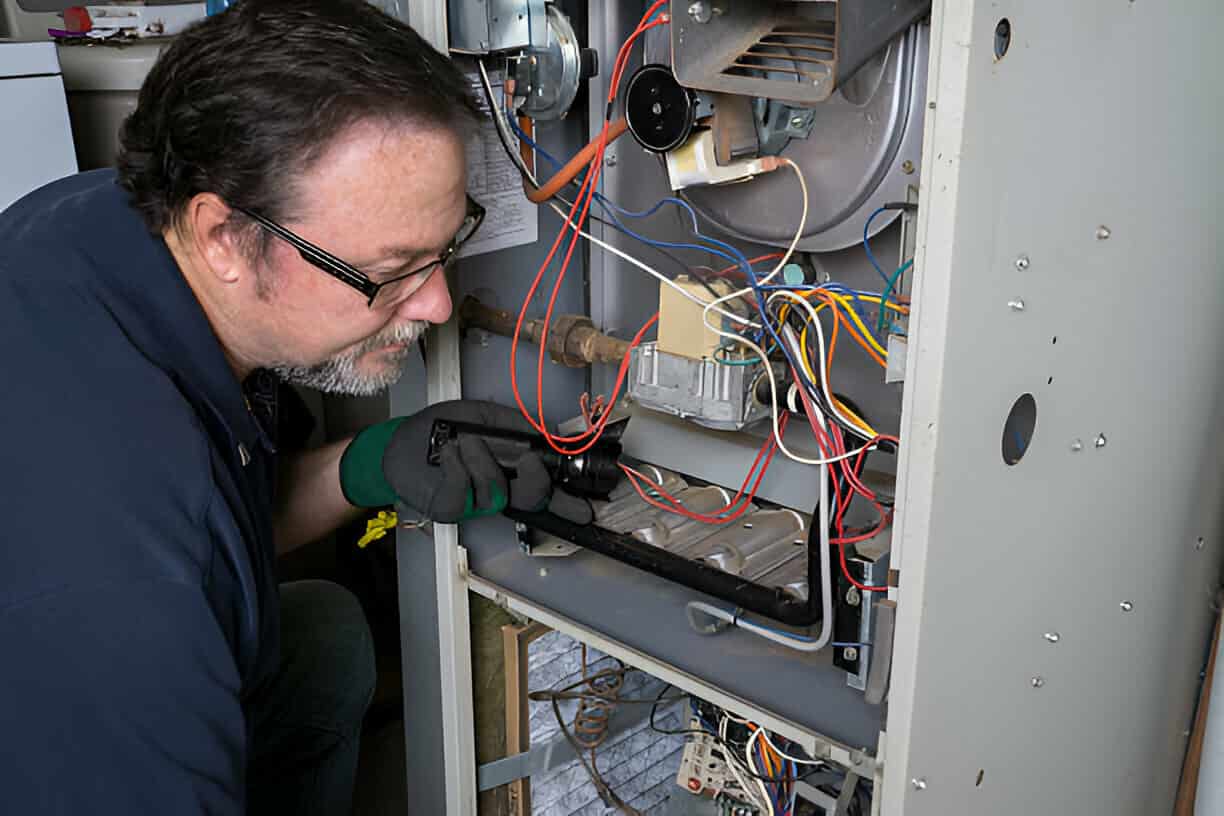
Why professional heating service matters in Sebring, FL
Sebring’s climate is generally mild, but humidity, seasonal temperature swings, and morning lows in winter months make heating equipment usage important for comfort, health, and protecting plumbing. Many local homes use heat pumps or ductless mini-splits rather than traditional furnaces, which requires technicians experienced with refrigerant systems and electrical controls. Delaying service can mean reduced efficiency, higher energy bills, and premature equipment failure - all of which are avoidable with timely, professional attention.
Common heating systems in Sebring homes
- Heat pumps (air-source) - most common for year-round climate control
- Ductless mini-splits - popular for room-by-room control and retrofits
- Electric resistance heaters - used in some older or specific-application homes
- Gas furnaces - less common but present in some properties
- Hybrid systems - combinations of heat pumps and supplemental heating
Common heating issues in Sebring, FL
- Weak airflow or uneven heating caused by clogged filters, duct leaks, or failing blowers
- Short cycling due to improper sizing, thermostat issues, or refrigerant problems
- Refrigerant leaks and reduced heat output on heat pump systems
- Noisy operation from worn bearings, motors, or loose panels
- Electrical failures or tripped breakers from connections that need tightening or replacement
- Corrosion and moisture-related wear accelerated by humid conditions if condensate lines or outdoor coils are not maintained
- Thermostat malfunctions leading to inaccurate temperature control
Typical diagnostic and service procedure
Professional heating work follows a clear, documented sequence so homeowners know what to expect:
- Initial assessment - visual inspection of indoor and outdoor units, thermostat check, review of recent performance and any unusual sounds or smells.
- System diagnostics - measurements of airflow, temperature differential, electrical current, refrigerant pressure (for heat pumps), and safety device checks.
- Written estimate - clear description of recommended repairs or replacement options, with parts and labor explained (no surprise work is performed without approval).
- Repair or installation - experienced technicians perform repairs using OEM-equivalent parts where possible; installations include proper mounting, electrical hookup, and refrigerant charging when required.
- Testing and calibration - system is run through cycles to verify correct operation, airflow, and safety; thermostat calibration and zoning checks are completed.
- Cleanup and documentation - work site cleaned, service performed logged, and maintenance recommendations provided.
Technician credentials and safety standards
Heating work in Sebring should be performed by technicians who meet modern industry and regulatory standards:
- State-licensed and industry-certified technicians with up-to-date training
- NATE-certified or equivalent competency certifications for HVAC service are common markers of skill
- EPA-certified for safe refrigerant handling on heat pumps and mini-splits
- Background-checked, insured, and following local building codes and permit requirements
- Use of calibrated diagnostic tools, proper personal protective equipment, and documented safety protocols
Typical response times and emergency support
- Routine service and maintenance appointments are commonly scheduled within 24 to 72 hours depending on seasonality.
- Urgent repairs (no heat, suspected electrical hazard, major refrigerant leak) are typically prioritized for same-day or next-business-day response; true emergencies may be handled with faster dispatch when available.
- Seasonal demand (cooler months) can extend wait times; maintenance agreements often provide priority scheduling to reduce delays.
Service contracts, maintenance plans, and guarantees
Homeowners in Sebring often choose a structured plan to protect comfort and investment:
- Planned maintenance agreements usually include scheduled tune-ups (often twice per year for dual-season climates), priority service, and discounts on parts and labor.
- What plans typically cover: filter reminders or replacements, coil and blower cleaning, safety checks, electrical tightening, refrigerant pressure checks, and performance reports.
- Warranties and guarantees commonly provided: parts and labor warranties for new installations, workmanship guarantees for repairs, and satisfaction follow-ups after service.
- Transparent terms: clear scope of work, renewal terms, cancellation policies, and documentation of performed tasks are essential parts of any contract.
What to expect for installations, repairs, and tune-ups
Installation:
- Professional installations begin with a load calculation (Manual J or equivalent) to correctly size equipment for Sebring homes’ insulation, window area, and occupancy.
- Proper permitting, placement of outdoor units, and attention to drainage and airflow ensure reliable performance.
Repairs:
- Technicians will explain root causes, repair vs replacement options, and estimated life expectancy of components.
- Emphasis on using quality replacement parts and testing after repair to confirm the issue is resolved.
Tune-ups and preventative care:
- Typical tune-up tasks: cleaning coils and drain lines, replacing filters, lubricating motors, checking refrigerant and pressures, tightening electrical connections, testing thermostats, and measuring airflow.
- Regular tune-ups preserve efficiency, improve indoor air quality, and extend equipment life.
Long-term benefits and homeowner maintenance tips for Sebring
Professional heating service improves comfort, reduces energy costs, and lowers the risk of mid-season breakdowns. For homeowners:
- Replace or clean filters regularly (monthly to quarterly based on system and occupancy)
- Keep outdoor units clear of vegetation, mulch, and debris to maintain airflow
- Shade outdoor units when practical but maintain clearance for airflow
- Schedule annual or biannual professional tune-ups, ideally before the cooler months
- Consider duct sealing and insulation to improve system efficiency and comfort

Customer Testimonials

Service Areas
