Heating Repair in Sebring, FL
Heating Repair in Sebring, FL
Heating repair in Sebring, FL focuses on keeping your home safe, comfortable, and energy-efficient through winters that are mild but occasionally brisk. Because many Sebring homes rely on heat pumps for year‑round comfort and a mix of furnaces or boilers in select properties, repair needs vary.
Why timely heating repair matters in Sebring, FL
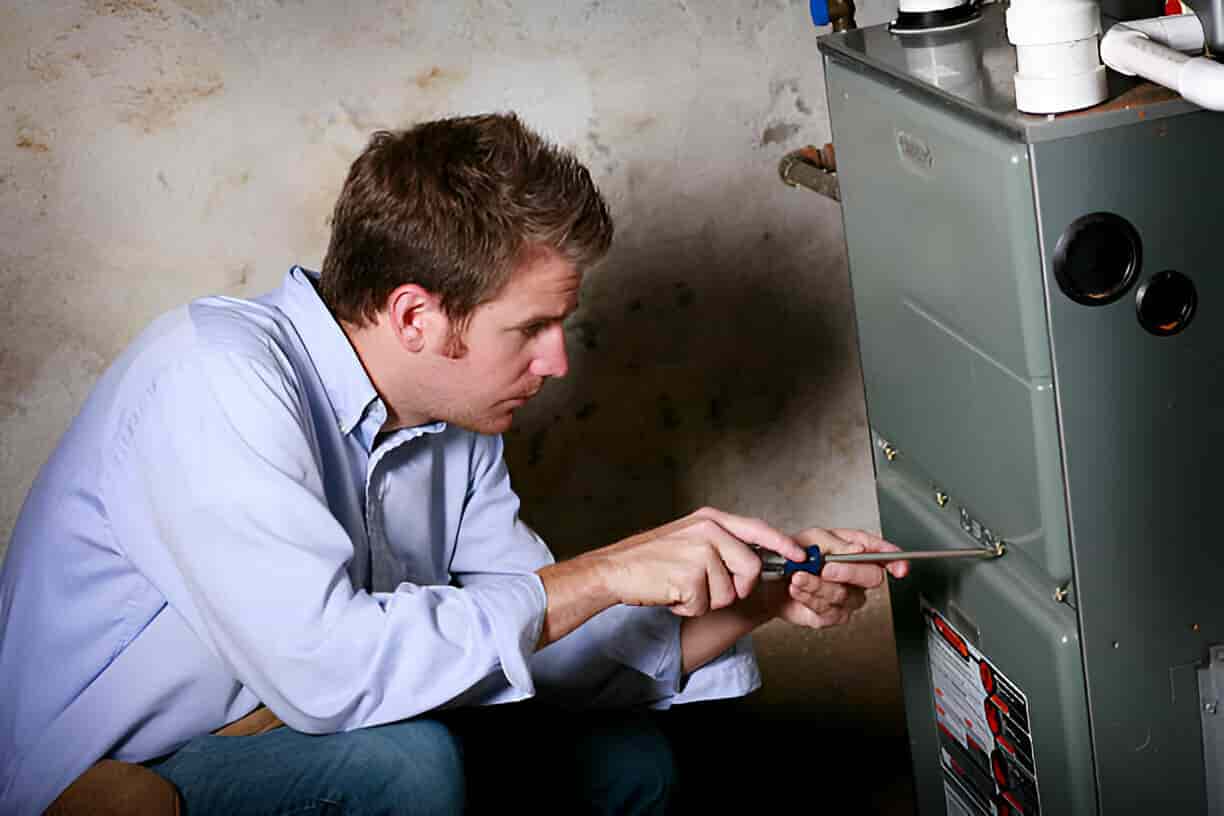
Even though Sebring’s winters are short and temperatures usually stay moderate, cold snaps, humidity swings, and the need to preserve indoor comfort make functioning heating equipment essential. Delaying repairs can reduce system efficiency, raise energy use, create indoor air quality risks, and, for combustion appliances, increase safety hazards like carbon monoxide exposure. For homes with heat pumps, prompt attention prevents stress on the compressor and avoids higher cooling-season bills.
Common heating systems in Sebring and their typical issues
- Heat pumps (most common): loss of heating capacity, noisy operation, short cycling, frozen outdoor unit, failing defrost cycle, low refrigerant, electrical failures.
- Furnaces (gas or electric): ignition problems, pilot or electronic ignition failure, blower motor faults, clogged burners, heat exchanger cracks.
- Boilers (hydronic systems): low pressure, leaks, circulation pump failures, air in the system, thermostat mismatches.
- Hybrid systems or ductless mini‑splits: refrigerant leaks, communication errors between heads and outdoor unit, sensor faults.
Common heating issues in Sebring, FL - causes and fixes
- Weak or no heat from a heat pump: often caused by faulty thermostats, low refrigerant, failed reversing valve, or compressor issues. Diagnostics include thermostat verification, pressure checks, electrical inspection, and defrost function testing. Fixes range from recalibration and refrigerant recharging to reversing valve or compressor replacement.
- Short cycling: commonly due to dirty filters, improper thermostat placement, or failed pressure switches. Resolving short cycling improves lifespan and efficiency.
- Ignition failure on furnaces: typical causes are clogged burners, faulty igniters or flame sensors, or gas supply issues. Cleaning burners and replacing ignition components usually restores functionality.
- Noisy operation or vibration: loose panels, failing blower bearings, unbalanced fans, or refrigerant flow restrictions. Technicians will tighten, lubricate, or replace worn parts and rebalance components.
- Leaking boilers or hydronic lines: corrosion, failed valves, or loose fittings. Repairs include replacing seals, valves, or sections of piping and pressure testing the system.
- Electrical and control failures: capacitors, contactors, control boards, and sensors wear out. Replacing electrical components and verifying correct control logic is standard.
Diagnostic approach technicians use
- Visual inspection: cabinet, filters, vents, outdoor unit, flues, and visible wiring.
- System startup and observation: listen for unusual noises, watch cycling patterns, and confirm thermostat commands.
- Electrical testing: verify voltage, current draw on motors and compressors, and continuity of safety switches.
- Refrigerant and pressure checks (for heat pumps): measure pressures, temperature splits, and leak detection.
- Combustion and venting tests (for gas appliances): flame analysis, flue draft check, and carbon monoxide screening.
- Component-level testing: blower motors, capacitors, contactors, igniters, and control boards.
Diagnostics typically identify the root cause and clarify whether a repair, parts replacement, or system retrofit is the best option.
Parts replacement practices and longevity
- Use correctly sized, OEM or equivalent parts specified by the manufacturer to preserve performance and safety.
- Match refrigerant type and system capacities when replacing compressors or metering devices.
- Replace wear items proactively: filters, capacitors, contactors, belts, and sensors to reduce repeat failures.
- For combustion systems, replace cracked heat exchangers or badly corroded flues rather than risk continued operation.
- Document serial numbers and part specifications for warranty and future maintenance tracking. Proper parts selection and professional installation minimize callbacks and keep equipment operating efficiently in Sebring’s humid environment.
Emergency heating repair procedures and safety
Emergencies include lack of heat during cold snaps, gas smells, or a triggered carbon monoxide alarm. Safe emergency steps:
- If you smell gas, leave the home immediately, avoid sparks or flames, and notify the gas utility or emergency responders.
- If a carbon monoxide alarm sounds, evacuate and get fresh air; do not re-enter until the area is declared safe.
- For total heating failure in cold weather, isolate the system per manufacturer guidance and use safe, approved temporary heating sources if necessary. Professional emergency response prioritizes occupant safety: isolating the hazard, stabilizing the system, performing immediate temporary repairs when safe, and scheduling a full repair or replacement with proper parts and testing.
Safety inspections and recommended checks for Sebring homes
- Annual or biannual inspection: Heat pumps often benefit from two seasonal checks (pre‑cooling and pre‑heating seasons); combustion appliances should be inspected annually before winter.
- Combustion analysis: confirms safe and efficient burner operation and identifies carbon monoxide risks.
- Heat exchanger and flue inspection: checks for cracks, corrosion, or blockages in gas systems.
- Electrical safety: verifies correct wiring, breakers, contactors, and capacitor health.
- Airflow and ductwork evaluation: inspects filters, registers, and ducts for leaks or contamination that reduce heating effectiveness.
- Refrigerant integrity check: detects leaks and confirms proper charge for heat pumps.
These inspections reduce emergency breakdowns and ensure systems meet safety norms while handling Sebring’s humidity and temperature swings.
Typical timelines for diagnosis and repair
- Initial diagnostic visit: often complete within 30 to 90 minutes, depending on system complexity.
- Minor repairs (filters, igniters, thermostats, capacitors, contactors): can frequently be completed the same day, in a few hours.
- Moderate repairs (compressor start components, reversing valves, blower motors): typically require several hours to a day.
- Major repairs or replacements (compressor replacement, heat exchanger replacement, boiler overhaul): may take one to several days depending on part availability and system access. Technicians usually prioritize safety and temporary stabilization when full repair cannot be completed immediately.
Maintenance and long‑term benefits
Regular maintenance - seasonal tuneups, filter changes, and inspections - preserves system efficiency, lowers energy consumption, extends equipment life, and reduces the likelihood of emergency repairs. In Sebring, proactive attention to heat pump defrost cycles and moisture control yields better winter comfort and prepares systems for heavy cooling loads in summer.

Customer Testimonials

Service Areas