Heating Maintenance in Sebring, FL
Heating Maintenance in Sebring, FL
Keeping your heating system reliable, efficient, and safe requires more than occasional attention. In Sebring, FL, where humidity, mild winters, and seasonal storms combine with year-round use of heat pump systems, a tailored heating maintenance plan prevents expensive breakdowns, improves indoor comfort, and extends equipment life.
Why heating maintenance matters in Sebring, FL
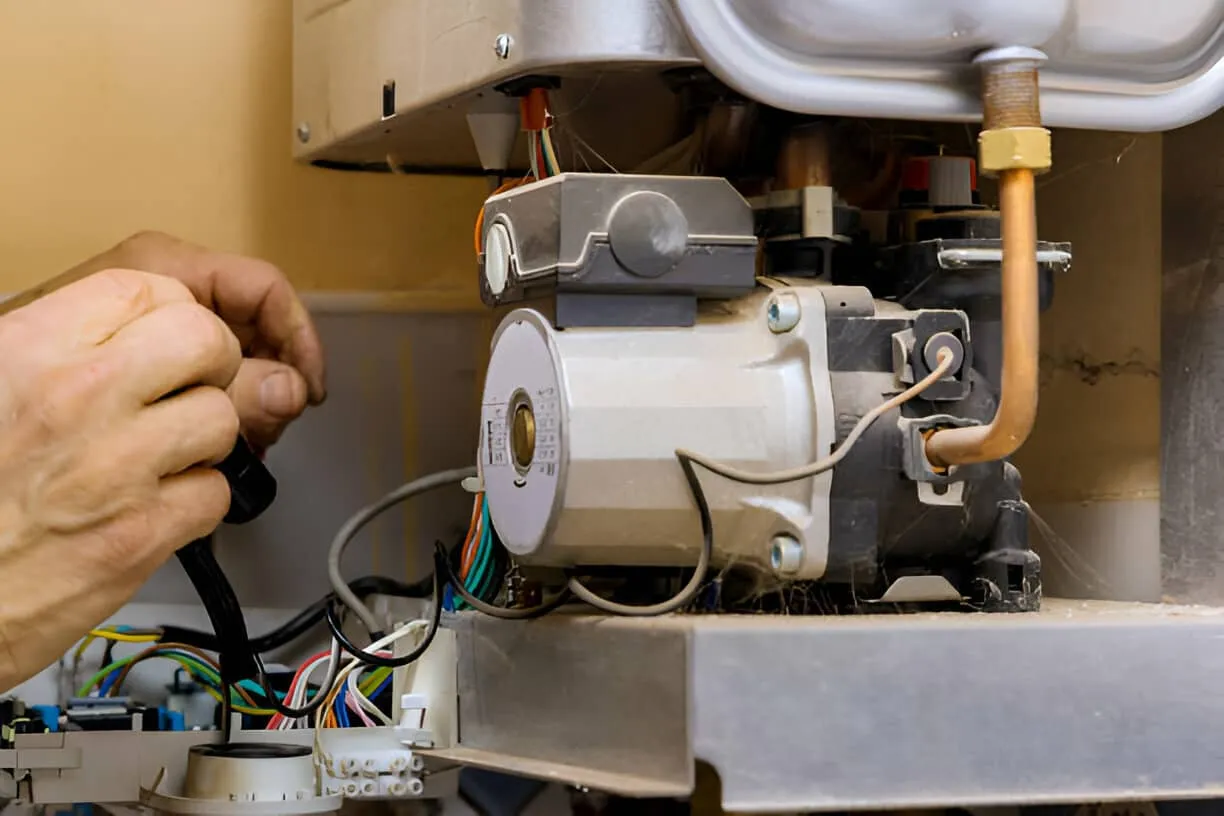
Sebring’s climate produces specific challenges for heating systems. Many homes rely on heat pumps or hybrid HVAC systems that both cool and heat throughout the year; these systems accumulate dust, pollen, and moisture that reduce efficiency. High humidity leads to condensate drain clogs and faster corrosion of metal components. Storms and occasional cold snaps place extra stress on compressors, fans, and electrical components. Regular maintenance tuned to local conditions prevents small problems from becoming emergency breakdowns when you need heat most.
Common heating systems covered
- Heat pumps (air-source and packaged systems) - the most common choice in Florida for year-round climate control.
- Ductless mini-splits - popular in additions and older homes without ductwork.
- Gas or propane furnaces and hybrid systems - less common but present in some Sebring properties for backup warmth.
- Boilers and radiant heating - used in select installations; maintenance focuses on corrosion protection and water quality.
- Whole-house HVAC systems with combined heating and cooling components.
Each system type needs a tailored maintenance approach. In Sebring, plans emphasize moisture management, refrigerant health, and electrical protection against storm-related surges.
Typical issues preventive maintenance addresses
- Clogged air filters restricting airflow and reducing efficiency.
- Dirty evaporator/condenser coils that lower heat transfer and raise energy use.
- Refrigerant leaks or improper charge causing poor heat output and compressor strain.
- Faulty thermostats and control calibration leading to short cycling or uneven temperature.
- Condensate drain blockages and microbial growth due to humidity.
- Worn belts, bearings, and motors causing noise and eventual failure.
- Corroded electrical connections and failed capacitors/contactors after high-humidity exposure.
- Duct leaks, insulation gaps, and airflow imbalances that waste energy.
- Storm-related damage such as outdoor unit displacement, water intrusion, or power surge effects.
What a seasonal inspection and tune-up includes
A complete seasonal inspection is a methodical process that looks beyond quick filter changes. Typical steps include:
- Visual inspection of the outdoor unit, refrigerant lines, and cabinet for corrosion or damage.
- Clean coils and fins to restore proper heat transfer.
- Check and replace filters to recommended MERV or manufacturer levels.
- Test refrigerant pressure and top off or diagnose leaks if charge is out of spec.
- Inspect and test electrical components: contactors, capacitors, breakers, and wiring.
- Lubricate motors and moving parts where applicable.
- Verify airflow and measure temperature split to confirm proper operation.
- Clean and clear condensate drains and pans; treat to prevent microbial growth.
- Calibrate thermostat and verify system controls and safety switches.
- For fossil-fuel systems: inspect flue, heat exchanger, and perform combustion safety checks.
- Run a full-system performance test to identify inefficiencies or intermittent faults.
Each step is designed to catch weak points before they cause service interruptions or costly component failures.
Filter and component replacement schedule
- Filters: check every 1 month; replace every 1-3 months depending on type, occupancy, and pets.
- Belts and pulleys: inspect annually; replace as wear appears.
- Capacitors and contactors: evaluate annually; common replacements every 3-7 years depending on stress.
- Refrigerant system servicing: inspect annually; repair leaks as needed — do not delay.
- Heat exchangers and burners (fossil-fuel systems): inspect annually for safety and efficiency.
- Motors and bearings: monitor performance annually; service or replace according to condition.
Following a predictable replacement schedule reduces emergency repairs and keeps efficiency high.
Safety checks and efficiency tuning
A thorough maintenance visit includes safety-focused testing and performance tuning:
- Safety tests: verify limit switches, safety interlocks, electrical grounding, and for gas systems, check for leaks and proper venting. Carbon monoxide risk is rare in properly maintained systems but should be tested when applicable.
- Efficiency tuning: correct refrigerant charge, optimize airflow by adjusting blower speed or cleaning ducts, and calibrate thermostats to eliminate short cycling. These adjustments lower energy consumption and improve comfort consistency.
Addressing both safety and efficiency protects your household and reduces operating costs.
Membership and agreement options
Maintenance agreements typically bundle routine inspections into seasonal visits timed to local needs (pre-winter heating check and pre-summer cooling check). Common features of membership plans include:
- Scheduled seasonal inspections and tune-ups.
- Priority service scheduling during peak seasons.
- Discounted labor or parts pricing for covered repairs.
- Reminder notifications aligned with Sebring’s seasonal calendar.
- Documentation of service history to preserve resale value and warranty compliance.
These structured plans make upkeep predictable and ensure systems receive attention when local weather transitions could cause trouble.
How preventative maintenance saves money in Sebring
Routine maintenance reduces the likelihood of major failures such as compressor replacement, heat exchanger cracks, or total system replacement. Well-maintained systems run more efficiently, which directly lowers energy bills - particularly important in a climate where heat pumps run through transitional seasons. Preventative care also extends equipment life by years, reduces emergency repair costs, and avoids disruptive service interruptions during storms or cold snaps when technicians are in high demand.
Practical tips for Sebring homeowners
- Replace filters on a regular schedule and use higher-quality filters if allergies or pets are present.
- Keep at least two feet of clearance around outdoor units and remove debris after storms.
- Ensure condensate lines slope properly and are accessible for periodic cleaning.
- Secure outdoor units before hurricane season and elevate equipment as appropriate to avoid water damage.
- Schedule maintenance visits in fall and spring to prepare systems for the seasons ahead.
Regular attention aligned with Sebring’s climate keeps systems running smoothly and efficiently.
Maintaining heating systems in Sebring, FL requires a local perspective: focus on moisture control, electrical protection, and seasonal timing. A well-structured maintenance plan protects comfort, safety, and your investment while reducing the chance of inconvenient, costly breakdowns.

Customer Testimonials

Service Areas