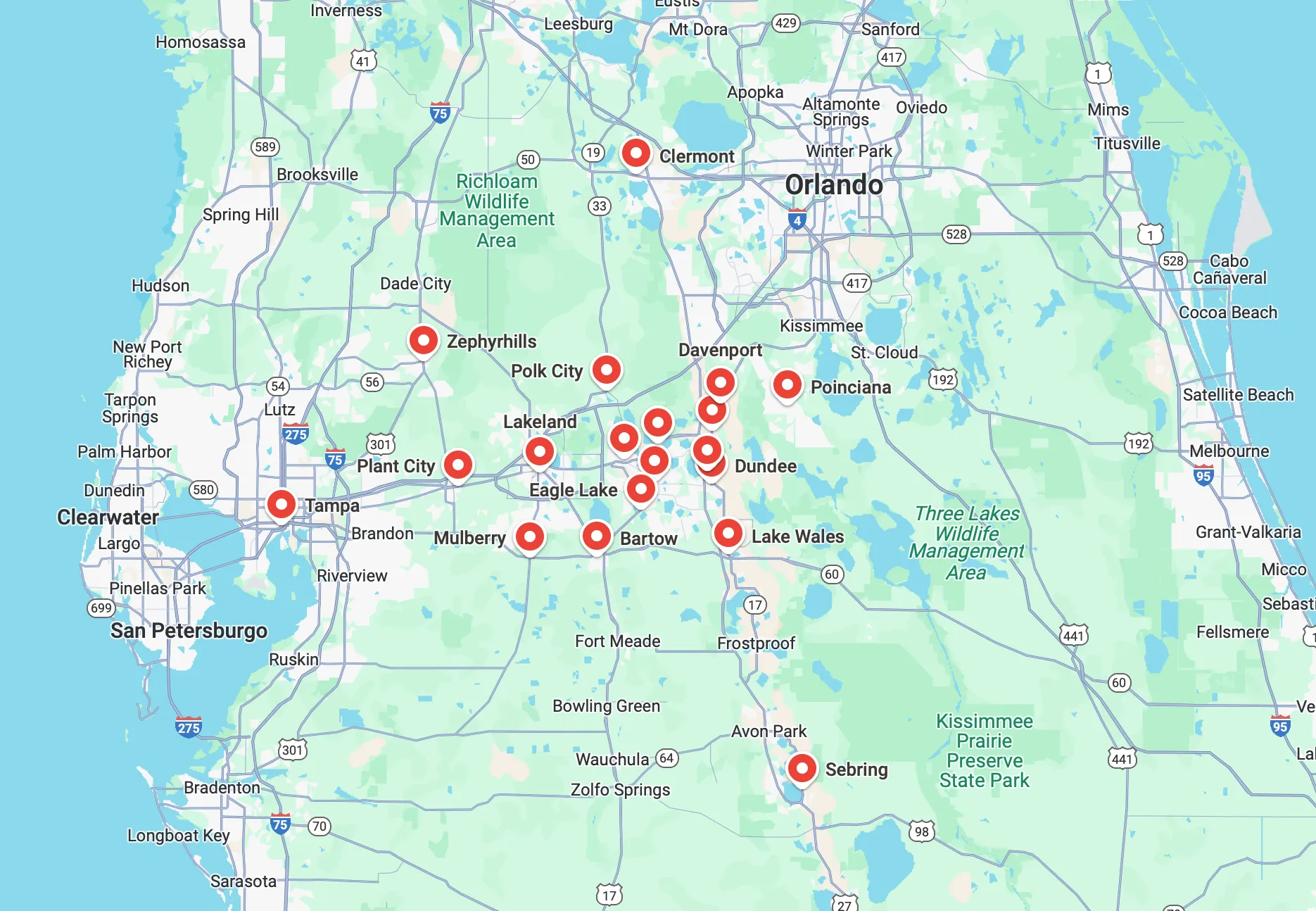
Heating Service in Lake Wales, FL
Heating Service in Lake Wales, FL
When your home needs reliable warmth during a cold snap or an early morning chill, prompt, expert heating service makes the difference between comfort and disruption. In Lake Wales, FL, where winters are generally mild but occasional cold fronts and humidity-related system stress occur, the most common heating systems are heat pumps and gas furnaces.
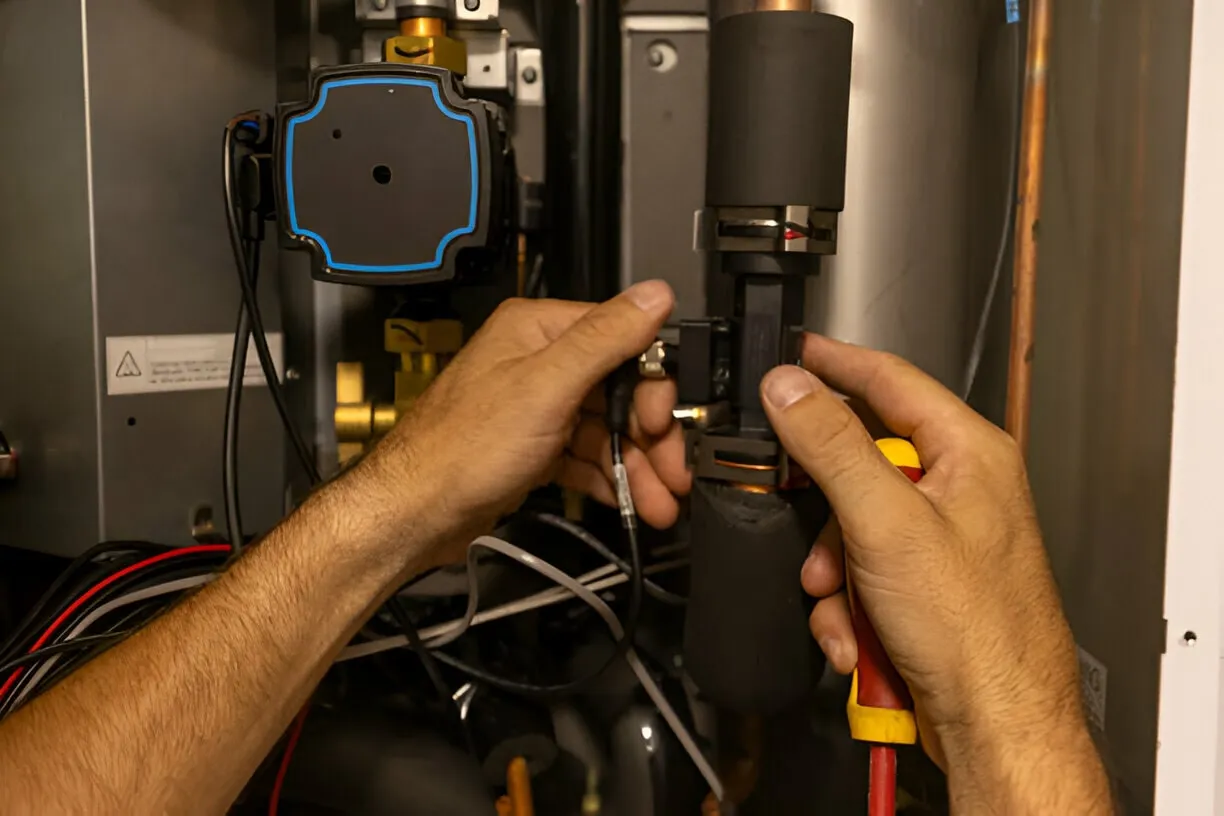
Why professional heating service matters in Lake Wales, FL
Even though Florida winters are short, heating systems here still face unique stresses: frequent on/off cycling during transitional seasons, high humidity that promotes component corrosion and indoor air quality concerns, and older homes in parts of Lake Wales that may have outdated ductwork or undersized systems. Properly maintained systems run more efficiently, avoid costly midseason failures, and extend equipment life. For Lake Wales homes, targeted heating service keeps systems ready for rare cold spells while optimizing energy use during milder months.
Common heating issues in Lake Wales homes
- Uneven heating or cold rooms - often due to duct leaks, poor insulation, or failing blower motors.
- Heat pump failure to switch to auxiliary heat - common during a sudden cold front when strains increase.
- Short cycling - frequent on/off cycles caused by thermostat issues, refrigerant problems, or improper sizing.
- Weak airflow - clogged filters, blocked vents, or failing fans reduce comfort and efficiency.
- Strange noises or odors - loose components, failing bearings, or trapped moisture in the system.
- Pilot or ignition problems (for gas furnaces) - safety-critical issues that require immediate attention.
Understanding these symptoms helps homeowners describe problems accurately during scheduling and get faster, more accurate diagnostics.
Types of heating services provided
- Diagnostic inspections: Comprehensive system checks to identify root causes, including thermostat calibration, electrical safety checks, refrigerant levels for heat pumps, and combustion analysis for gas systems.
- Repairs: Targeted fixes such as replacing capacitors, reversing valves, ignition components, blower motors, thermostats, and managing refrigerant leaks.
- Tune-ups and seasonal maintenance: Routine cleaning, filter replacement guidance, lubrication, calibration, and performance testing to restore factory-level efficiency.
- Maintenance plans: Scheduled visits, priority service, seasonal checks, and documented service history to minimize emergency calls and prolong equipment life.
- Installations and replacements: Sizing assessments, system selection, removal of old equipment, ductwork evaluation, and professional installation with quality controls and system testing.
- Emergency response: After-hours troubleshooting and rapid dispatch for safety-critical failures such as no heat during a hard freeze or suspected gas leaks.
What to expect during diagnostics and service
A proper diagnostic visit follows a consistent process:
- Intake and symptom review - the technician asks when the issue started, what changes were noticed, and any recent service history.
- Visual and safety inspection - checking electrical panels, gas connections (if applicable), and overall system condition.
- Operational testing - running the system through modes to replicate the problem and record performance data.
- Targeted testing - measuring refrigerant pressure, combustion efficiency, airflow, and temperature differentials.
- Clear explanation of findings - technicians provide a plain-language summary of causes, recommended repairs or options, and expected outcomes.
Technicians in Lake Wales will also consider local factors such as attic ventilation and whether July humidity or winter condensation patterns are affecting system components.
Repair and replacement considerations
When a repair is identified, technicians will explain why it is necessary and whether repair or replacement is the more cost-effective long-term choice. Repairs are appropriate for isolated failures on otherwise healthy systems. Replacement becomes prudent when:
- The system is beyond typical useful life for its type or has recurring failures.
- Repair costs approach the value of a significant portion of a new system.
- The existing system is poorly sized or inefficient for current comfort needs.
For replacements, professionals perform right-sizing calculations based on home square footage, insulation, orientation, and Lake Wales climate patterns to ensure efficient performance and comfort year round.
Scheduling and emergency response options
Standard scheduling typically offers routine and next-day appointments for non-emergencies. For urgent problems that affect safety or leave a home without heat during a cold event, emergency response options are available with priority dispatch. Lake Wales homeowners should be prepared to describe symptoms, system age, and any warning indicators so dispatchers can assign the appropriately skilled technician and parts.
Pricing structure overview (what to expect)
Rather than listing fixed prices, the typical pricing structure includes:
- Diagnostic or service call fee for on-site inspection and testing.
- Flat-rate labor for common repair tasks or hourly labor for complex diagnostics.
- Parts billed separately based on manufacturer pricing and warranty status.
- Estimates provided before any nonemergency work begins, with options and expected outcomes explained.
- For installations, itemized proposals covering equipment, materials, labor, and system testing are provided so homeowners can compare options.
This structure helps Lake Wales homeowners understand cost drivers and choose solutions that fit both budget and long-term comfort goals.
Guarantees, warranties, and service assurances
Professional heating services typically include:
- Workmanship guarantees covering labor for a specified period after repair.
- Manufacturer warranties on new equipment and replacement parts.
- Service plan benefits such as priority scheduling, waived diagnostic fees for covered repairs, and documented maintenance records that preserve warranty eligibility.
Always request written warranty details and keep service records to ensure coverage continuity.
Practical maintenance tips for Lake Wales homeowners
- Change or clean filters regularly, especially during pollen and high-humidity seasons.
- Keep outdoor units clear of debris and vegetation to preserve airflow and efficiency.
- Seal or insulate accessible ductwork in attic spaces to reduce heat loss and improve comfort.
- Schedule seasonal tune-ups in early fall so the system is ready before any cold snaps.
- Monitor thermostat settings and consider programmable or smart thermostats to reduce cycling and energy use.
Regular maintenance reduces emergency calls and helps systems operate quietly and efficiently through Florida’s shifting seasons.

Customer Testimonials

Service Areas