Heating Maintenance in Lake Wales, FL
Heating Maintenance in Lake Wales, FL
Keeping your heating system reliable and efficient in Lake Wales, FL means planning for maintenance that reflects our regional climate and the types of equipment most homeowners use. Even though winters are mild, cold snaps, overnight temperature swings, and high humidity can expose weaknesses in heat pumps, furnaces, and mini-split systems. Regular, professional heating maintenance preserves comfort, reduces repair risk, and helps systems run safely and cost-effectively when you need them.
Why routine heating maintenance matters in Lake Wales, FL
- Heat pumps are common in Central Florida homes because they provide both heating and cooling. They need seasonal attention to perform well in lower temperatures.
- High humidity and pollen in Polk County increase the load on filters and indoor components, accelerating dirt buildup and reducing airflow.
- Less frequent use can mask problems. Systems used primarily for cooling can develop issues during long idle periods that only become apparent when heating is required.
- Safety and indoor air quality concerns such as carbon monoxide risk from gas-fired appliances and mold or dust in ductwork are more likely without regular service.
Common heating types and issues in Lake Wales homes
- Heat pumps (air-source) - reduced efficiency, icy outdoor coils, reversing valve wear, compressor stress during cold nights
- Gas furnaces - ignition problems, cracked heat exchanger risk, burner sooting, flue draft issues
- Electric furnaces and resistance heat - element wear, high electric draw, thermostat calibration problems
- Ductless mini-splits - blocked filters, indoor coil dirt, remote control or inverter issues
- Ductwork and ventilation - leaks, disconnected joints, pollen and dust accumulation
Common maintenance-related problems in Lake Wales include poor heat output during sudden cold snaps, higher electric bills from reduced efficiency, frequent short-cycling, and indoor air quality complaints during pollen season.
What a comprehensive heating maintenance visit includes
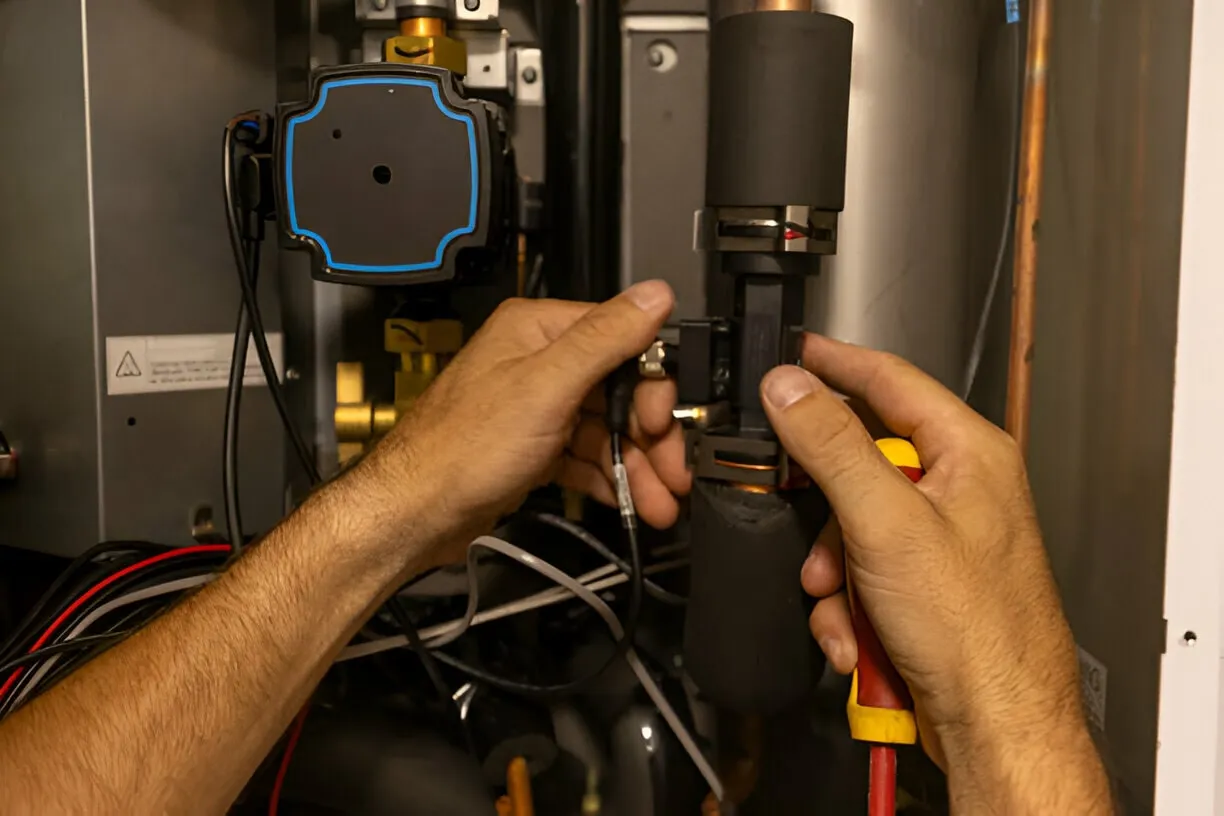
A thorough maintenance program addresses performance, safety, and longevity. Typical maintenance steps include:
- Scheduled inspection and system evaluation
- Visual inspection of the indoor and outdoor units, heat exchanger, and ductwork
- Review of thermostat settings and controls for proper functioning
- Component cleaning and lubrication
- Clean or replace filters and vacuum blower assemblies to restore airflow
- Clean indoor coils and outdoor unit fins to maximize heat transfer
- Lubricate motors and bearings where applicable to reduce wear
- Electrical and mechanical checks
- Tighten electrical connections, test capacitors, relays, and safety switches
- Inspect belts and pulleys, replace if worn
- Efficiency and performance checks
- Measure airflow and static pressure to identify blockages or duct leaks
- Check temperature rise for furnaces and delta T for heat pumps
- Verify compressor operation and reversing valve function on heat pumps
- Safety and emissions testing
- Test for proper combustion, flue draft, and carbon monoxide for gas appliances
- Inspect heat exchanger integrity and venting systems
- Drain and condensate management
- Clear and test condensate drains and traps to prevent water damage and microbial growth
- System-specific checks
- Refrigerant charge check for heat pumps (looking for leaks or undercharge)
- Control board diagnostics and firmware checks for smart systems
- Filter program integration
- Set up or maintain filter replacement schedules with correct MERV rating recommendations based on household needs
Heat pump-focused maintenance - important for Lake Wales
In Lake Wales, heat pumps are the primary heating source for many homes. A heat pump-focused tune-up includes checking the outdoor coil and fan for debris, ensuring the defrost cycle is operating, verifying refrigerant level to maintain efficiency, and testing the reversing valve and compressor. Because heat pumps run year-round, seasonal maintenance twice a year - once before the cooling season and once before the cooler months - prevents performance decline.
Membership and service agreement benefits
Joining a residential heating maintenance membership or service agreement delivers predictable upkeep and priority care during peak demand. Typical benefits include:
- Scheduled seasonal tune-ups and inspection reminders timed for Lake Wales weather patterns
- Priority scheduling during cold snaps or system failures
- Reduced diagnostic fees and preferred rates for repairs and parts
- Documented maintenance records that help with home resale value
- Ongoing filter delivery or replacement programs to keep indoor air quality high during pollen season
A structured agreement reduces the chance of surprise breakdowns and spreads the cost of upkeep across the year.
How regular maintenance preserves reliability and performance
Routine maintenance directly impacts system lifespan and homeowner comfort:
- Restores and sustains designed energy efficiency, lowering monthly bills
- Prevents minor faults from becoming major failures through early detection
- Reduces emergency repair frequency and related higher costs
- Maintains safe operation of gas-fired appliances and prevents carbon monoxide exposure
- Improves indoor air quality by managing dust, pollen, and moisture that build up in ducts and equipment
- Extends equipment life by reducing motor and component stress through lubrication and proper adjustments
Seasonal recommendations for Lake Wales homeowners
- Schedule a heating tune-up in late October or early November to prep systems for cool nights and unexpected cold snaps.
- If you rely on a heat pump, add a spring checkup after heavy pollen season to clear coils and filters before higher cooling loads.
- Enroll in a filter program or check filters every 1 to 3 months; Lake Wales humidity and pollen mean faster clogging.
- Consider a duct inspection if you notice uneven heating, increased dust, or higher energy use.
Regular, professional heating maintenance tailored to Lake Wales conditions keeps systems efficient, safe, and ready when temperatures drop. Following a predictable maintenance rhythm and using a service agreement designed for local weather patterns gives homeowners reliable year-round comfort and better long-term value from their heating equipment.

Customer Testimonials

Service Areas