Heating Service in Lake Alfred, FL
Heating Heating Service in Lake Alfred, FL
Keeping your home comfortable year round in Lake Alfred, FL means more than occasional tune ups. Even though Central Florida winters are mild compared with northern states, your heating system plays a vital role during cool nights, cold snaps, and in controlling indoor humidity.
-min%2520(1).webp)
Why heating service matters in Lake Alfred, FL
Local climate and home construction influence how heating systems perform. Many Lake Alfred homes rely on heat pumps or multi-split systems that provide both heating and cooling. High humidity and salt air can accelerate wear on outdoor units and electrical components. Left unchecked, minor issues can reduce efficiency, raise energy bills, and create moisture problems that affect indoor air quality. Timely diagnostics and maintenance prevent small faults from becoming major repairs and support longer equipment life.
Common heating issues in Lake Alfred, FL
Homeowners searching for "common heating service issues in Lake Alfred, FL" typically encounter these problems:
- Heat pump short cycling or not reaching set temperature
- Reduced airflow from clogged filters, duct leaks, or failed blower motors
- Strange noises from compressors, fans, or ductwork
- Frozen evaporator coils during low-temperature operation or refrigerant undercharge
- Thermostat calibration or communication issues
- Corrosion and electrical faults on outdoor units caused by humidity and salt exposure
Understanding these patterns helps prioritize diagnostics and select the most cost effective repairs or replacements.
Diagnostic process you can expect
A reliable heating service follows a clear diagnostic workflow:
- System history and symptom review - technician documents operating conditions and prior work.
- Visual inspection - check outdoor unit, indoor coil, ductwork, condensate lines, and electrical connections.
- Instrument testing - measure refrigerant pressures, voltages, amp draws, and temperature differentials.
- Control and safety verification - test thermostats, safety switches, and control boards.
- Report and options - technician explains findings, outlines repair vs replacement choices, and estimates outcomes.
Diagnostics focus on identifying root causes not just symptoms, so repairs address long term performance.
Repairs and solutions
Common repairs for Lake Alfred systems include:
- Refrigerant leak detection and recharge when appropriate
- Blower motor repair or replacement to restore airflow
- Capacitor, contactor, and relay replacement for reliable starts
- Condensate drain cleaning and trap repair to prevent water backups
- Duct sealing and insulation improvements to increase system efficiency
- Control board and thermostat replacement to restore accurate control
When recommending repairs we prioritize durable, code-compliant fixes and discuss expected efficiency and lifespan improvements.
Replacement and installation options
When a system is older, highly inefficient, or repeatedly failing, replacement may be the best long term choice. In Lake Alfred, common options include:
- High-efficiency heat pumps designed for year round comfort in mild climates
- Multi-stage or variable-speed systems that improve comfort and reduce energy use
- Ductless mini-split systems for room-level control or homes without existing ducts
- Matched system installations to ensure proper capacity and refrigerant charge
Proper sizing, quality installation, and attention to refrigerant line lengths and airflow are essential. Local considerations such as permitted equipment types, roof or yard access, and exposure to humidity and salt are factored into selection and placement.
Routine maintenance to extend life and efficiency
Regular maintenance reduces emergency calls and keeps equipment running efficiently. Recommended tasks include:
- Biannual inspections, ideally timed with seasonal transitions
- Filter replacement or cleaning every 1 to 3 months depending on use and indoor air quality
- Coil cleaning and fin straightening to maintain heat transfer
- Electrical connections check and tightening to prevent failures
- Refrigerant and pressure checks to detect slow leaks early
- Lubrication and belt checks where applicable
A documented maintenance history also protects warranty coverage and helps evaluate long term performance trends.
Emergency response for unexpected failures
Even with preventative care, failures can happen. Emergency heating service in Lake Alfred, FL focuses on:
- Rapid diagnostics to isolate immediate safety issues
- Interim measures to restore basic heating or prevent component damage
- Safe handling of electrical or refrigerant hazards
- Clear next steps for permanent repair or replacement
Technicians trained for emergency response will prioritize occupant safety and system preservation during unusual cold snaps or unexpected breakdowns.
Service plans and warranties
Service plans offer predictable maintenance and priority scheduling, with typical features such as:
- Scheduled inspections and tune ups
- Discounted repair labor and parts
- Priority emergency response during peak times
- Record-keeping for warranty compliance
Manufacturer warranties and extended coverage options vary by equipment and installation quality. A thorough explanation of warranty terms, required maintenance, and transferability is part of any professional service consultation.
Customer support and problem resolution
Quality heating service in Lake Alfred, FL includes transparent communication, documented diagnoses, and clear explanations of options. Support commonly covers:
- Written summaries of findings and recommended actions
- Clear timelines for repairs or replacements
- Guidance on energy-saving settings and system operation
- Follow up checks after major repairs or installations
Reliable technicians explain technical issues in plain language so you can make informed decisions about system care and investments.
Tips for safe and efficient heating at home
Practical steps that improve comfort and reduce operating costs:
- Set thermostats to conservative temperatures and use programmable controls for night and away periods
- Replace or clean filters regularly to protect components and maintain airflow
- Keep outdoor units clear of debris, vegetation, and standing water to prevent corrosion
- Seal and insulate ducts and attics to reduce heat loss and improve system balance
- Schedule preventive maintenance before the cooler season when technicians can address issues calmly
Small proactive actions paired with professional maintenance deliver the best long term performance in Lake Alfred homes.

Customer Testimonials

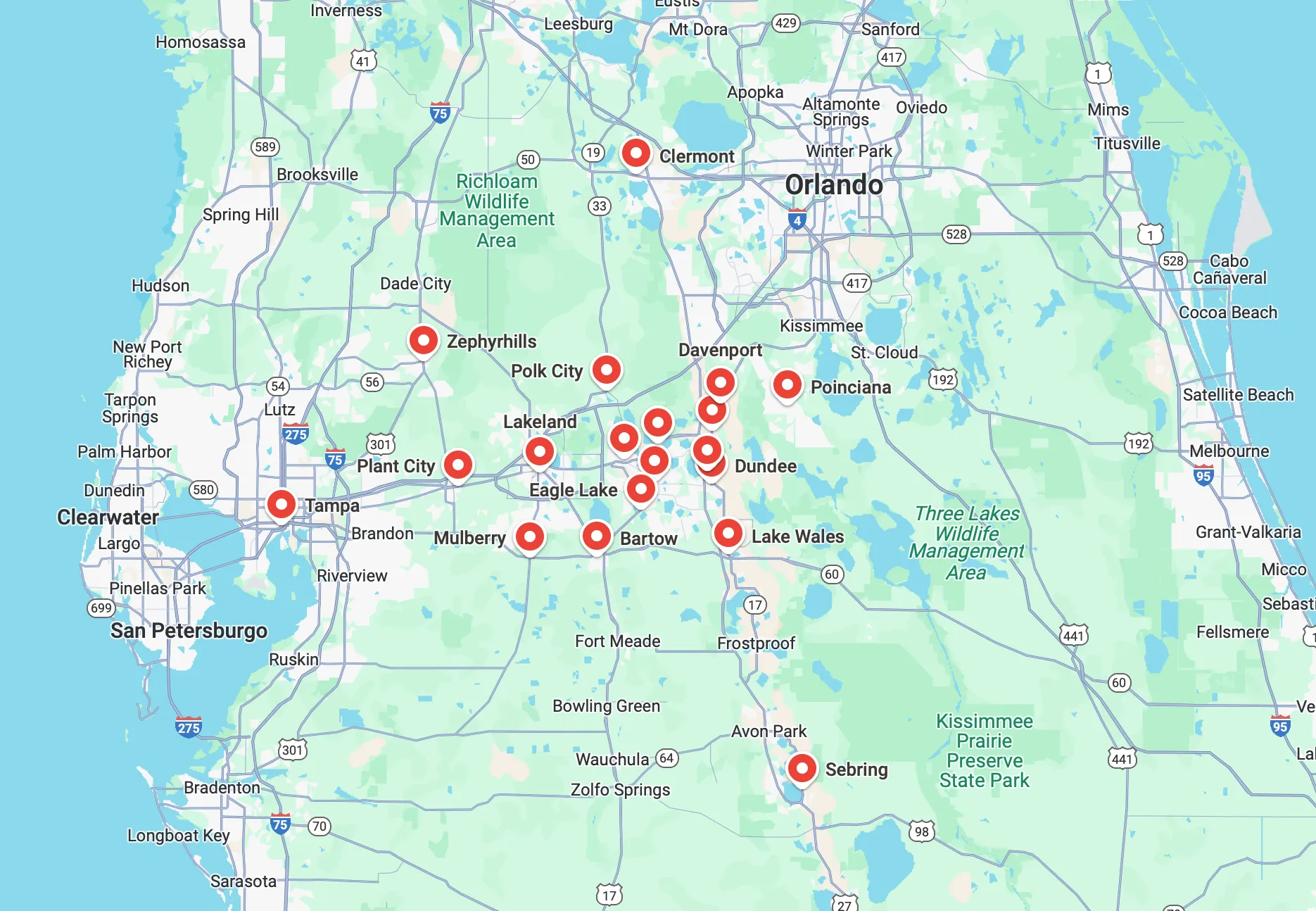
Service Areas