Furnace Service in Lake Alfred, FL
Heating Furnace Service in Lake Alfred, FL
When winter arrives in Lake Alfred, FL, even short cold snaps can make a poorly performing furnace feel urgent. Professional heating furnace service keeps your home safe, comfortable, and energy-efficient year-round.
.jpeg)
Why heating furnace service matters in Lake Alfred, FL
Lake Alfred experiences mild winters but occasional cold fronts that place sudden demand on heating systems. At the same time, Central Florida humidity and airborne particulates can accelerate wear on furnace components. Regular service prevents unexpected failures during cold snaps, improves efficiency to lower energy use, and addresses corrosion and moisture-related issues before they compromise safety or performance.
Common heating furnace issues in Lake Alfred, FL
- Poor or uneven heating in rooms after a cold front
- Furnace cycles on and off frequently (short cycling)
- Yellow or weak pilot flame, delayed ignition, or failed electronic ignition
- Strange noises: grinding, rattling, or high-pitched squeals from the blower or motor
- Reduced airflow due to dirty filters, duct restrictions, or blower issues
- Odors from dust burning after long idle periods or from mold in ducts
- Carbon monoxide concerns from cracked heat exchangers or venting problems
- Corrosion or rust on outdoor components affected by humidity
Types of heating furnace services offered
- Comprehensive diagnostics and system evaluation
- Routine preventive maintenance and seasonal tune-ups
- Component repair and replacement (ignitors, motors, control boards, gas valves)
- Heat exchanger inspection and safety evaluation
- Duct and vent inspection for airflow and leakage
- Emergency furnace repair and priority response
- Service plans with scheduled maintenance, priority service, and parts warranty coverage
- Guidance on improving system efficiency and indoor air quality
What a thorough furnace diagnostic covers
A skilled technician follows a step-by-step diagnostic process to identify root causes, not just symptoms. Typical diagnostic steps include:
- Visual inspection of the furnace cabinet, burners, heat exchanger, and venting pathways.
- Thermostat and control verification to ensure proper setpoints and communication.
- Filter and airflow assessment, including blower motor operation and static pressure checks when needed.
- Ignition and flame analysis: pilot flame or electronic ignition performance and flame pattern.
- Safety control tests, including limit switches, flame sensors, and safety shutoffs.
- Combustion and venting inspection to detect incomplete combustion or vent blockages that can produce carbon monoxide.
- Electrical checks of capacitors, relays, transformers, and control boards for voltage, current draw, and signs of failure.
- Ductwork and return air inspection for leaks, insulation issues, and obstructions that reduce efficiency.
Results are explained clearly, with recommended repairs prioritized by safety, system longevity, and cost-effectiveness.
Typical repairs and component replacement explained
- Ignitor or pilot assembly replacement: Common cause of no-heat conditions; replacement restores reliable ignition.
- Gas valve and pressure adjustments: Essential for safe and efficient burner operation.
- Blower motor and capacitor service or replacement: Restores proper airflow and eliminates overheating or noisy operation.
- Control board diagnostics and replacement: Modern systems rely on electronics; boards can fail due to power surges or age.
- Heat exchanger evaluation and replacement: A cracked heat exchanger is a critical safety concern. If repair is not safe or feasible, replacement is a priority.
- Limit switch and safety control repairs: Prevent dangerous overheating and frequent cycling.
- Duct sealing and repair: Improves airflow and energy efficiency, and helps balance heating across rooms.
Parts are selected for compatibility and durability. Parts warranty details are typically provided with each replacement to protect your investment and provide clarity on coverage.
Preventive maintenance and service plans
Regular preventive maintenance reduces breakdown risk and keeps systems running efficiently. Typical maintenance tasks include:
- Replacing or cleaning filters to preserve airflow and indoor air quality
- Cleaning burners, combustion chambers, and flame sensors
- Lubricating moving parts and checking belts and pulleys
- Testing safety controls and carbon monoxide safety checks
- Verifying thermostat calibration and system cycling
- Inspecting and clearing vents and condensate/drain pathways
Service plans often bundle annual tune-ups, priority scheduling during cold weather, and discounted parts or labor. For Lake Alfred homes, schedule maintenance ahead of expected cold periods to ensure reliable performance when temperatures dip.
Emergency response and reliability during cold snaps
Emergency repair capability matters in Central Florida because even brief cold events can disproportionately affect comfort and health. Emergency services focus on:
- Rapid diagnosis to restore heat quickly
- Temporary safe measures when full repairs require parts or extended work
- Clear communication about safety issues such as carbon monoxide or dangerous heat exchanger conditions
- Prioritization during widespread outages or extreme weather impacts
Emergency response protocols should include on-site safety checks and temporary fixes that protect occupants until permanent repairs can be completed.
Safety and efficiency guidance for Lake Alfred homeowners
- Install and maintain carbon monoxide detectors near sleeping areas and on each floor. Replace batteries and test regularly.
- Keep return vents and supply registers unobstructed to allow proper airflow.
- Change filters regularly; high humidity and local dust can clog filters faster than expected.
- Seal and insulate ducts in unconditioned spaces to prevent heat loss and moisture intrusion.
- Maintain clearance around outdoor intake/exhaust vents and protect them from debris and plant overgrowth.
- Consider system upgrades if your furnace is older than 15 years or requires frequent repairs; newer systems can improve efficiency and indoor comfort.
- If you have a heat pump or hybrid system, ensure seasonal checks cover both heating and cooling components since both are used year-round in Florida.
Long-term benefits of regular furnace service
Timely heating furnace service provides measurable benefits: improved safety, more consistent home comfort during cold spells, lower energy bills through efficient operation, and extended equipment life. For Lake Alfred homes, addressing humidity-driven corrosion and scheduling maintenance before seasonal shifts ensures dependable performance during the times you need heating most.
Regular service is an investment in safety and comfort. The right combination of diagnostics, timely repairs, preventive maintenance, and parts warranty protection keeps your heating system functioning reliably while minimizing unexpected disruptions.

Customer Testimonials

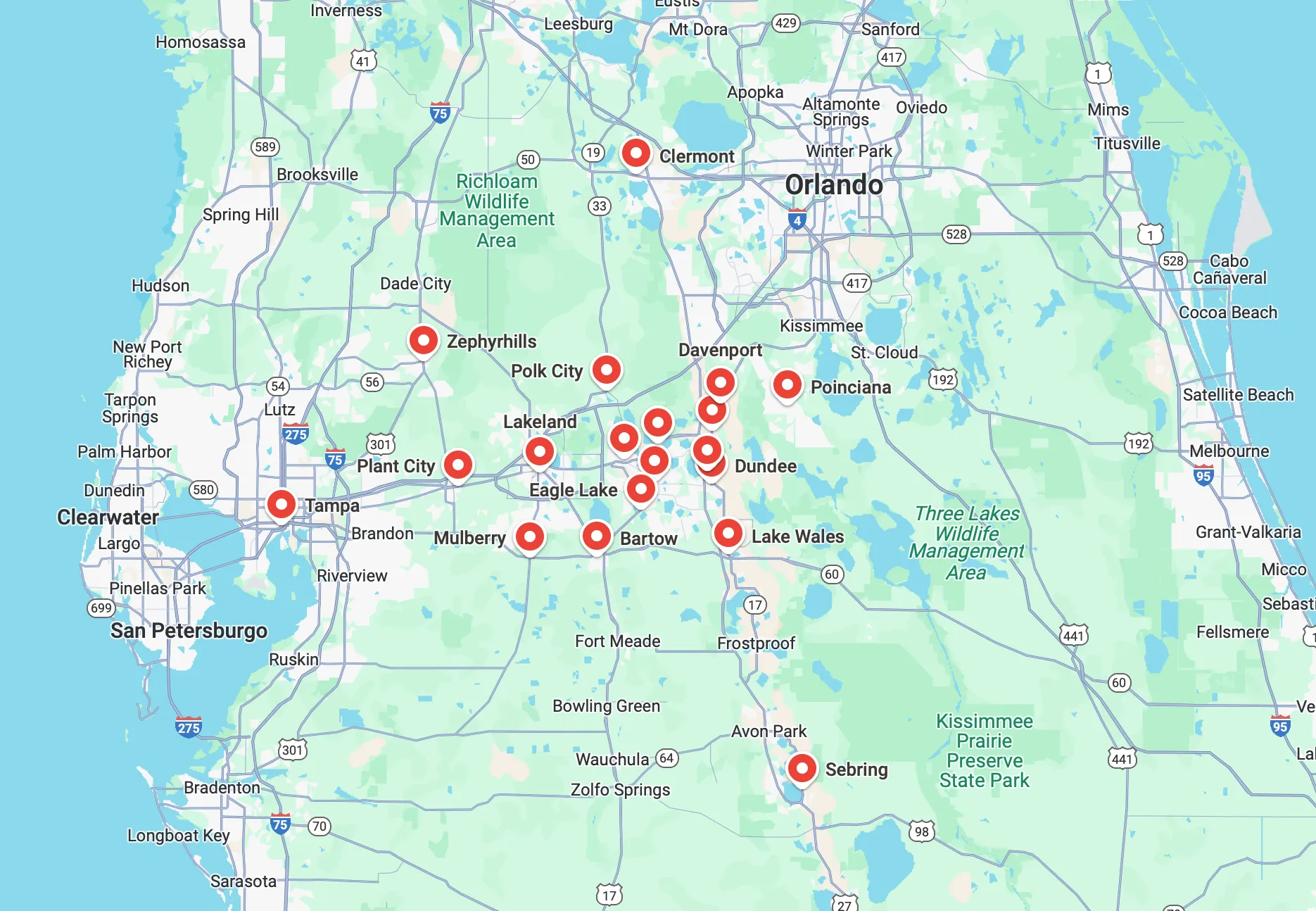
Service Areas