Heating Repair in Lake Alfred, FL
Heating Repair in Lake Alfred, FL
Keeping your home comfortable during the occasional cool snaps in Central Florida means having a reliable heating system and fast, accurate repairs when something goes wrong. Whether your heat pump won’t engage, a room stays cold, or you hear unfamiliar noises from your indoor unit, prompt heating repair in Lake Alfred, FL protects comfort, indoor air quality, and equipment longevity.
Why heating repair matters in Lake Alfred, FL
Even though winters in Lake Alfred are mild compared with northern climates, heat systems still play an important role. Local homes commonly use heat pumps, mini-splits, and occasionally gas or electric furnaces. Irregular use, humidity, and seasonal temperature swings can cause problems that, if ignored, lead to higher energy bills, frozen components in heat pumps during unusual cold snaps, or compressor damage. Timely repair restores comfort and prevents more costly system failures down the line.
Common heating systems in Lake Alfred homes
- Heat pumps - Most common in Central Florida; provide both heating and cooling year-round. Susceptible to refrigerant issues and outdoor coil icing in rare cold events.
- Mini-split ductless systems - Popular for additions and zone control; require specialized service on refrigerant lines and indoor units.
- Electric furnaces - Simpler electrically driven systems found in some homes; common electrical and thermostat failures.
- Gas furnaces - Less common but present in some properties; combustion, ignition, and venting checks are essential.
Most common heating issues in Lake Alfred and what causes them
- No heat or intermittent heating
- Tripped breakers, thermostat settings, failed compressors on heat pumps, low refrigerant, or ignition faults on furnaces.
- Uneven heating or cool spots
- Clogged filters, blocked registers, duct leaks, failing zone controls, or undersized equipment for a remodeled space.
- Strange noises
- Rattles from loose panels, squeals from worn blower belts or motors, or banging from duct expansion.
- Short cycling
- Thermostat faults, oversized equipment, refrigerant restrictions, or safety switches activated by airflow problems.
- Reduced airflow
- Dirty filters, obstructed returns, failing blower motors, or collapsed duct sections.
- Higher than normal energy use
- Worn components, poor refrigerant charge, failing sensors, or lack of regular maintenance.
- Frost or ice on outdoor heat pump
- Poor defrost function, refrigerant imbalance, or extended operation during unusual cold.
Diagnostic process for reliable heating repair
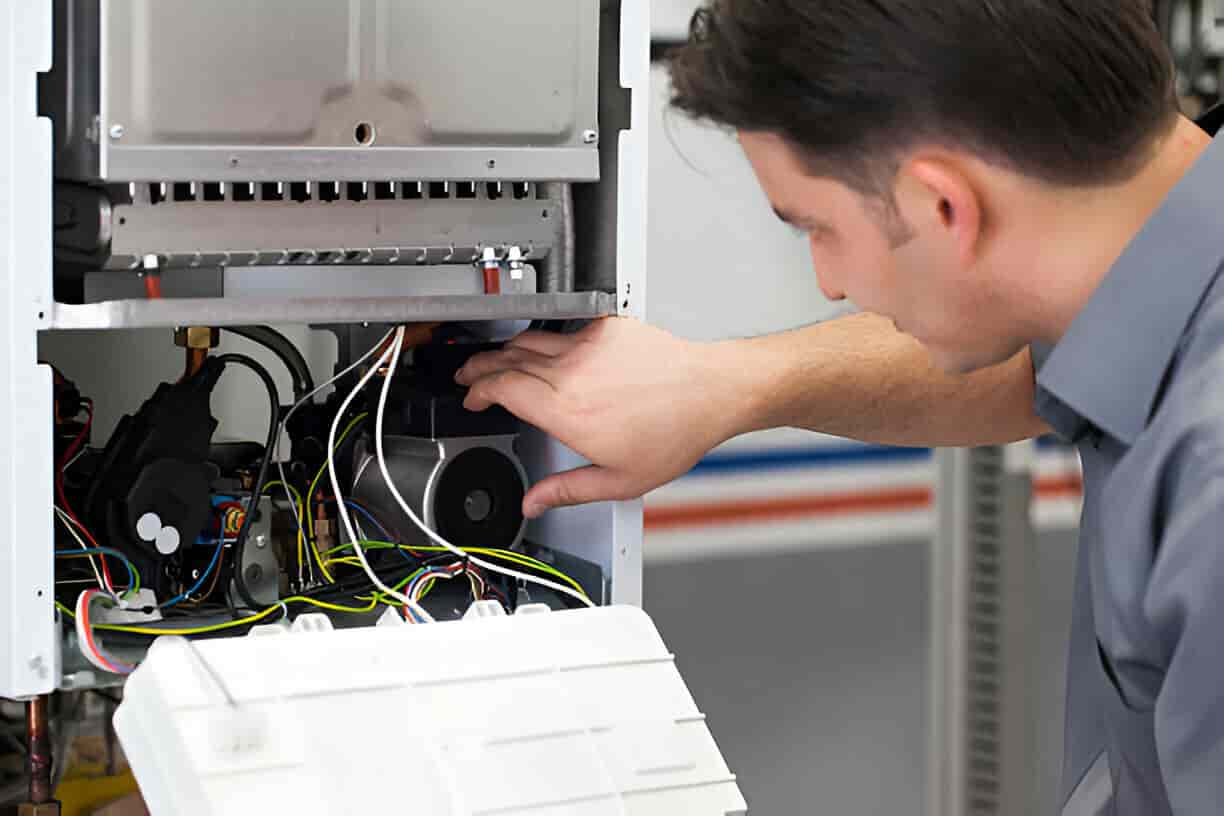
A careful diagnostic process prevents unnecessary part replacement and ensures accurate fixes. Typical diagnostic steps include:
- Safety and power check - Confirm system has power, breakers and disconnects are in place, and gas supply where applicable.
- Thermostat and control verification - Verify set points, modes, and wiring/communication.
- Visual inspection - Check filters, condensate lines, vents, outdoor unit condition, and visible components for wear.
- System operation and run tests - Start the system to observe startup behavior, listen for unusual sounds, and record error codes.
- Airflow and temperature measurements - Measure supply and return temperatures and airflow to spot blockages or performance loss.
- Refrigerant and pressure checks - For heat pumps and mini-splits, check refrigerant charge and pressures, and inspect for leaks.
- Combustion and venting checks - For gas systems, inspect burners, ignition, and venting for safety and efficiency.
- Reporting and recommended actions - Provide a clear explanation of findings and options for repair or replacement.
Repair, parts replacement, and estimate policies
- Transparent estimates - Repairs are explained with itemized scope of work including parts, labor, and time to complete. Approval is requested before starting nonemergency work.
- Parts selection - When replacement is required, technicians recommend OEM or equivalent quality parts appropriate for your system and climate. For heat pumps, correct refrigerant type and metering devices are confirmed.
- Warranty and documentation - Replaced parts and labor are documented with warranty terms so you know what is covered and for how long.
- Safety-first approach - If a component presents a safety risk, the recommendation is prioritized to protect occupants and property.
Emergency heating repair availability
Heating failures can occur outside normal hours, particularly during rare cold nights. Emergency repair availability covers diagnostic response and prioritized fixes when safety or serious home comfort issues arise. Emergency work follows the same diagnostic rigor and parts policy to ensure lasting repairs.
Technician credentials and standards
Technicians servicing heating systems in Lake Alfred should hold:
- State HVAC license where required
- NATE certification or equivalent industry credentials
- EPA 608 certification for refrigerant handling
- Ongoing manufacturer training for heat pumps and mini-splits
- Proof of insurance and background screeningThis combination ensures safe handling of refrigerants, correct diagnostics, and compliance with local codes.
Homeowner tips to identify heating problems early
- Change or check filters monthly during the heating season to maintain airflow and efficiency.
- Listen for new noises when the system starts; note when they occur and where they come from.
- Look at supply vents for weak airflow or large temperature differences between rooms.
- Check the outdoor unit for debris, vegetation, or ice during cold spells and keep the area clear.
- Monitor energy use for sudden increases which can indicate failing components.
- Inspect condensate lines and pans for overflow or mildew which signals a blockage.
- Verify thermostat settings and batteries before calling for service to rule out simple causes.
Benefits of timely heating repair in Lake Alfred
Prompt diagnosis and repair restore comfort quickly, reduce energy waste, extend equipment life, and prevent safety hazards. For Lake Alfred homeowners, addressing small issues before the brief but occasionally severe cold events helps systems perform reliably when you need them most. Regular attention to filters, airflow, and outdoor unit clearance reduces the likelihood of emergency repairs and contributes to steady, efficient operation year round.
If you notice no heat, uneven performance, strange noises, or a sudden rise in energy use in your Lake Alfred home, a thorough diagnostic and repair process tailored to local heating systems will identify the root cause and restore dependable heating performance.

Customer Testimonials

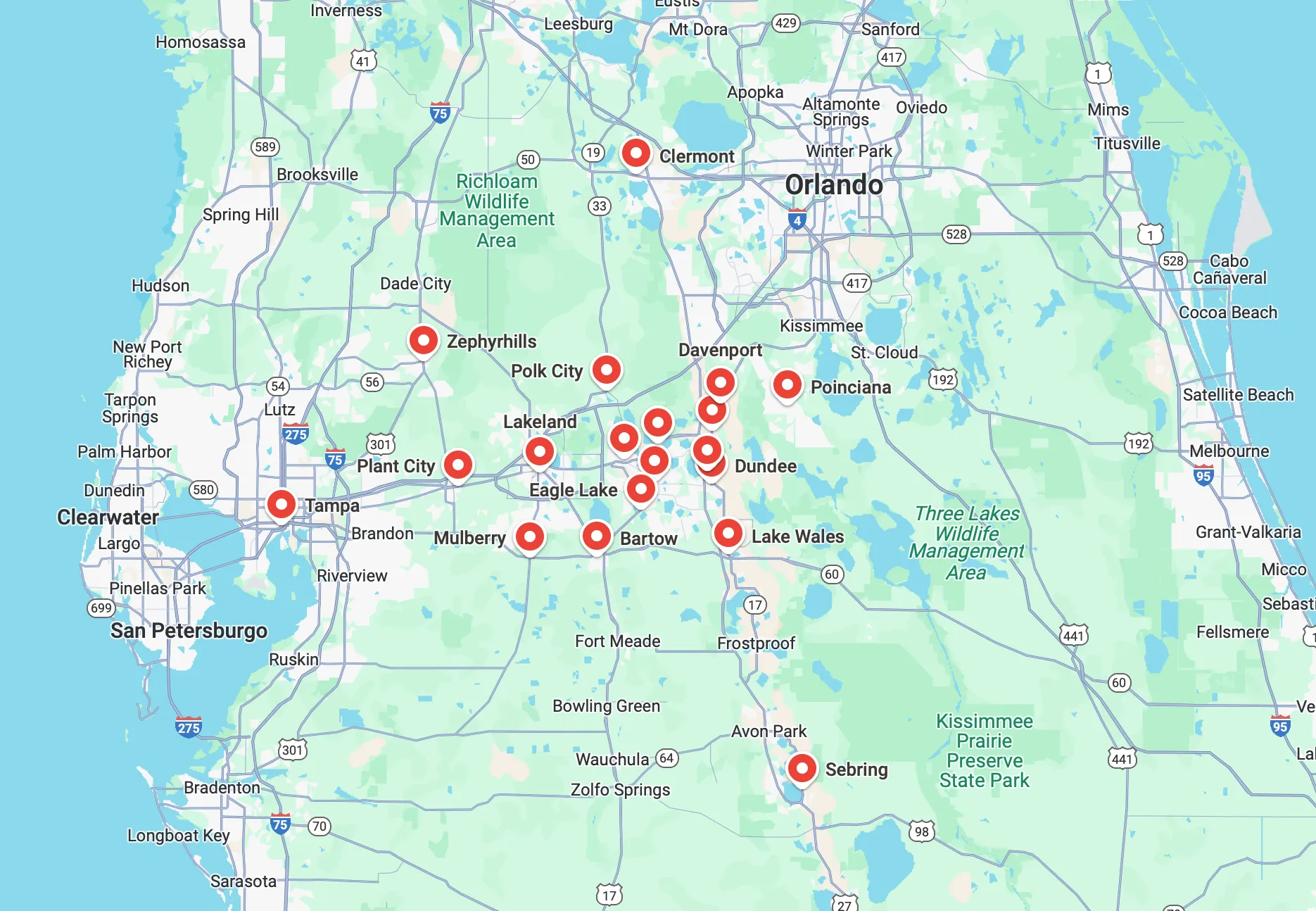
Service Areas