Heating Service in Dundee, FL
Heating Heating Service in Dundee, FL
Keeping your heating system reliable in Dundee, FL means more than just turning it on during a cold front. Whether your home uses a heat pump, a gas furnace, electric resistance heating, or a hybrid system, comprehensive heating service protects comfort, indoor air quality, and energy efficiency.
Why heating service matters in Dundee, FL
Dundee sits in Central Florida where winters are mild but occasional cold snaps, nighttime temperature drops, and high humidity make a dependable heating system important. Many local homes rely on heat pumps for both heating and cooling; these systems need different care than traditional furnaces. Neglecting seasonal maintenance can lead to reduced efficiency, increased energy costs, frozen coils during rare freezes, or premature component failure. Timely diagnostics and repairs also prevent indoor comfort and safety issues such as poor combustion, carbon monoxide risk in older gas systems, and duct-related air quality problems.
Common heating issues in Dundee, FL
- Heat pump not producing heat – Often caused by refrigerant leaks, a failed reversing valve, defective defrost control, or electrical faults.
- Short cycling or intermittent heating – Usually due to thermostat issues, electrical problems, or clogged filters.
- Insufficient heat output – Could be undersized equipment, dirty coils, blower motor issues, or obstructed ductwork.
- Strange noises or odors – Worn bearings, loose components, or electrical arcing need immediate attention.
- High energy bills – Low system efficiency from dirty components, failing compressors, or outdated controls.
- Ignition or pilot problems (gas units) – Faulty igniters or draft issues can cause safety concerns and poor heating.
- Moisture and corrosion – High humidity in Central Florida contributes to corrosion on electrical contacts and exposed components over time.
Diagnostic approach: what to expect
A thorough diagnostic begins with a visual inspection and system history review. Typical steps include:
- Thermostat and control verification – Confirm settings and control signals.
- Electrical checks – Test capacitors, contactors, fuses, and voltage to identify electrical faults.
- Refrigerant and pressure tests (for heat pumps) – Detect leaks and check system charge.
- Airflow and duct inspection – Measure blower function and evaluate duct leakage or insulation issues.
- Combustion and safety checks (for gas furnaces) – Inspect burners, heat exchangers, and venting for safe operation.
- Performance testing – Compare supply and return temperatures, and run system cycles to assess overall efficiency.
Diagnostics are explained in plain terms, the root cause is identified, and repair or replacement options are presented with expected outcomes and durability considerations.
Repairs and common solutions
Typical repair work addresses the specific failing components while preserving remaining system life when feasible. Common repairs include:
- Replacing capacitors, contactors, and relays to restore reliable starts and operation.
- Repairing refrigerant leaks and recharging systems to factory tolerances.
- Replacing failed compressors or reversing valves in heat pumps when warranted.
- Fixing or replacing blower motors and belts to restore proper airflow.
- Repairing ignition systems, replacing thermocouples, or addressing venting issues on gas units.
- Sealing and insulating ductwork, adding return paths, or balancing airflow to improve comfort.
When a repair is chosen, options often include OEM-quality replacement parts or approved equivalent components. Technicians prioritize fixes that extend service life and maintain efficiency.
Replacements and new installations
Replacement is recommended when repair costs approach or exceed expected remaining system life, or when efficiency gains justify upgrading. In Dundee homes, common replacement considerations include:
- Heat pump sizing and SEER/ HSPF ratings – Properly sized heat pumps deliver better year-round performance for Central Florida climates.
- Two-stage or variable-speed compressors – Improve comfort and humidity control compared with single-stage units.
- Modern furnace options – For homes with gas heating, newer furnaces offer higher AFUE ratings and safer combustion technology.
- Ductwork and zoning – Upgrading ducts or adding zoning controls can solve persistent comfort imbalances.
- Smart thermostats and controls – Improve efficiency and allow automated scheduling suited to local weather patterns.
Installations follow manufacturer guidelines and local code, and include system start-up, safety checks, and performance validation.
Maintenance plans tailored for Dundee, FL
Regular maintenance reduces breakdowns, improves efficiency, and extends equipment life. Typical plans include:
- Biannual tune-ups for heat pump systems (heating and cooling seasons) to address seasonal demands.
- Filter checks and replacements, and cleaning of coils and condensate drains to prevent moisture-related issues.
- Priority scheduling and discounted labor on covered repairs.
- Detailed service reports and recommended next steps after each visit.
Because humidity and pollen affect equipment in Central Florida, maintenance frequency and specific tasks are adjusted to local conditions to prevent mold growth and corrosion.
Emergency response and typical response times
Heating emergencies can occur during cold nights or when unexpected component failures leave a home without heat. Emergency service protocols include rapid diagnosis, temporary safe fixes if needed, and parts replacement planning. Response times vary by availability and proximity, but priority handling on nights with low temperatures helps mitigate risks to occupants and property.
Parts warranties and customer support
Parts warranties differ by manufacturer and part type. Common arrangements:
- Manufacturer parts warranties for compressors, heat exchangers, and major components.
- Limited labor warranties on specific repairs or installation work for a set period.
- Extended warranty options may be available through manufacturers or service plans.
Customer support includes clear documentation of work performed, explanation of warranties, and guidance on maintaining warranty validity through regular maintenance. Technicians provide straightforward explanations of what is covered and recommended follow-up.
Typical service area coverage and how to request service
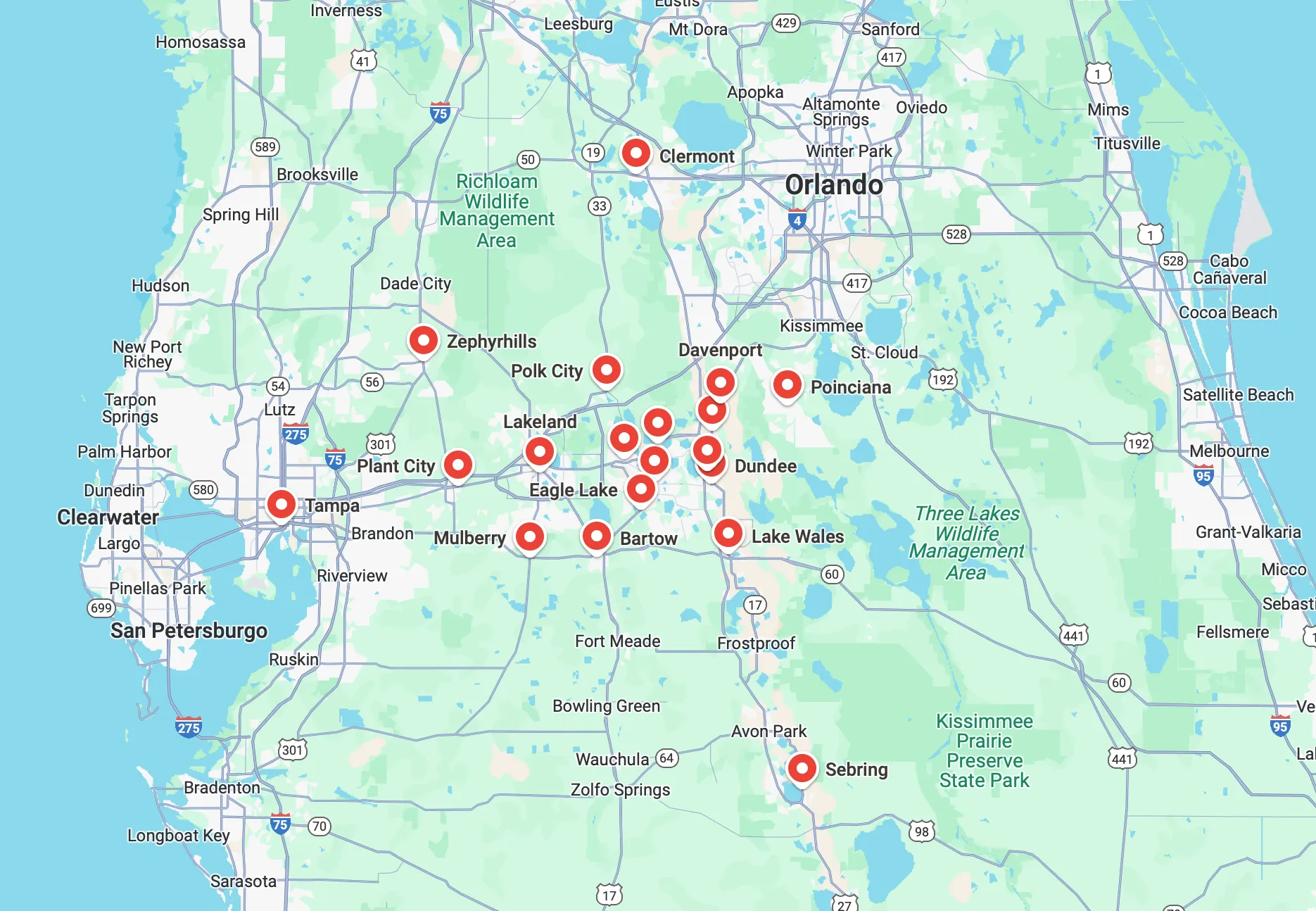
Service coverage generally includes Dundee neighborhoods and nearby communities within Polk County, including rural and lakefront properties where access and system types may vary. Technicians are prepared to work on homes, condos, and smaller commercial properties common to the area.
To request service, homeowners typically use one of these steps: submit a service request form, call a service line, or use online scheduling tools to describe symptoms, provide system make and model if known, and share preferred availability. During scheduling you can expect to be asked about recent system behavior, whether you have a heat pump or furnace, and any immediate safety concerns.

Customer Testimonials

Service Areas