Furnace Service in Dundee, FL
Heating Furnace Service in Dundee, FL
Keeping your home comfortable and safe during the cooler months in Dundee, FL starts with reliable heating furnace service. While Central Florida winters are generally mild, occasional cold fronts and overnight lows make a properly functioning furnace essential for health, comfort, and preventing frozen pipes in poorly insulated spaces.
.jpeg)
Why professional furnace service matters in Dundee, FL
- Local climate factors: Dundee sees humid subtropical weather with warm, humid summers and brief cool periods in winter. Furnaces run intermittently, which can allow small issues to develop unnoticed between seasons.
- Indoor air quality: High humidity and pollen common to Polk County can clog filters and lead to reduced airflow and indoor allergens. A well-maintained furnace improves air circulation and filtration.
- Safety and efficiency: Older or poorly maintained gas furnaces can present carbon monoxide and combustion safety risks. Regular servicing preserves efficiency, reduces energy waste, and extends equipment life.
Common furnace issues in Dundee, FL homes
- Hard starts or intermittent operation after long idle periods
- Weak or uneven heat in different rooms due to airflow or duct issues
- Frequent cycling or short cycling caused by thermostat, limit switch, or airflow problems
- Strange odors (burning dust the first run after long idle, or persistent gas/chemical smells)
- Pilot light or ignition failure on older gas systems
- Loud or new noises from the blower, motor bearings, or ductwork
- Increased energy use following prolonged lack of service
- Corrosion or rust on components from seasonal humidity
Diagnostic and inspection process
A thorough diagnostic follows a consistent, safety-first approach:
- Visual inspection of furnace cabinet, burners, heat exchanger, and venting for corrosion, cracks, or blockage.
- Check of electrical components, igniter or pilot, control board, and safety switches.
- Testing combustion (for gas furnaces) and checking for proper venting and draft to reduce carbon monoxide risk.
- Airflow assessment - filter condition, blower motor performance, and duct inspection for obstructions or leaks.
- Thermostat calibration and system run test to reproduce symptoms and confirm repairs. Technicians will document findings, explain necessary repairs in simple terms, and outline options for replacement when repair is not cost-effective.
Repairs: what is commonly fixed
- Ignition systems and pilots
- Gas valves and pressure issues
- Blower motors, belts, and bearings
- Control boards and relays
- Limit switches and safety sensors
- Duct sealing and airflow adjustments. Parts are sourced to match system age and manufacturer recommendations. When replacement parts are no longer available or repeated repairs indicate deeper issues, replacement options are evaluated with proper sizing and efficiency considerations.
Maintenance and tune-ups
Routine maintenance keeps systems reliable and efficient:
- Replace or clean filters and check filter type for the home environment
- Clean burners and combustion components
- Lubricate moving parts where applicable
- Inspect and test safety controls and heat exchanger integrity
- Check and adjust gas pressure and combustion where applicable
- Verify thermostat operation and calibration Annual tune-ups before the cooler months reduce the risk of breakdowns during cold snaps. For Dundee homes, scheduling a fall inspection ensures the furnace is ready for unpredictable cold nights.
Furnace installation and replacement guidance
Proper installation begins with a home heat load evaluation:
- Correct sizing using load calculations that consider home square footage, insulation, window efficiency, and local climate
- Matching furnace efficiency to homeowner goals for energy savings and long-term value
- Proper venting and combustion air sizing to meet local codes in Polk County
- Ductwork evaluation and modifications to ensure even heat distribution
- Permits and local code compliance for gas lines and venting are part of professional installations. A well-executed installation minimizes noise, improves efficiency, and reduces the chance of call-backs.
Parts sourcing and warranties
- OEM parts preserve equipment performance and are preferred when available
- High-quality aftermarket parts can be used when OEM parts are discontinued; technicians will explain tradeoffs
- Documentation of parts and labor helps preserve manufacturer warranties and service records
- For older equipment, documented service history supports decisions about repair versus replacement
Service agreements and preventive care
Service agreements provide predictable, scheduled maintenance without the need to remember appointments. Typical features:
- Annual or semi-annual inspections and tune-ups
- Priority scheduling windows during seasonal demand
- Discounted diagnostic fees or labor rates for covered services
- Written checklists of performed tasks to maintain home records. Agreements reduce the likelihood of emergency calls and help budget for routine care.
Technician qualifications and safety standards
Trustworthy furnace service relies on trained, certified technicians:
- Training in gas furnaces, combustion analysis, and electrical safety
- Familiarity with local codes and permitting processes
- Use of diagnostic tools for combustion testing, pressure checks, and airflow readings
- Emphasis on carbon monoxide testing and homeowner safety education. When technicians explain findings in clear language and provide options, homeowners can make informed decisions about repairs or replacement.
What to prepare when scheduling routine or emergency service calls
Have this information ready to help technicians diagnose faster:
- Furnace make, model, and age (usually on the unit nameplate)
- Description of symptoms and when they started
- Any recent service history or error codes displayed on the thermostat or control board
- Presence of carbon monoxide detectors and recent alarm events
- Access instructions or any pets to be aware of. For emergency situations involving suspected gas smell or carbon monoxide alarm activation, prioritize safety: evacuate the home, follow local emergency instructions, and alert utility services if needed.
Benefits of timely furnace service and seasonal tips
- Improved system reliability during cold nights
- Better energy efficiency and lower utility costs
- Cleaner indoor air and reduced allergens
- Extended equipment lifespan and preserved resale value. Seasonal tips for Dundee homes:
- Replace or check filters before the first cool period
- Keep vents and return grilles clear of furniture and curtains
- Verify carbon monoxide and smoke detectors are functional
- Consider duct sealing and insulation checkups to improve overall comfort
Regular, professional furnace service in Dundee, FL protects comfort, health, and the life of your heating system. Understanding common issues, what a diagnostic includes, and how installations and service agreements work helps homeowners make confident, informed decisions about maintaining or upgrading their heating equipment.

Customer Testimonials

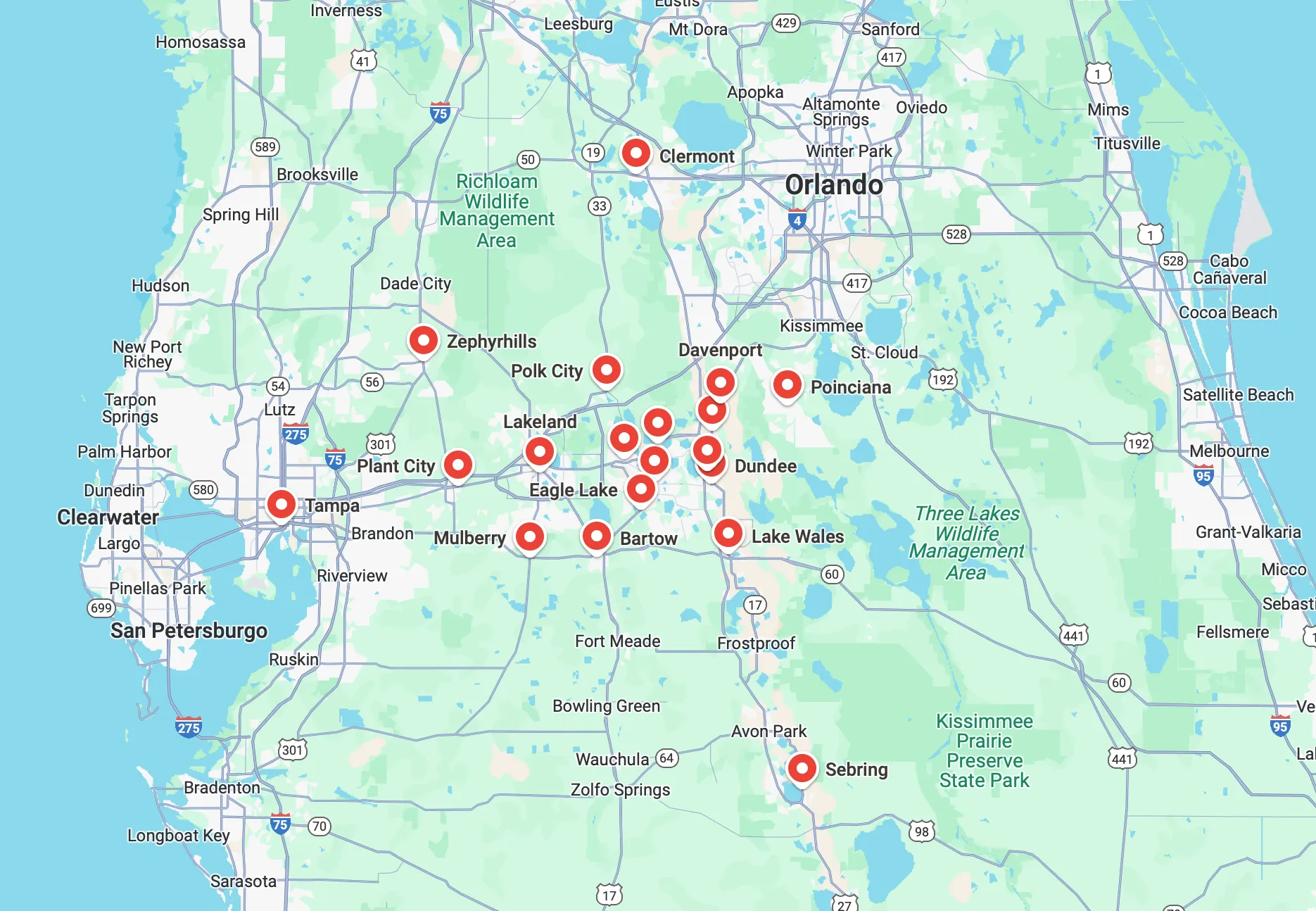
Service Areas