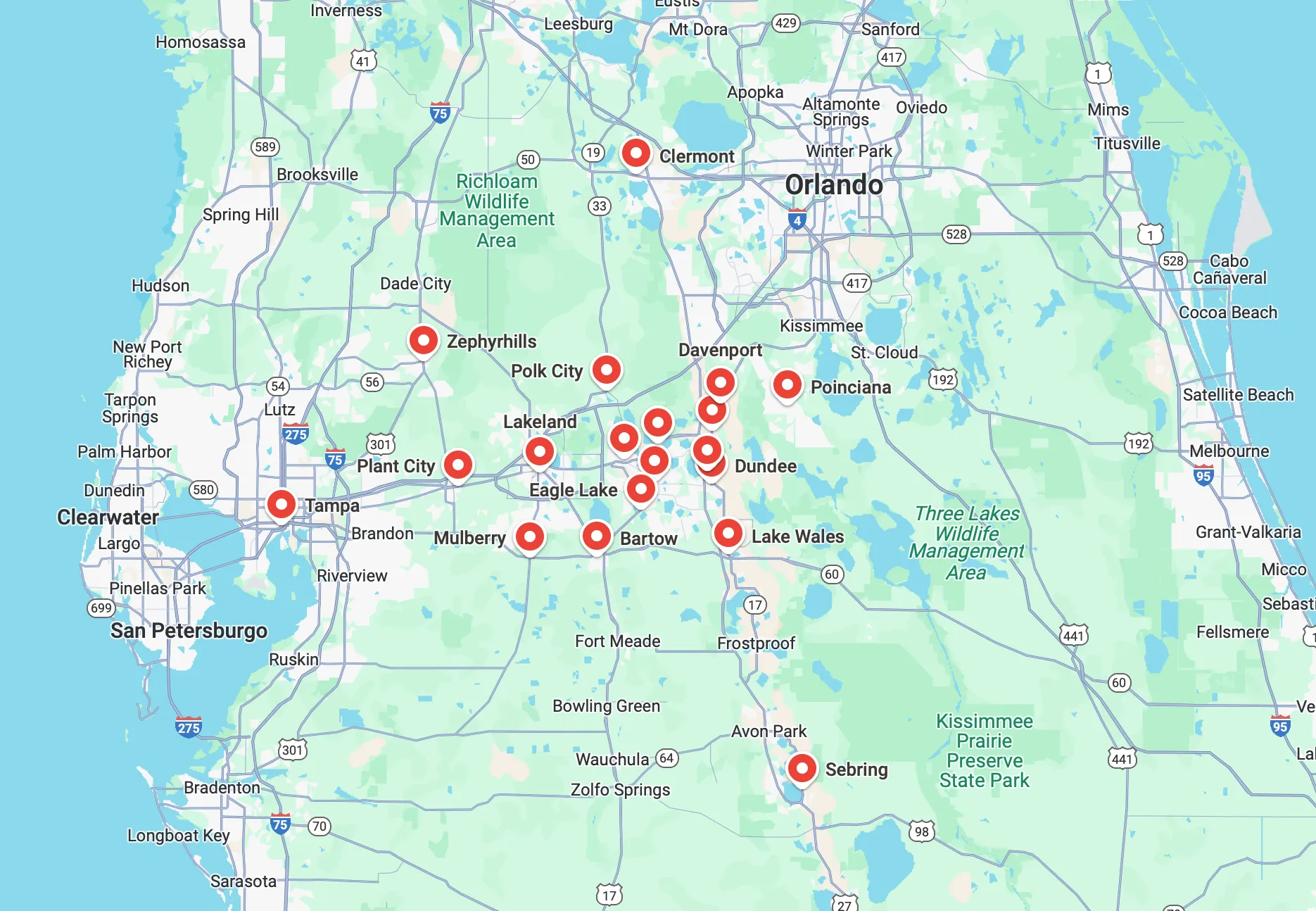
Heating Repair in Dundee, FL
Heating Repair in Dundee, FL
Winter in Dundee may be mild compared with northern states, but when overnight lows drop or cold fronts move through Polk County, a properly functioning heating system is essential for comfort and safety. Whether your home uses a heat pump, electric furnace, ductless mini split, or a packaged unit, timely, professional heating repair preserves indoor comfort, reduces energy waste, and prevents more costly failures down the line.
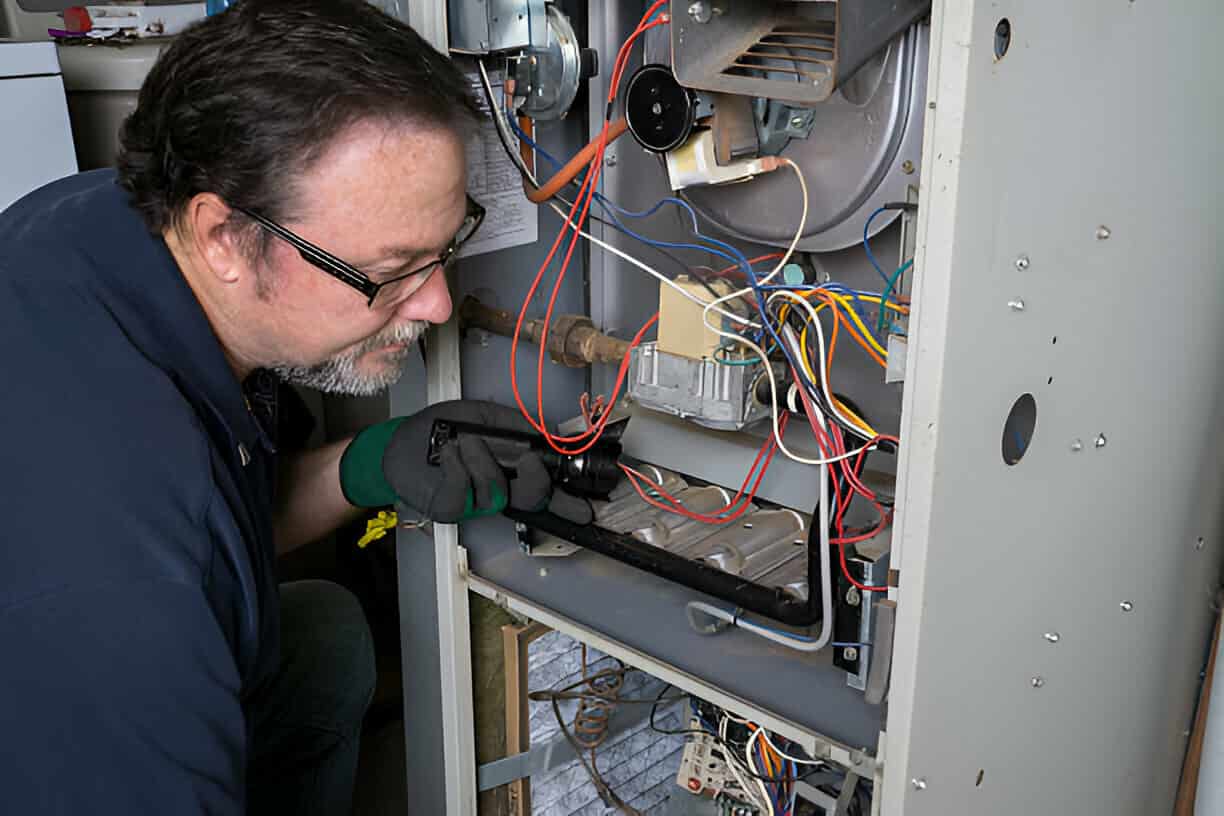
Why timely heating repair matters in Dundee, FL
- Many local systems are combined heating and cooling heat pumps that run year round, so small issues can escalate quickly.
- High humidity and frequent seasonal pollen can accelerate wear on components and clog filters and coils.
- Intermittent cold snaps place extra stress on aging equipment, increasing the chance of breakdowns.
- Early repair reduces energy bills and protects indoor air quality.
Common heating systems in Dundee homes
- Heat pumps (air source) - the most common choice in Central Florida for year-round comfort.
- Electric furnaces - used in some neighborhoods and manufactured homes.
- Ductless mini splits - popular for additions, garages, or homes without ductwork.
- Packaged units - rooftop or ground-level combined heating and cooling equipment.
- Gas furnaces - less common but present in a subset of homes.
Most common heating problems in Dundee and typical fixes
- No heat at all
- Causes: thermostat settings, tripped breakers, failed ignitor or pilot, compressor or reversing valve failure on heat pumps.
- Fixes: thermostat recalibration or replacement, electrical repairs, ignitor or control board replacement, heat pump component repair.
- Weak or inconsistent heat
- Causes: dirty filters, blocked vents, low refrigerant, failing blower motor.
- Fixes: filter and duct cleaning, refrigerant leak repair and recharge, blower motor service.
- Short cycling (turns on and off rapidly)
- Causes: oversized equipment, defective thermostat, overheating due to restricted airflow, low refrigerant.
- Fixes: thermostat replacement, airflow restoration, refrigerant diagnostics.
- Strange noises or odors
- Causes: failing bearings, loose panels, electrical arcing, mold in ductwork.
- Fixes: motor or blower repair, panel tightening, electrical safety checks, duct cleaning.
- Frozen coils on heat pumps
- Causes: low refrigerant, poor airflow, faulty defrost control.
- Fixes: restore airflow, refrigerant repair, defrost control replacement.
- Carbon monoxide concerns (for gas systems)
- Causes: cracked heat exchanger, improper venting.
- Fixes: immediate inspection, heat exchanger assessment, safe venting repairs, follow local safety protocols.
Diagnostic approach technicians use
Technicians follow a systematic process to identify the root cause rather than just treating symptoms:
- Customer intake and symptom review - confirm thermostat settings, when the issue started, and recent service history.
- Visual inspection - check filters, outdoor unit, vents, condensate lines, and control wiring.
- Electrical and safety checks - inspect breakers, fuses, wiring, and safety switches.
- Component testing - measure voltage, test capacitors, motors, ignitors, pilot assemblies, and control boards.
- System performance checks - verify airflow, temperature splits, refrigerant pressures on heat pumps, and burner operation on gas systems.
- Diagnostic reporting - explain findings, outline options (repair versus replacement of specific components), and list expected time to complete repairs.
Diagnostics are performed with the intent of making a lasting repair that restores safe, efficient operation.
Typical repairs and parts that are often replaced
- Electrical components: capacitors, contactors, relays, control boards.
- Motors and moving parts: blower motors, fans, belt replacements.
- Heat generation parts: ignitors, burners, gas valves, heat exchangers (inspection first).
- Refrigeration components: compressors, reversing valves, refrigerant lines, and metering devices.
- Comfort controls: thermostats and control modules.
- Ancillary items: filters, condensate pumps, ductwork patches, flue or venting repairs.
Technicians prioritize repairs that restore efficiency and safety, and they will clearly explain when part replacement is needed due to age or failure.
Expected repair timelines and cost factors
- Diagnostic time: typically 30 minutes to 90 minutes depending on system access and symptoms.
- Simple repairs: such as filter, thermostat, or minor electrical fixes, can often be completed the same day.
- Component replacements: blower motors, capacitors, or ignitors usually require a few hours on site.
- Major repairs: compressor or heat exchanger work may take longer, especially if parts must be ordered.
- Complex cases: like extensive ductwork or aging systems, may require multiple visits for full restoration.
Repair duration depends on parts availability, system type, and whether additional safety inspections are needed. Cost variability is driven by the part replaced, labor required, extent of diagnostic work, equipment age, and whether refrigerant recovery or gas line work is involved. Technicians should provide a clear explanation of options and the durability you can expect from each repair choice.
Emergency heating repair options and safety protocol
- Emergency visits are often available for situations that pose immediate comfort or safety concerns, such as complete heating loss during a cold snap or suspected carbon monoxide leaks.
- Emergency procedures include initial triage over the phone, prioritized dispatching, and on-site safety isolation if a gas or electrical hazard is found.
- In Dundee, common emergency scenarios include heat pump compressor failure during a cold front or storm-related damage after severe weather.
- Technicians follow safety-first protocols: turn off unsafe equipment, ventilate as needed, and secure the home before performing repairs.
Technician credentials and what to expect in Dundee
- Look for technicians who are Florida state-licensed HVAC contractors, with insurance and bonding.
- EPA Section 608 certification is required for refrigerant handling on heat pumps and air conditioning equipment.
- Additional credentials to expect: NATE certification, manufacturer training on major brands, and continuing education in diagnostics and safety.
- Technicians should be background-checked, carry proper identification, and provide a written explanation of findings and recommended repairs before beginning work.
Maintenance advice to reduce future repairs
- Replace or clean filters regularly, especially during pollen season.
- Schedule annual or biannual inspections timed before winter and before the heavy cooling season.
- Keep outdoor units free of debris and vegetation to maintain airflow.
- Ensure ducts and vents are unobstructed and periodically inspected for leaks.
- Install a programmable or smart thermostat for better control and to reduce cycling.

Customer Testimonials

Service Areas