Heating Repair in Winter Haven, FL
Heating Heating Repair in Winter Haven, FL
Keeping your home comfortable during Central Florida’s cooler months means having a reliable heating system. Whether you have a heat pump, furnace, or boiler, timely and accurate repairs prevent discomfort, higher energy bills, and premature equipment failure.
Why heating repair matters in Winter Haven, FL
Winter Haven experiences mild winters but can have sudden cold snaps and overnight lows that stress systems not used heavily year-round. Many homes rely on heat pumps for both heating and cooling, making seasonal maintenance critical. Because heating is often seasonal in Central Florida, issues can go unnoticed until needed, creating a higher risk of urgent repairs when temperatures drop. Understanding common symptoms and repair paths helps homeowners avoid emergency situations and extend equipment life.
Common heating repair issues in Winter Haven
- Heat pump not producing warm air: Often caused by refrigerant leaks, faulty reversing valves, or failed compressors.
- Short cycling: System turns on and off rapidly, indicating thermostat faults, airflow restriction, or improper refrigerant charge.
- No heat at all: Could be electrical problems, failed motors, control board issues, or ignition failures in furnaces and boilers.
- Uneven heating or weak airflow: Clogged filters, blocked ducts, failing blower motors, or frozen evaporator coils.
- Strange noises or odors: Rattling, banging, or burning smells can indicate loose components, failing bearings, or electrical issues.
- High energy bills during heating periods: Sign of reduced efficiency from dirty components, failing sensors, or refrigerant loss.
- Leaks and corrosion: In boilers or hydronic systems, pipe leaks, pressure loss, and rust require immediate attention.
Diagnostic workflow - how problems are pinpointed
A consistent, documented diagnostic process is essential for accurate, trustworthy repairs. Typical steps include:
- Initial symptom intake: Gather details on what the homeowner observes, when the issue started, and any recent maintenance history.
- Visual and safety check: Inspect electrical connections, gas lines (if applicable), combustion components, and visible signs of leaks or damage.
- System operational tests: Run the system to reproduce symptoms, monitor thermostat response, and check airflow and temperature differentials.
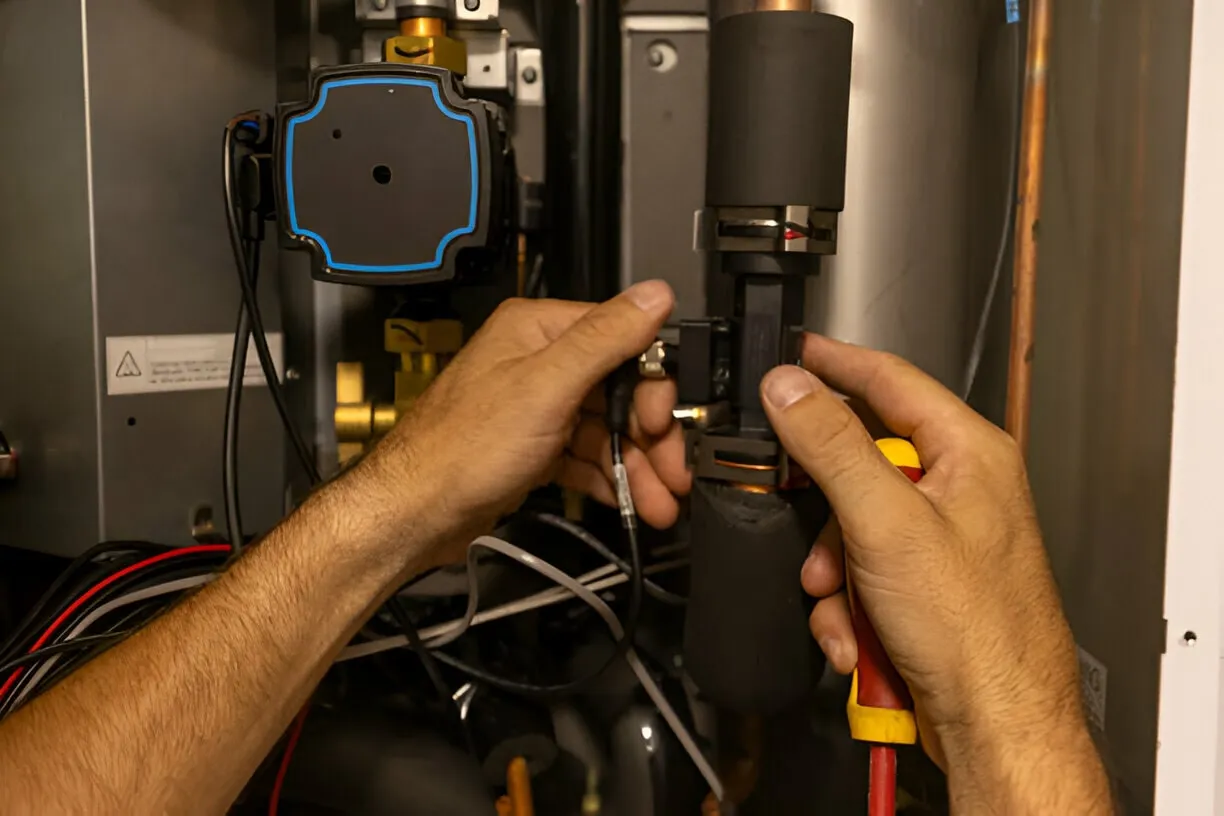
- Component-level diagnostics: Use multimeters, pressure gauges, and refrigerant gauges to test compressors, capacitors, contactors, limit switches, and control boards.
- Duct and airflow assessment: Inspect filters, vents, and ductwork for restrictions and measure static pressure when needed.
- Diagnosis review and options: Present findings with clear explanations of root causes, repair options, and expected outcomes.
This structured approach reduces guesswork and helps prioritize safety, especially for gas or electrical faults.
Typical on-site repair procedures
On-site repairs are performed following the diagnostic findings and usually involve:
- Cleaning and adjustments: Replacing filters, cleaning coils, adjusting thermostats, and tightening electrical connections to restore basic function.
- Component repair or replacement: Swapping out capacitors, contactors, motors, igniters, burners, valves, or control boards as identified.
- Refrigerant service: Locating and repairing leaks, evacuating and recharging refrigerant systems to manufacturer specifications.
- Duct repairs and sealing: Fixing disconnected or leaking ducts, adding insulation, and clearing obstructions to improve airflow.
- Safety verification: Testing pressure switches, flame sensors, and carbon monoxide indicators for gas systems, and confirming proper operation after repairs.
Technicians document work performed, safety checks completed, and any follow-up recommendations.
Parts replacement and quality considerations
Common replacement parts for heating systems include:
- Compressors and reversing valves (heat pumps)
- Capacitors and contactors
- Blower motors and belts
- Igniters, burners, and flame sensors (furnaces/boilers)
- Control boards and thermostats
- Refrigerant lines and fittings
Choosing OEM or high-quality aftermarket parts affects longevity and warranty coverage. For homes in Winter Haven, where heat pumps dominate, attention to corrosion-resistant components and proper refrigerant handling is especially important due to humidity and seasonal use.
Service warranties and guarantees
Repairs typically come with two types of protection:
- Labor warranty: A limited guarantee on workmanship for a defined period after repair, covering rework if the same issue reoccurs due to the repair performed.
- Parts warranty: Manufacturer or supplier warranties that cover replaced components under their specific terms.
Expect clear documentation of warranty durations and any exclusions. For gas-fired equipment, safety-related exclusions commonly apply. Always ask for written warranty terms and keep repair records for future service or warranty claims.
Emergency heating repair options in Winter Haven
Because heating demand can spike unexpectedly during cold nights, emergency callouts are often available for:
- No heat situations overnight or during extreme weather events
- Gas leaks or suspected carbon monoxide issues
- Complete system failures that risk property damage (frozen pipes, for example)
Emergency responses prioritize safety checks, temporary measures to restore heat, and scheduling full repairs if parts are required. In Winter Haven, crews are accustomed to rapid response during brief cold snaps when many systems are brought into service at once.
Expected repair timelines and cost guidance
- Most diagnostics and minor repairs (filters, sensors, capacitors) are completed the same visit, usually within a few hours.
- Component replacements that require ordered parts or additional testing can extend repairs to several days.
- Complex jobs like compressor replacements or major ductwork repairs may require coordinated scheduling and could take a few days to complete.
Instead of specific pricing, consider these cost factors when planning:
- Age and accessibility of the equipment
- Type of system (heat pump, furnace, boiler)
- Parts availability and need for specialty refrigerants
- Extent of duct or structural work required
- Whether emergency or after-hours service is needed
Understanding these factors helps set expectations for budgeting and scheduling.
Preventive advice and long-term benefits
Regular maintenance before the heating season reduces emergency repairs and improves efficiency. For Winter Haven homes:
- Schedule annual tune-ups, ideally before cooler months begin
- Replace filters regularly and keep outdoor heat pump coils clear of debris
- Seal attic and duct leaks to prevent heat loss and reduce cycling
- Monitor for unusual sounds or odors and address them early
Timely repairs and routine care extend equipment life, improve comfort during cold snaps, and help avoid costly emergency replacements.

Customer Testimonials

Service Areas