Heating Maintenance in Winter Haven, FL
Heating Heating Maintenance in Winter Haven, FL
Keeping your heating system tuned and reliable in Winter Haven, FL matters even though winters are mild. Periodic maintenance prevents unexpected cold snaps from becoming uncomfortable, reduces energy waste, protects sensitive components that struggle in humid conditions, and addresses safety concerns like combustion or electrical faults.
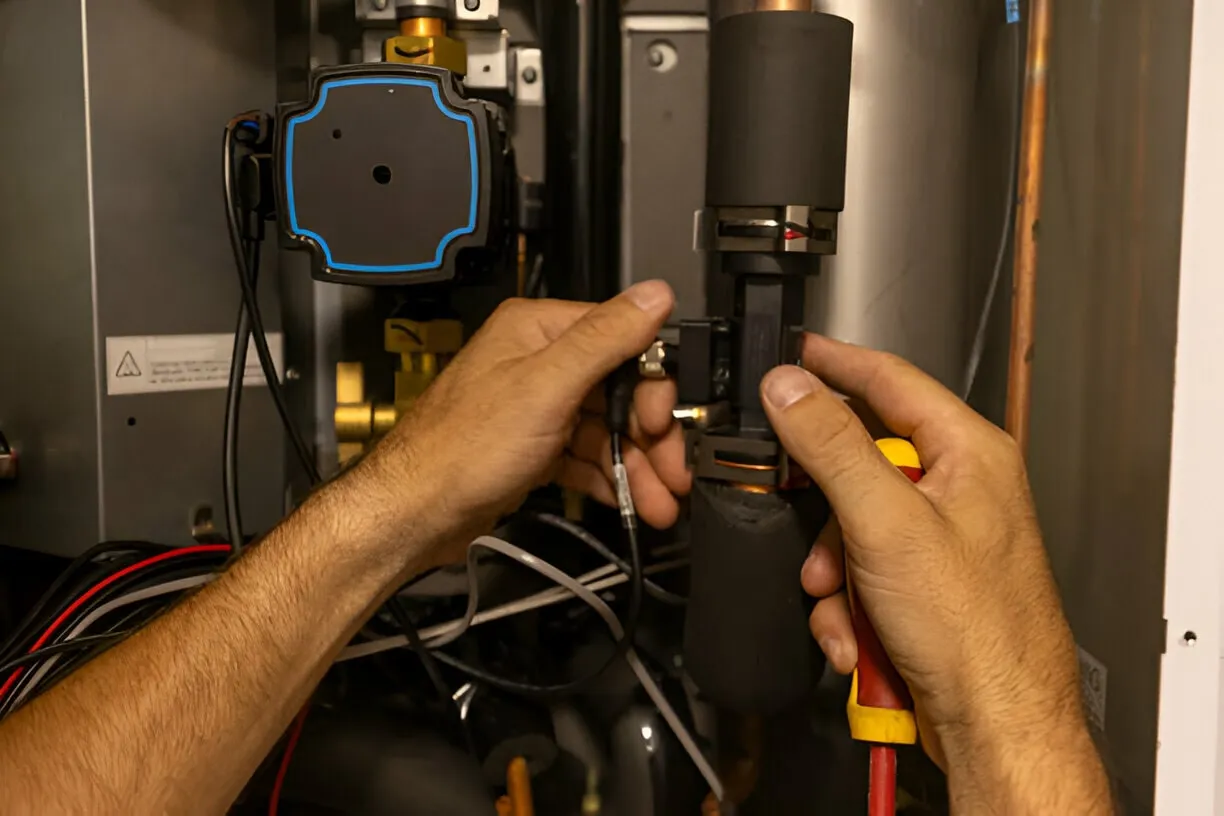
Common heating systems in Winter Haven homes
- Heat pumps (air source) - the most common option because they provide both heating and cooling efficiently.
- Mini-split ductless systems - popular for room-by-room control and efficiency.
- Packaged units - combined heating and cooling equipment often found on roofs or in compact mechanical spaces.
- Electric furnaces and electric heat strips - used as auxiliary heat in some split systems.
- Natural gas furnaces - less common but present in some homes and older properties.
Understanding the type of system informs the maintenance tasks and frequency. Heat pumps require attention to both refrigeration components and airflow, while electric systems focus more on electrical connections and resistive elements.
Common heating maintenance issues in Winter Haven, FL
- Dirty or clogged filters reducing airflow and forcing the system to run longer.
- Refrigerant leaks or low refrigerant charge in heat pumps, which reduce heating capacity.
- Corrosion and accelerated coil fouling due to high humidity and airborne salts or pollutants.
- Worn belts and bearings in blower assemblies causing noise and reduced airflow.
- Failed capacitors, relays, or motors from electrical stress or age.
- Thermostat miscalibration leading to temperature swings and short cycling.
- Blocked condensate drains or pans causing overflow and water damage.
- Duct leakage and poor insulation reducing delivered heat and comfort.
- Safety risks on combustion systems: improper venting, cracked heat exchangers, and carbon monoxide risk.
Addressing these problems before they escalate lowers the likelihood of breakdowns during cold snaps and helps systems run more efficiently in variable Florida winters.
Scheduled heating maintenance tasks
Scheduled heating maintenance typically includes a comprehensive checklist to identify and correct small problems before they become major repairs. Standard tasks include:
- Visual inspection of all components, cabinet, and outdoor unit condition.
- Cleaning and vacuuming coils, blower assembly, and accessible duct openings.
- Checking and replacing air filters and belts as needed.
- Lubricating motors and moving parts where applicable.
- Tightening electrical connections and testing capacitors and contactors.
- Verifying thermostat calibration and control sequences.
- Measuring operating pressures and temperatures for refrigerant systems.
- Checking refrigerant charge and inspecting for leaks.
- Testing safety controls and performing combustion analysis for gas systems when present.
- Clearing and testing condensate drains and pans.
- Inspecting ductwork for disconnections, leaks, and insulation gaps.
- Running a performance optimization routine - measuring airflow, temperature split, and overall system COP (coefficient of performance) where appropriate.
- Providing a documented inspection report with findings, recommended repairs, and maintenance history.
In Winter Haven, specific attention is given to coil and condensate care because humid air accelerates coil buildup and clogging of drains.
Diagnostic process - what technicians check and why
A methodical diagnostic approach isolates root causes quickly:
- Initial visual and operational check - observe startup sequence and listen for abnormal sounds.
- Electrical test - measure voltage, amperage, and continuity to identify stressed components.
- Airflow assessment - measure supply and return air temperatures and static pressure to detect blockages.
- Refrigerant system testing - check pressures, superheat/subcooling, and look for leaks with approved detectors.
- Safety and combustion inspection - for gas systems, analyze flue, venting, and flame quality and test for carbon monoxide.
- Performance verification - confirm the system reaches expected temperature differentials and runtime patterns.
- Documentation - record readings and recommendations for future comparison.
This structured process reduces guesswork and ensures maintenance actions target the true problem.
Benefits of regular maintenance and service contracts
- Improved energy efficiency and lower utility costs by keeping components clean and tuned.
- Increased system reliability and fewer emergency repairs during peak usage.
- Extended equipment lifespan through early detection and correction of wear.
- Better comfort and more consistent temperatures throughout the home.
- Safety assurance through regular testing of combustion and electrical systems.
- Warranty compliance for many manufacturers, which often requires documented annual maintenance.
- Predictable maintenance budgeting through service contract options.
Service contracts commonly offered for Winter Haven homes include single annual tune-ups, biannual plans that combine pre-season cooling and heating checks, and multi-year plans that include priority scheduling, seasonal reminders, and discounted repair labor or parts. Contracts also typically include written reports that create a maintenance record useful for resale value and warranty claims.
What to expect during a maintenance visit
- Appointment length: 60 to 90 minutes for a full tune-up on most residential systems.
- Walk-through: technician performs a checklist, tests system operation, replaces basic consumables like filters if included by the plan, and notes any repair recommendations.
- Documentation: a service report details findings, measured values, and suggested follow-up work.
- Transparency: components that require replacement or repair are described with expected implications for performance and safety.
Because Winter Haven experiences high humidity, technicians often spend extra time on coil cleaning and condensate system checks to prevent recurring issues.
Homeowner tips to maximize maintenance value
- Schedule maintenance before the season you expect to use heating most - in Winter Haven that is often late fall to early winter.
- Change or inspect filters monthly during heavy use months.
- Keep outdoor units clear of foliage and debris to maintain airflow.
- Use programmable thermostats to reduce unnecessary runtime and to track irregular cycling.
- Seal and insulate ducts and check attic access points to reduce heat loss and improve comfort.
- Keep records of maintenance visits and measured values to track system health over time.

Customer Testimonials

Service Areas