Furnace Installation in Winter Haven, FL
Heating Furnace Installation in Winter Haven, FL
Installing a new heating furnace in Winter Haven, FL requires more than swapping equipment. Even though winters are mild, properly sized and installed heating systems improve comfort during cool months, reduce energy waste, and protect indoor air quality in humid Central Florida homes.
-min%2520(1).webp)
Common furnace installation scenarios in Winter Haven, FL
- Replacement of an aging furnace that is inefficient or unreliable
- Converting to a different fuel type - gas, propane, or electric - where supply and venting allow
- Upgrading to a high-efficiency furnace to reduce energy use during cooler months
- Installing a gas furnace where current systems are electric, or creating a hybrid heating system paired with a heat pump
- Addressing ductwork problems uncovered during furnace replacement, such as leaks, poor insulation, or inadequate return air
Because Winter Haven has generally mild winters, sizing and efficiency are especially important. Oversized systems cycle frequently, which reduces comfort and increases wear. Proper installation tailored to local conditions avoids common pitfalls.
Home assessment and load calculations
A reliable furnace installation begins with a detailed home assessment. Technicians perform a load calculation - commonly a Manual J - to determine the correct furnace capacity for your home. The assessment includes:
- Square footage, number of stories, ceiling heights, and room-by-room layout
- Construction details such as insulation levels, window types, and thermal gains from sun exposure
- Local climate factors like typical low temperatures and humidity effects in Winter Haven
- Existing ductwork condition and location of fuel lines or electrical panels
Accurate load calculation prevents oversizing and ensures even heating across your home. In Winter Haven, calculations typically reflect lower peak heating needs than northern climates but still account for occasional cold fronts.
Equipment selection: types and efficiency
Choosing the right furnace and features depends on fuel availability, efficiency goals, and installation constraints. Key considerations:
- Fuel type: natural gas (where available), propane, or electric. Gas and propane furnaces offer higher heat output; electric options are simpler but can be more costly to operate depending on rates.
- Efficiency rating: AFUE (Annual Fuel Utilization Efficiency). Higher AFUE means lower fuel use. In Winter Haven, selecting an efficient model helps offset energy costs during the cooler months without overspending on unnecessary high-capacity equipment.
- Modulating vs single-stage: modulating and multi-stage furnaces adjust output for better comfort and efficiency, reducing short cycling in mild climates.
- Compatibility with thermostats and zoning: modern thermostats and zoning systems improve comfort by controlling temperatures in different areas of the home.
Equipment choice also factors in serviceability and warranty terms, which influence long-term ownership cost.
Ductwork and venting considerations
Proper ductwork and venting are crucial for performance and safety.
- Duct evaluation: check for leaks, poor insulation, undersized supply or return ducts, and routing issues that cause uneven heating. Winter Haven homes exposed to high humidity benefit from sealed and insulated ducts to limit condensation and energy loss.
- Static pressure and airflow: correct blower sizing and duct configuration ensure the designed airflow and proper temperature rise across the furnace.
- Venting and combustion air: gas and propane furnaces require safe flue venting and adequate combustion air. Venting materials, clearances, and termination locations must meet local codes and manufacturer requirements.
- Condensate handling: high-efficiency furnaces produce condensate that must be drained properly to avoid moisture problems in warm, humid climates.
If ductwork needs repair or upgrading, installers include that work in the project scope so the furnace operates as intended.
Permitting and safety inspections
Furnace installation in Winter Haven typically requires local permits and inspections to ensure compliance with building codes and safety standards.
- Permit application and documentation for the chosen furnace, duct modifications, and fuel or electrical work
- Inspections for combustion safety, venting, carbon monoxide provisions, and proper gas/electrical connections
- Certification of completed work after final inspection
Inspections protect occupants by verifying safe operation and code compliance. Installers should coordinate permit submissions and inspections with local authorities.
Step-by-step installation procedures
- Pre-installation: schedule site visit, confirm load calculation, finalize equipment selection, and obtain permits.
- Preparation: disconnect and remove the old furnace safely; cap fuel lines or electrical feeds as needed.
- Positioning: set and secure the new furnace on a proper pad or platform; ensure clearance and access for service.
- Fuel and electrical connections: connect gas or propane lines and electrical wiring per code and manufacturer specs.
- Venting and combustion air: install flue, chimney connection, or direct vent; verify clearances and termination location.
- Ductwork adjustments: connect supply and return plenum, seal joints, and insulate where required.
- Controls and thermostat integration: install or reprogram thermostats; wire safety and control circuits.
- Final checks and cleanup: secure panels, verify labels, and remove debris.
Installers follow manufacturer procedures and local code requirements at every step to maintain warranty validity and ensure safe operation.
Startup and performance testing
After installation, a comprehensive startup and testing sequence confirms the system’s performance:
- Initial startup and safety interlock verification
- Airflow and static pressure measurements to confirm duct compatibility
- Temperature rise check across the heat exchanger to ensure proper output
- Combustion analysis for gas/propane furnaces to verify fuel efficiency and emissions
- Carbon monoxide testing and venting performance verification
- Thermostat calibration and system run cycles to confirm steady operation
A documented startup report is useful for warranty records and future maintenance.
Customer care, warranties, and maintenance advice
Furnace installations typically include manufacturer warranties on the equipment and a separate labor warranty from the installer. Important points:
- Register manufacturer warranties promptly and retain installation documentation and startup reports
- Follow recommended maintenance: at minimum annual inspection and tune-up before the cooler season, filter changes every 1-3 months depending on usage, and duct inspections every few years
- Address moisture and indoor air quality concerns common in Winter Haven by ensuring proper ventilation, humidification control if needed, and duct sealing
Regular maintenance preserves efficiency, extends equipment life, and safeguards warranty coverage.

Customer Testimonials

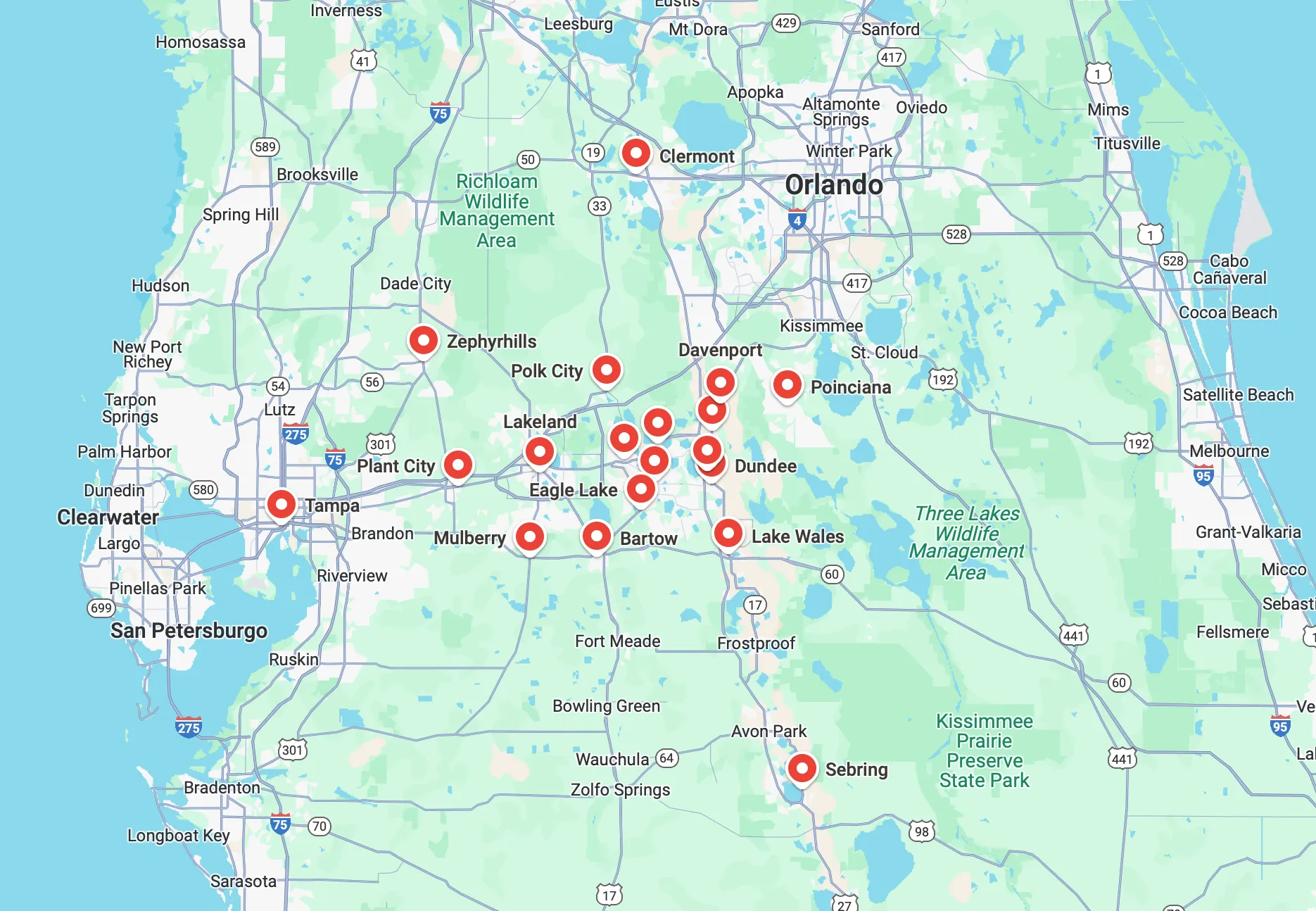
Service Areas