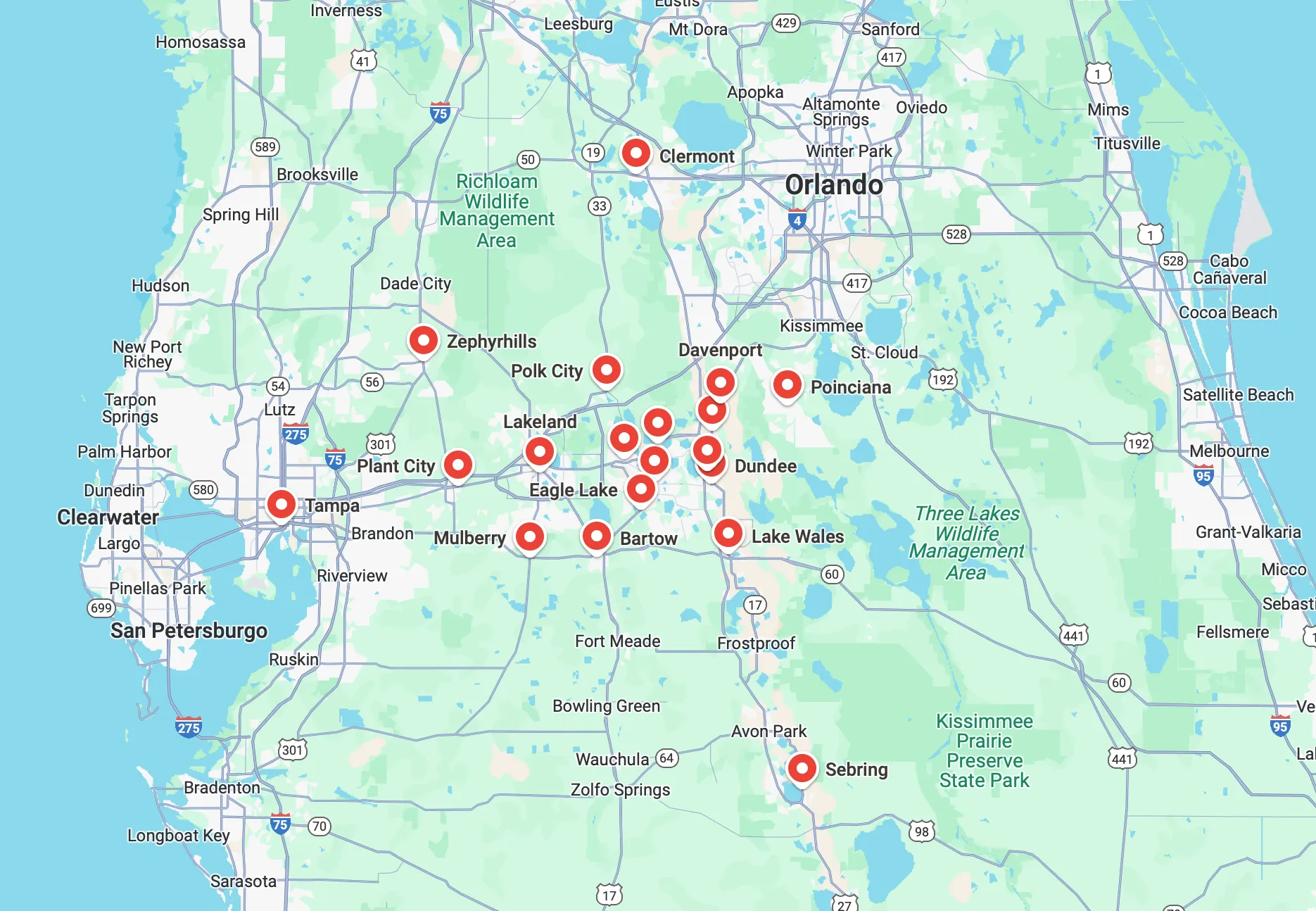
Heating Repair in Eagle Lake, FL
Heating Heating Repair in Eagle Lake, FL
Winter in Eagle Lake may be short and mild compared with northern states, but when your heating system fails you still need fast, reliable repairs to keep your home comfortable and protected. Whether you have a heat pump, furnace, or boiler.
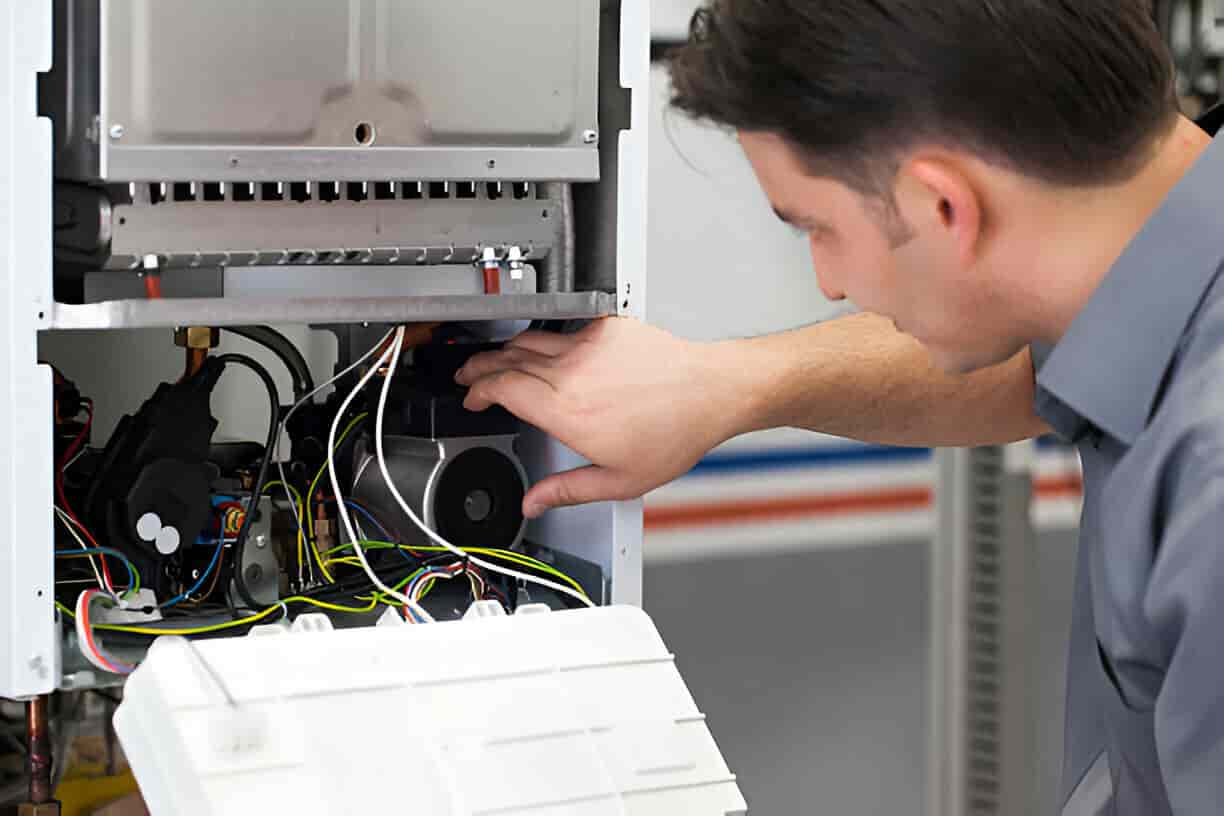
Why timely heating repair matters in Eagle Lake, FL
- Even brief cold snaps in central Florida can lead to frozen pipes or uncomfortable indoor temperatures for occupants sensitive to cold.
- Heat pumps are the most common heating equipment in the area; small issues quickly reduce efficiency and drive up energy use during the cooler months.
- Moisture and seasonal humidity in Polk County can accelerate corrosion and clog drain lines, causing system failures if left unaddressed.
Common heating system symptoms in Eagle Lake homes
Look for these signs that your heating system needs professional repair:
- Inadequate heat or uneven temperatures between rooms
- Heat pump blowing cool air during heating cycles
- Frequent short cycling on and off
- Strange noises: grinding, rattling, or popping
- Increased energy bills with no change in usage
- Foul or musty odors when the system runs
- Visible leaks around boilers or furnace condensate lines
- Thermostat not responding or inaccurate temperature readings
Typical types of heating systems we see and their common issues
- Heat pumps: refrigerant leaks, failing compressors, reversing valve problems, faulty defrost control, frozen outdoor coils
- Furnaces: failed igniters or pilot assemblies, cracked heat exchangers, worn belts, blower motor failure
- Boilers: pressure loss, corroded valves, circulator pump failure, sediment buildup affecting heat transfer
Diagnostic approach: what a technician will check
A consistent, step-by-step diagnostic process helps identify root causes efficiently:
- Visual inspection of indoor and outdoor units for leaks, corrosion, and obstructions
- Thermostat verification and control-board diagnostics
- Airflow assessment: filter condition, blower operation, duct integrity
- Electrical checks: voltage, capacitor condition, contactor and relay function
- Refrigerant pressure measurement for heat pumps to identify leaks or undercharge
- Combustion and safety inspections for gas furnaces or boilers, including venting and heat exchanger integrity
- System performance testing to confirm repairs and verify proper cycles
Technicians typically document findings, prioritize safety issues, and present repair options based on severity and long-term cost-effectiveness.
Common repair options and when each is appropriate
- Component replacement: replacing worn parts such as capacitors, contactors, igniters, or thermostats is the right solution when the rest of the system is in good condition.
- Refrigerant repairs: leak detection and refrigerant recharge for heat pumps when low refrigerant is the root cause. Follow-up leak repair is recommended for lasting performance.
- Motor and blower repairs: repair or replace motors and fans when reduced airflow or unusual noises indicate mechanical failure.
- Heat exchanger or boiler repairs: repairs to metal components are treated cautiously; replacement may be required if cracks or severe corrosion are present for safety reasons.
- Control and sensor replacement: thermostat, defrost control, and sensor replacements restore reliable system operation and efficiency.
- System retrofit or partial replacement: when repeated repairs indicate poor remaining lifespan, upgrading to a newer, more efficient heat pump or furnace can be the most economical choice over time.
Parts and labor expectations
- Common replacement parts for heat pumps: compressor, reversing valve, contactor, capacitor, expansion device, refrigerant.
- Common replacement parts for furnaces: igniter or pilot assembly, gas valve, blower motor, control board, limit switch.
- Common replacement parts for boilers: circulator pump, pressure relief valve, zone valves, expansion tank.
- Labor varies by job complexity. Simple component swaps can be completed in 1 to 3 hours. Refrigerant leak repair or major component replacement may require several hours and follow-up visits.
- Technicians should provide a clear, written estimate before starting work listing parts, labor hours, and warranty information on parts and workmanship.
Emergency repair procedures and safety steps
If your heating system fails in a way that poses safety risks, follow these general steps until a qualified technician can intervene:
- For gas smell or suspected leak: evacuate occupants, avoid using electrical switches, and notify the appropriate emergency gas authority. Do not try to operate the system.
- For electrical burning smells or sparking: shut off the system at the breaker if safe to do so and keep clear until a technician arrives.
- For flooding from leaked pipes or condensate backups: turn off power to the unit and address standing water to avoid electrical hazards.
- For loss of heat during a cold snap: use safe supplemental heat sources and protect pipes with insulation. Avoid portable heaters that overload circuits.Emergency repair in Eagle Lake should also consider local response times and seasonal demand; priority protocols typically address safety hazards and vulnerable occupants first.
Preventive maintenance tailored to Eagle Lake conditions
Regular maintenance reduces emergency calls and extends equipment life:
- Schedule annual or biannual tune-ups for heat pumps and furnaces to verify refrigerant charge, clean coils, inspect electrical connections, and test safety controls.
- Replace or clean filters every 1 to 3 months, especially during pollen season and higher humidity months when filters load faster.
- Keep outdoor heat pump units free of debris and maintain at least 2 feet of clearance to ensure proper airflow and defrost cycles.
- Check condensate lines and drain pans for blockages and biological growth caused by humid conditions.
- Seal ducts and insulate exposed lines to reduce heat loss and improve comfort consistency across rooms.
- Consider programmable or smart thermostats to manage temperature setbacks without stressing the system during occasional cooler nights.
What to expect when you book service
When you arrange a professional heating repair visit in Eagle Lake:
- You will be asked for system details: type, age, manufacturer, and symptoms observed. Sharing recent maintenance history helps narrow diagnostics.
- A technician will confirm an arrival window and bring tools, common replacement parts, and safety gear to diagnose on site.
- Expect a documented inspection and a written estimate outlining recommended repairs, parts to be used, time to complete, and warranty coverage.
- After agreement, repairs proceed with transparent notes on replaced components and system testing to verify restored performance.
- Follow-up advice typically includes recommended maintenance intervals and signs to watch to avoid repeat issues.

Customer Testimonials

Service Areas