Heating Maintenance in Eagle Lake, FL
Heating Maintenance in Eagle Lake, FL
Proper heating maintenance keeps your home comfortable, efficient, and safe during the cooler months in Eagle Lake, FL. Even though winters are milder here than in northern states, homeowners still rely on heat pumps and occasional furnace cycles. Neglecting routine service can lead to reduced efficiency, unexpected breakdowns when you need heat most, and avoidable safety risks.
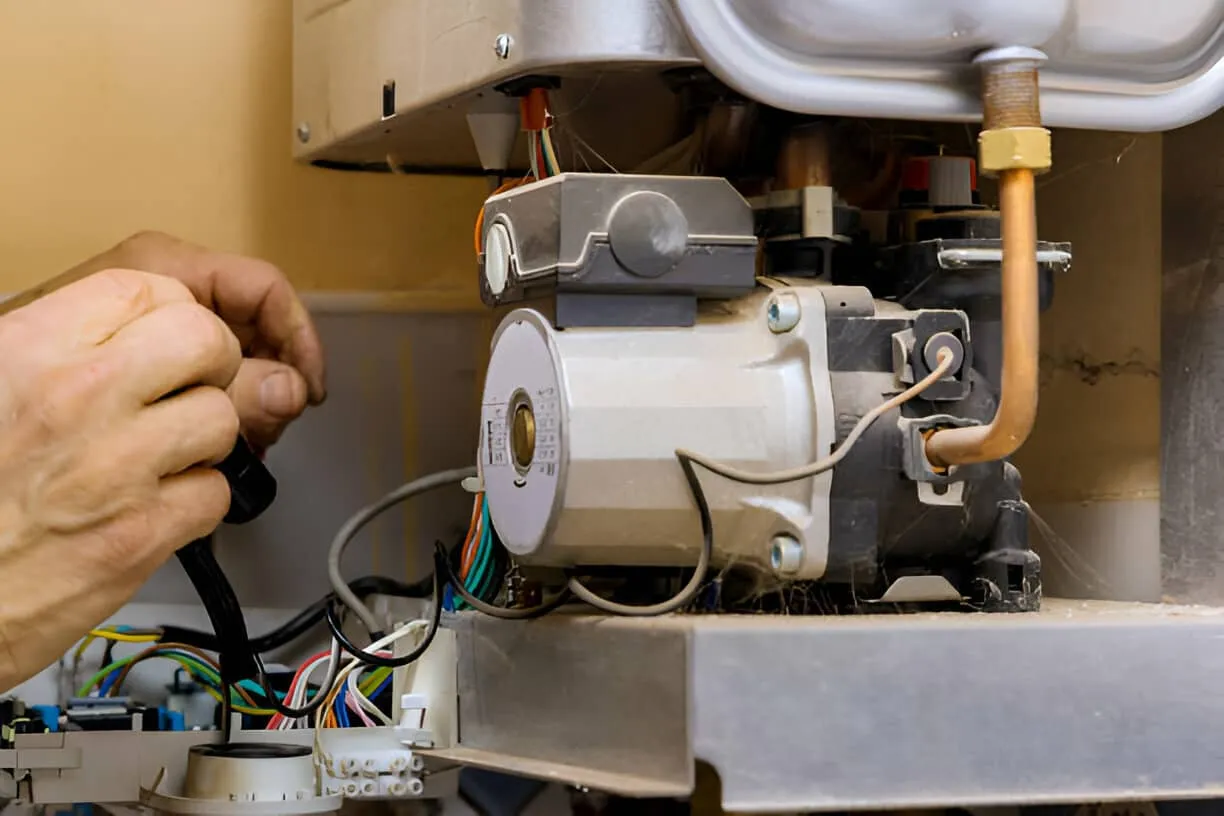
Why heating maintenance matters in Eagle Lake, FL
Eagle Lake homes typically experience short but sometimes chilly stretches between December and February. Most residences use heat pumps or hybrid systems that run year-round for cooling and switch to heating mode seasonally. Humidity, pollen, and occasional heavy rain can affect system components and indoor air quality. Regular maintenance addresses these regional influences so systems run reliably when outdoor temperatures drop and so heat pumps remain efficient through seasonal changes.
Common heating systems in Eagle Lake and typical problems
- Heat pumps (most common) - issues include low refrigerant, compressor strain, reversing valve or defrost cycle faults.
- Gas furnaces (in some homes) - common concerns are burner issues, cracked heat exchangers, and ignition problems.
- Hybrid systems (electric + gas) - require coordinated checks on both sides.
- Ducted systems - can suffer from leaks, poor insulation, and blocked vents that reduce effectiveness.
Because many systems sit idle for months, the first call for heating is often due to neglected components, exhausted filters, or thermostat miscalibration.
Seasonal tune-up: what’s included
A professional seasonal tune-up for heating in Eagle Lake typically covers the following elements:
- Visual inspection of the entire system and surrounding area
- Air filter check and replacement if needed (or note for homeowner replacement)
- Thermostat calibration and battery check
- Electrical connection inspection and voltage/amperage check on motors and compressors
- Blower motor and fan inspection, cleaning, and lubrication where applicable
- Heat exchanger inspection for cracks (furnaces) or burner combustion check (gas units)
- Refrigerant level check and leak detection for heat pumps
- Reversing valve and defrost cycle verification on heat pumps
- Condensate drain and pan cleaning to prevent backups and mold growth
- Ductwork visual inspection for leaks and obstructions
- Safety controls and limit switch testing
- System performance check, including airflow measurements and temperature rise/drop readings
- Written report of findings and recommended repairs or optimizations
A standard tune-up usually takes 45 minutes to 90 minutes depending on system condition and whether additional diagnostics are required.
Detailed inspection checklist
Technicians follow a thorough checklist to ensure nothing is missed. Key inspection points include:
- Filter condition and recommended size/type
- Thermostat settings and control responsiveness
- Blower wheel cleanliness and motor bearings
- Heat exchanger integrity or burner flame quality (color and stability)
- Refrigerant pressures and compressor health indicators
- Capacitors, contactors, relays, and electrical terminals
- Duct insulation, visible leaks, and disconnected registers
- Outdoor unit clearance and coil cleanliness
- Drain line flow and presence of biological growth
- Carbon monoxide risk indicators (for combustion systems)
- Overall system runtime diagnostics to identify intermittent problems
Benefits of regular heating maintenance
- Improved efficiency and lower energy use - Clean components and correct refrigerant or fuel setup reduce run time and monthly bills.
- Greater reliability - Routine checks catch wear before it becomes a breakdown during a cold snap.
- Enhanced safety - Inspections identify gas leaks, cracked heat exchangers, and electrical hazards that can be dangerous.
- Extended equipment life - Regular lubrication, cleaning, and adjustments slow wear on costly components.
- Preserved warranty - Many manufacturers require annual maintenance to keep warranties valid.
- Better indoor air quality - Clean filters and drains reduce dust, pollen, and mold circulation.
- Fewer emergency repairs - Planned maintenance reduces the chance of expensive last-minute fixes.
Maintenance plans tailored for Eagle Lake homes
Maintenance plans give predictable service cadence and priority access during peak seasons. Typical plan options include:
- Basic annual tune-up - One comprehensive heating inspection and cleaning per year, filter check reminders.
- Heat pump care plan - Biannual service timed for spring and fall to cover both cooling and heating modes, refrigerant check, and defrost cycle testing.
- Comprehensive plan - Annual tune-up plus a mid-season inspection, discounts on repairs and replacement parts, and priority scheduling during cold snaps.
- Vacation/rental property add-on - Service windows timed around occupancy cycles and documented reports for property managers.
Plan benefits often include scheduled reminders, documented service records for home resale, and reduced emergency service fees. For heat pump-dominant systems in Eagle Lake, a biannual schedule is often the most cost-effective approach because it covers both cooling and heating stresses.
Scheduling details and what to expect on service day
- Best timing: Schedule heating maintenance in late fall before sustained cold arrives. For heat pumps, a spring check following heavy cooling use is also recommended.
- Appointment window: Expect a technician to arrive within a scheduled time window. The visit typically takes 45 to 90 minutes.
- Preparation: Clear access to the indoor unit, thermostat, and outdoor unit. Have recent service history available if possible.
- Documentation: A technician should provide a written summary of findings, any safety issues, and recommended next steps.
- Follow-up: If repairs are needed, a clear explanation of cause and options for parts and labor should be provided along with timing for repair work.
DIY maintenance tips and warning signs
Small homeowner actions between professional visits help performance:
- Replace or clean filters every 1 to 3 months depending on use and indoor allergies.
- Keep register areas free of furniture and clutter to maintain airflow.
- Ensure outdoor units are clear of vegetation and debris.
- Check thermostat batteries and settings before the season starts.
Immediate professional attention is advised if you notice:
- Unusual noises (clanking, screeching, grinding)
- Significant drops in airflow or uneven heating across rooms
- Visible leaks, ice buildup on outdoor units, or refrigerant smell
- Yellow or flickering burner flames in gas units
- Any sign of carbon monoxide alarm triggers or gas odor
Regular maintenance is an investment that reduces operating costs, improves comfort, and protects your home. For Eagle Lake homes, a planned maintenance approach that accounts for heat pump use, humidity effects, and seasonal transitions delivers the best combination of reliability, efficiency, and safety.

Customer Testimonials

Service Areas