Furnace Service in Eagle Lake, FL
Heating Furnace Service in Eagle Lake, FL
Keeping your home comfortable and safe during the cooler months in Eagle Lake, FL means having a reliable heating system. Even though Central Florida winters are milder than northern climates, cold snaps, overnight temperature drops, and the needs of infants, older adults, or health-sensitive family members make dependable furnace service important.
.webp)
Why timely furnace service matters in Eagle Lake, FL
- Safety: Furnaces that burn fuel can develop leaks or combustion issues that create carbon monoxide or fire hazards. Prompt inspection reduces risk.
- Comfort: Shorter, consistent heating cycles keep indoor temperatures stable during cold fronts.
- Longevity and efficiency: Regular care prevents accelerated wear from Florida humidity and keeps systems running efficiently.
- Code and permit compliance: Proper installation and replacement ensure vents, gas lines, and electrical connections meet local codes.
Common furnace types and issues in Eagle Lake homes
Many homes in Polk County rely on heat pumps or packaged systems, but a significant number still use gas or electric furnaces or hybrid systems. Technicians servicing furnaces in Eagle Lake are prepared for:
- Ignition or pilot failures
- Intermittent or no heat production
- Frequent cycling or short cycling
- Strange odors or burning smells during startup
- Inconsistent room temperatures or cold spots
- Loud noises: banging, rattling, or whistling
- Carbon monoxide concerns or abnormal flue operation
- Corroded burners, clogged filters, or restricted airflow
- Deteriorated heat exchangers or cracked flue components
Local climate notes: high humidity can accelerate corrosion on metal components and increase the need for filter and duct checks. Storm season can also affect exterior vents, electrical service, and fuel supply lines.
How professional furnace service works
1. Initial assessment and safety check
- Technicians evaluate visible components, confirm power and fuel supply, and perform safety checks including carbon monoxide testing and venting inspection.
2. Diagnostic testing
- Diagnostics include ignition system testing, burner efficiency checks, thermostat calibration, airflow measurements, and electrical component testing.
3. Written findings and options
- For decision-stage homeowners, clear explanations of findings and the repair versus replacement options are provided, with pros and cons for each approach.
4. Repair or maintenance work
- Repairs address faulty components, controls, motors, igniters, or burners using manufacturer-approved parts. Maintenance work includes filter replacement, burner cleaning, lubricating moving parts, tightening electrical connections, and verifying safe combustion.
5. Replacement and installation
- When replacement is recommended, professionals size the new system to your home, recommend compatible fuels or hybrid options, verify ductwork and venting, obtain required permits, and perform a code-compliant installation with final safety testing.
Emergency response and availability
Emergency heating failures can happen at night or during sudden cold snaps. Emergency furnace service availability in Eagle Lake typically includes after-hours response and priority dispatch for safety-related failures such as carbon monoxide detection, complete heat loss during extreme conditions, or any situation posing a hazard to occupants. Response times vary by location and demand, and technicians follow protocols to secure the area, perform temporary safety measures if needed, and complete repairs or safe shutdowns before scheduling full repairs.
Technician certifications and standards
Qualified furnace technicians serving Eagle Lake should demonstrate:
- Valid state HVAC contractor license where applicable
- Certification such as NATE (North American Technician Excellence) or equivalent
- EPA 608 certification for handling refrigerants if heat pumps are serviced
- Gas safety training and local gas fitter qualifications for fuel-burning furnaces
- Continued education on modern controls, energy-efficient equipment, and local building codes
- Background checks and adherence to professional safety practices
Technicians should explain the diagnosis in plain language and show documentation for recommended parts, permits, and safety testing.
When to repair vs replace
- Repair if the system is relatively new, the problem is isolated, and the unit passes safety tests.
- Consider replacement when the furnace is near the end of its expected life, the heat exchanger is compromised, repair costs are frequent or high, or system efficiency is substantially degraded.
- Replacement planning should consider proper sizing, AFUE ratings or efficiency metrics, compatibility with existing ductwork, and future energy savings.
Maintenance checklist for Eagle Lake homes
Regular seasonal maintenance prevents many common failures and preserves indoor air quality:
- Replace or clean filters every 1 to 3 months depending on use
- Annual safety inspection and tune-up before the heating season
- Clean burners and combustion areas, and inspect the heat exchanger
- Check thermostat calibration and control wiring
- Verify venting and flue integrity
- Inspect ductwork for leaks and proper insulation
- Test carbon monoxide detectors and safety shutoffs
Service area and coverage
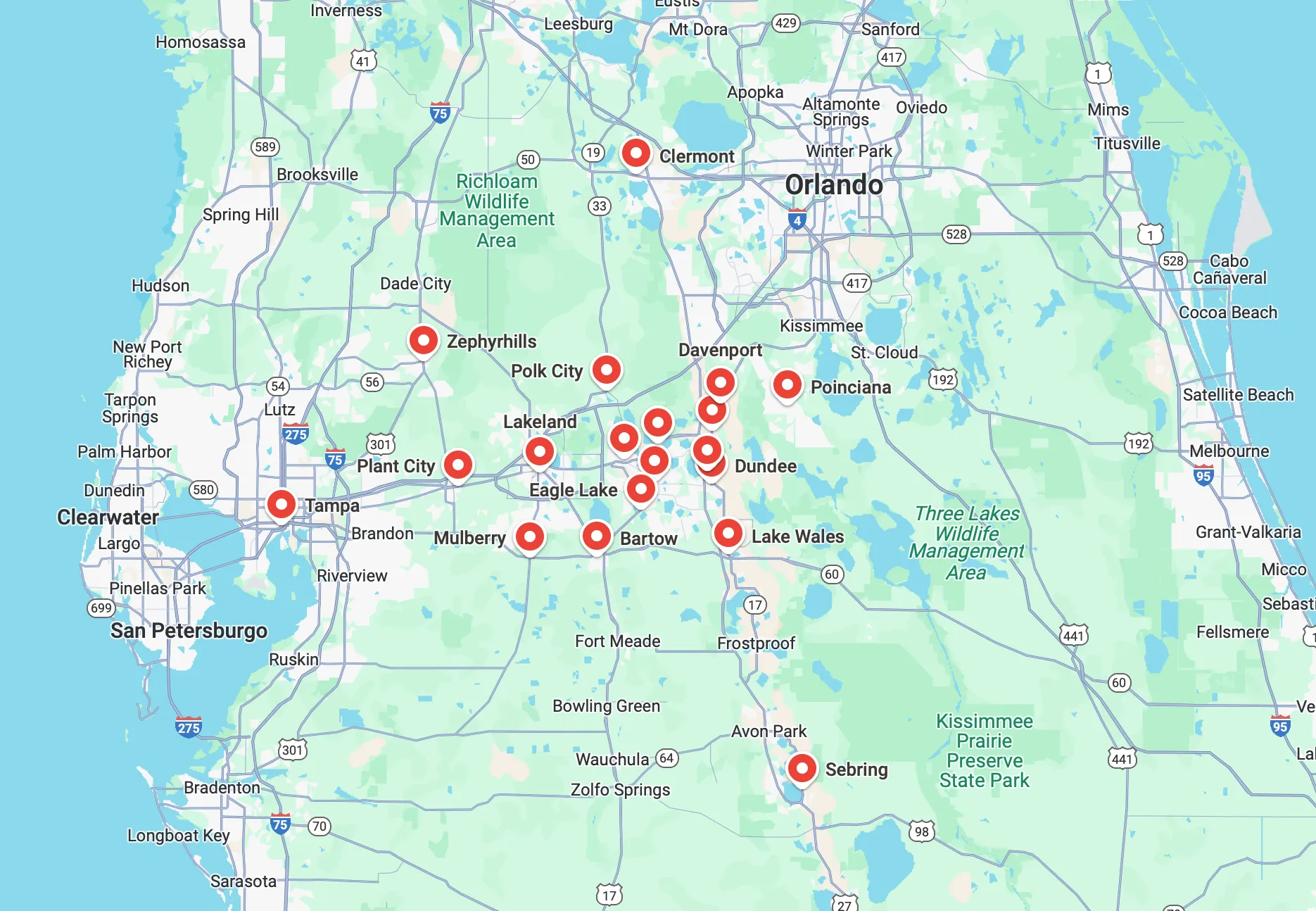
Services described here are tailored to homeowners in Eagle Lake, FL and surrounding Polk County communities, including areas such as Winter Haven, Lake Alfred, Davenport, Haines City, and Lakeland. Technicians familiar with local climate patterns, permitting processes, and common home construction types provide targeted recommendations for area-specific concerns.
Guarantees and quality assurance
Professional furnace service is typically backed by workmanship guarantees and manufacturer warranties on parts. Work performed to code and documented safety testing provide assurance that installations and repairs meet industry standards. Clear service documentation, parts records, and safety test results should be provided after every job to support warranty claims and future maintenance.

Customer Testimonials

Service Areas