Heating Furnace Replacement in Haines City, FL
Heating Furnace Replacement in Haines City, FL
Replacing a heating furnace is a major home investment. In Haines City, FL, where winters are mild but humidity and temperature swings still create heating needs, a properly sized, efficient furnace improves comfort, reduces operating costs, and ensures safe indoor air.
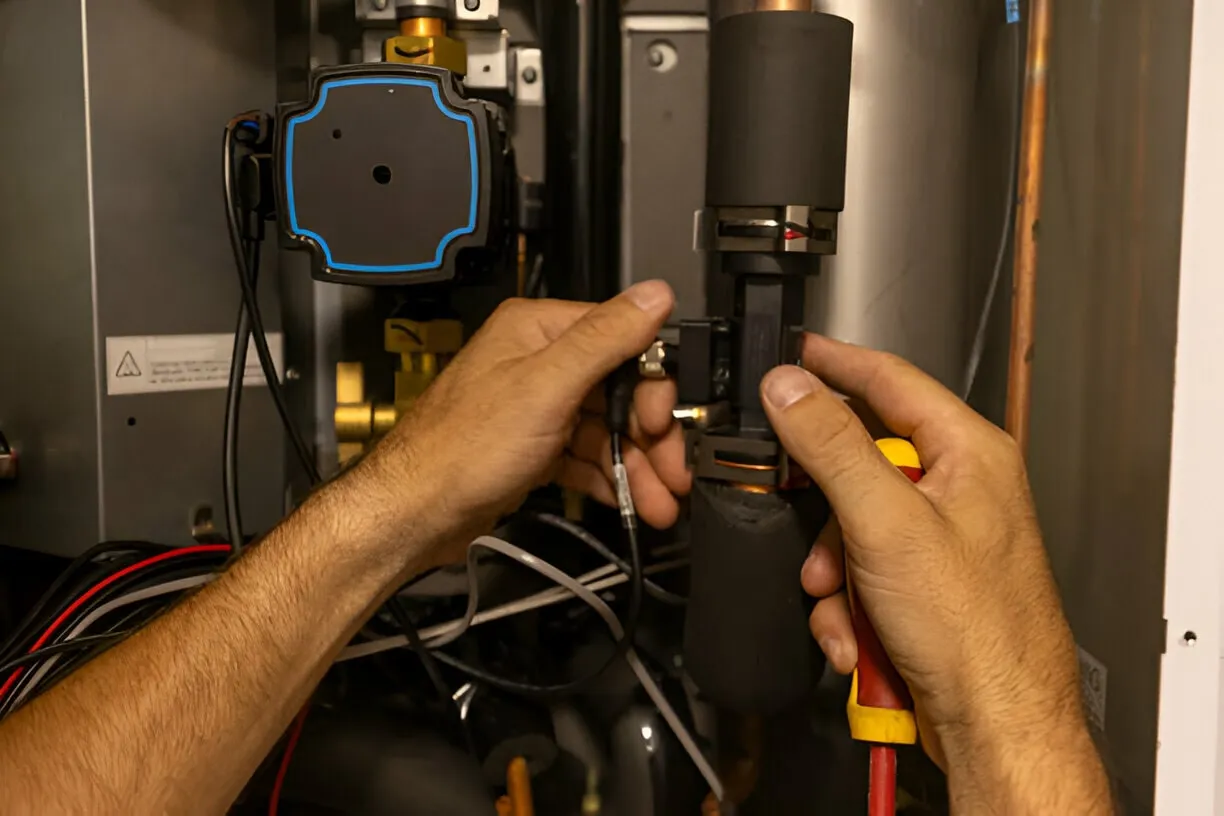
Why Haines City homes might need furnace replacement
Even in central Florida, many homes use furnaces for overnight heating during cooler months or as part of combined HVAC systems. Local factors that affect replacement decisions include:
- Mild but sometimes chilly winter nights that require reliable heating.
- High humidity that can accelerate corrosion in older equipment and affect duct performance.
- Attic-installed systems common in Florida that are exposed to heat and moisture, shortening component life.
- Mixed fuel availability: some homes use natural gas or propane, while others rely on electric or heat pump systems.
Recognizing and acting on replacement needs prevents discomfort, reduces energy waste, and addresses safety risks.
Common signs you need replacement
- Unit age: furnaces older than 15 to 20 years typically approach end of life.
- Frequent breakdowns: increasing repair frequency often indicates diminishing returns.
- Rising energy bills: a sudden or steady increase without changes in use suggests declining efficiency.
- Uneven heating or cold spots: may mean the furnace cannot meet the home load.
- Strange noises or persistent odors: rattling, banging, or combustion smells can indicate serious mechanical or safety issues.
- Visible rust, corrosion, or a cracked heat exchanger: safety concerns that usually require replacement.
System sizing and efficiency considerations for Haines City
Correct sizing is critical. Oversized units short-cycle, raise humidity, and wear out faster. Undersized units run constantly and fail to keep the house comfortable. Key sizing and efficiency steps:
- Load calculation (Manual J): a professional Manual J assessment accounts for square footage, insulation, window type, orientation, occupancy, and local climate. In Haines City, attic conditions and humidity factors are part of that equation.
- Fuel choice: compare natural gas, propane, electric furnaces, and heat pumps. In mild climates like Haines City, heat pumps often deliver better year-round efficiency because they provide both heating and cooling.
- Efficiency ratings: for furnaces use AFUE (Annual Fuel Utilization Efficiency); higher AFUE means lower fuel use for the same heat output. For heat pumps, compare SEER and HSPF ratings; higher numbers mean improved performance.
- Ductwork and airflow: leaky or undersized ducts installed in hot, humid attics are common in Florida and can undermine any new furnace’s performance. Plan for duct sealing or improvements during replacement.
Comparing furnace types and models
- Gas furnaces: deliver strong, fast heat. Best where natural gas or propane is available. Look for high AFUE ratings and modern safety features like direct venting and electronic ignition.
- Electric furnaces: simple and lower upfront cost but typically more expensive to run. Appropriate for homes without gas access or paired with solar generation.
- Heat pumps: preferred in mild climates because they heat and cool efficiently. Modern cold-climate heat pumps also perform well in lower temperatures and may be the most energy-efficient choice for Haines City.
- Dual-fuel systems: combine a heat pump with a gas furnace; the heat pump handles most heating, and the gas furnace kicks in when temperatures drop very low. This can be optimal for homes with mixed fuel availability.
When choosing a model, balance efficiency ratings, capacity, noise levels, warranty length, and whether existing ductwork and electrical/gas services accommodate the new unit.
Removal of the old unit and safe disposal
Proper removal protects your home and ensures compliance:
- Pre-installation inspection: assess combustion air, venting, gas piping, and electrical connections.
- Disconnection: gas, electrical, and vent components are shut down and safely isolated. Any refrigerant handling (for combined systems) follows EPA rules.
- Hazard checks: older units may contain materials or conditions (for example, suspected asbestos in duct joints or insulation). If present, specialized abatement is required.
- Disposal and recycling: manufacturers and local regulations may require recycling of certain parts. Proper disposal prevents environmental hazards.
Typical installation timeline
- Site assessment and load calculation: usually scheduled prior to installation.
- Day 1: removal of the old unit, inspection and any required duct or vent upgrades, delivery of the new unit.
- Day 2: final installation, gas/electrical hookups, venting and combustion air setup, system charging if applicable, and commissioning.Most straight replacements are completed within one to two days, but added ductwork, structural modifications, or special venting needs can extend the timeline.
Permits and code compliance in Haines City, FL
Replacements must meet local and state codes:
- Building permits: furnace replacement typically requires a mechanical permit through the local jurisdiction. Haines City follows the Florida Building Code; Polk County or city inspectors may perform final inspections.
- Gas and venting codes: gas line sizing, pressure testing, combustion air, and proper flue or direct vent installation must comply with code.
- Electrical requirements: ensure correct breaker sizing and safe wiring.
- Inspection and sign-off: a final inspection verifies safe combustion, proper venting, carbon monoxide testing, and code compliance.
Always plan for permit approvals and inspections as part of the project timeline.
Financing and rebate options
Replacing a furnace is a capital expense but several options can reduce upfront impact:
- Manufacturer rebates: seasonal or efficiency-based rebates are common on high-AFUE furnaces and heat pumps.
- Local utility incentives: many utilities offer rebates or incentives for energy-efficient equipment; check with the local energy provider in Polk County for available programs.
- State and federal incentives: energy efficiency programs and tax credits may apply to heat pumps and high-efficiency systems; eligibility varies, so verify current rules.
- Financing choices: HVAC-specific loans, home improvement financing, and energy-efficiency loan programs can spread payments over months or years. Review terms carefully for interest rates and penalties.
Warranty coverage and what to expect
Warranty protection comes in several parts:
- Manufacturer warranty: covers major components for a specified period. Read exclusions and required maintenance conditions.
- Parts warranty: some components have separate coverage lengths.
- Labor warranty: installers may offer limited labor warranties for workmanship. Labor coverage varies by provider and job scope.
- Registration and maintenance: many manufacturer warranties require registration of the unit and proof of regular professional maintenance to remain valid.
- Transferability: some warranties are transferable if you sell the home; this can add resale value.
Document all warranty details and keep records of installation, permits, and maintenance.
Long-term benefits and maintenance advice
A correctly executed furnace replacement improves comfort, reduces energy bills, and enhances safety. To protect your investment:
- Schedule annual or biannual inspections and tune-ups.
- Replace filters on schedule and consider higher-efficiency filters if compatible.
- Seal and insulate ducts, especially those in the attic, to reduce heat loss and improve efficiency.
- Consider programmable or smart thermostats for better temperature control and energy savings.
- Monitor for unusual sounds, odors, or performance changes and address issues early.
Making replacement decisions with accurate sizing, proper installation, and attention to local climate and building codes ensures reliable heating performance for years.

Customer Testimonials

Service Areas