Heating Furnace Installation in Haines City, FL
Heating Furnace Installation in Haines City, FL
A properly installed heating furnace keeps your home safe, comfortable, and energy efficient during the cooler months. Even in Haines City, FL, where winters are mild compared with northern states, reliable heating matters for chilly nights, cold snaps, and humidity control.
.webp)
Why a professional furnace installation matters in Haines City, FL
Haines City homes face specific conditions: relatively mild but occasionally cold weather, high humidity for much of the year, and a mix of older and newer construction styles. These factors affect how a furnace should be sized, how ductwork should be sealed and insulated, and how combustion venting is handled. A professional installation prevents:
- Uneven heating or short cycling caused by incorrect sizing
- Moisture and condensation issues in ducts that reduce efficiency and indoor air quality
- Safety hazards from improper gas or venting connections, including carbon monoxide risk
- Higher energy bills due to poor airflow, leakage, or inefficient setup
Common furnace installation issues in Haines City
- Incorrect sizing: Oversized or undersized furnaces lead to comfort problems and higher operating costs.
- Poor ductwork condition: Leaky, uninsulated, or undersized ducts are common in older Central Florida homes.
- Inadequate ventilation or venting routing: Combustion appliances require correct venting to avoid backdraft and CO buildup.
- Electrical and thermostat incompatibility: Older wiring or mismatched thermostat systems can prevent proper control.
- Insufficient condensation management: High humidity increases condensation risks in ducts and flues if not addressed.
Pre-install assessment: the foundation of a correct installation
A thorough pre-install assessment includes:
- Load calculation: A Manual J or similar heat loss/gain calculation determines the correct furnace capacity for your home layout, insulation levels, window types, and local climate patterns.
- Ductwork evaluation: Inspecting existing ducts for leaks, insulation, sizing, and airflow helps decide whether repairs or upgrades are required.
- Fuel source and venting check: Confirming natural gas, propane, or electric service, and planning safe venting routes to meet local building codes.
- Electrical and access review: Verifying circuit capacity, disconnects, and placement for safe installation and future servicing.
- Permitting and code review: Ensuring the installation will comply with Polk County and Florida building codes, including combustion air and venting requirements.
Correct sizing and ductwork evaluation
Correct furnace sizing is crucial in Haines City where modest heating loads can make oversizing particularly wasteful. Technicians will:
- Use industry-standard load calculations rather than rule-of-thumb sizing
- Evaluate supply and return designs to ensure balanced airflow and room-by-room comfort
- Recommend duct sealing, insulation upgrades, or zoning options if ducts are undersized or poorly located
- Account for humid subtropical conditions by ensuring ducts in unconditioned spaces are insulated and sealed to minimize condensation and energy loss
Installation procedures: step by step
A typical installation process includes:
- Site preparation: Clearing the area, protecting floors, and setting up appropriate tools and materials.
- Removal of old equipment: Safe disconnection, removal, and disposal in accordance with local regulations.
- Rough-in work: Positioning the new furnace, preparing mounting, and planning venting and combustion air paths.
- Duct connections and sealing: Attaching new or existing ducts, sealing seams with approved materials, and insulating where required.
- Fuel and electrical hookups: Installing gas lines or electrical connections following code, including shutoffs and surge protection as needed.
- Venting and flue installation: Installing properly sloped, supported venting to prevent condensate issues and ensure correct draft.
Electrical and venting work: safety and code compliance
Electrical and venting work are high-priority safety items:
- Electrical: Proper circuit sizing, grounding, and a dedicated disconnect ensure safe operation. Technicians verify compatibility with thermostats and any smart controls.
- Venting: Gas or propane furnaces require sealed and properly routed vent systems. In humid climates, attention to condensation and trap installations is important to prevent corrosion and blockages.
- Carbon monoxide safety: Installations include checks for tight vent seals and proper combustion air supply to minimize CO risk.
Startup, safety testing, and verification
Before handing over the system, professionals perform detailed startup and safety checks:
- Operational tests: Verify ignition, burners, blower operation, and thermostat communication.
- Combustion analysis: Measure CO levels, draft, and combustion efficiency on fuel-fired units.
- Leak checks: Test gas lines and connections for leaks using approved methods.
- Electrical verification: Confirm safe voltages, currents, and thermostat compatibility.
- Airflow measurements: Validate supply and return airflow to ensure balanced comfort.
Post-installation walkthrough, warranty registration, and homeowner orientation
A quality installation includes education and documentation:
- Walkthrough: The installer demonstrates the system operation, points out vents, filters, and access panels, and reviews any work done on ductwork or electrical systems.
- Warranty registration: All manufacturer warranties and labor guarantees should be explained and documented so homeowners know coverage terms and durations.
- Homeowner orientation: Clear instruction on thermostat programming, filter replacement schedules, seasonal start/stop procedures, and signs of trouble to watch for (unusual noises, odors, or cycling behavior).
- Maintenance recommendations: Suggested maintenance intervals such as filter changes every 1 to 3 months, annual professional tune-ups, and periodic duct inspections to maintain efficiency and prolong equipment life.
Long-term benefits and maintenance tips for Haines City homes
- Improved comfort and consistent indoor temperatures during rare cold spells.
- Better indoor air quality with sealed, insulated ducts and proper filtration.
- Energy savings from correctly sized equipment and properly sealed systems.
- Reduced safety risks through professional venting and combustion controls.
Maintenance tips:
- Change or clean filters regularly to prevent airflow restriction and humidity-related mold growth.
- Schedule annual inspections before the heating season to verify safe combustion and efficient operation.
- Check vents and returns for blockages and keep attic or crawlspace ducts insulated.
- Monitor for unusual odors or persistent cycling and address issues promptly to avoid larger repairs.
A professional Heating Furnace Installation in Haines City, FL integrates local climate considerations, correct equipment sizing, safe venting and electrical practices, and homeowner education. Following these steps ensures your system delivers efficient, reliable heating and peace of mind when you need it most.

Customer Testimonials

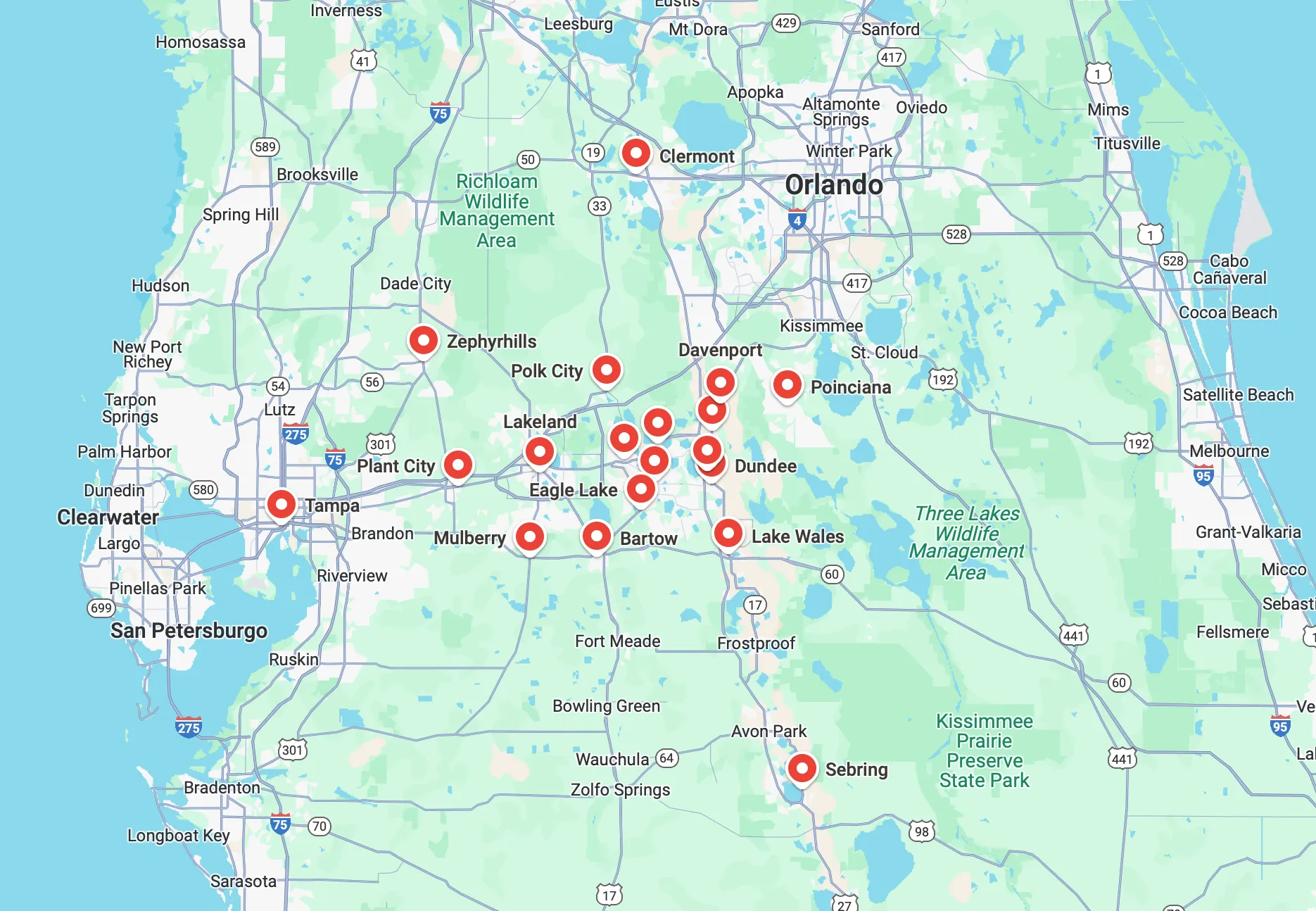
Service Areas