Heating Furnace Repair in Haines City, FL
Heating Furnace Repair in Haines City, FL
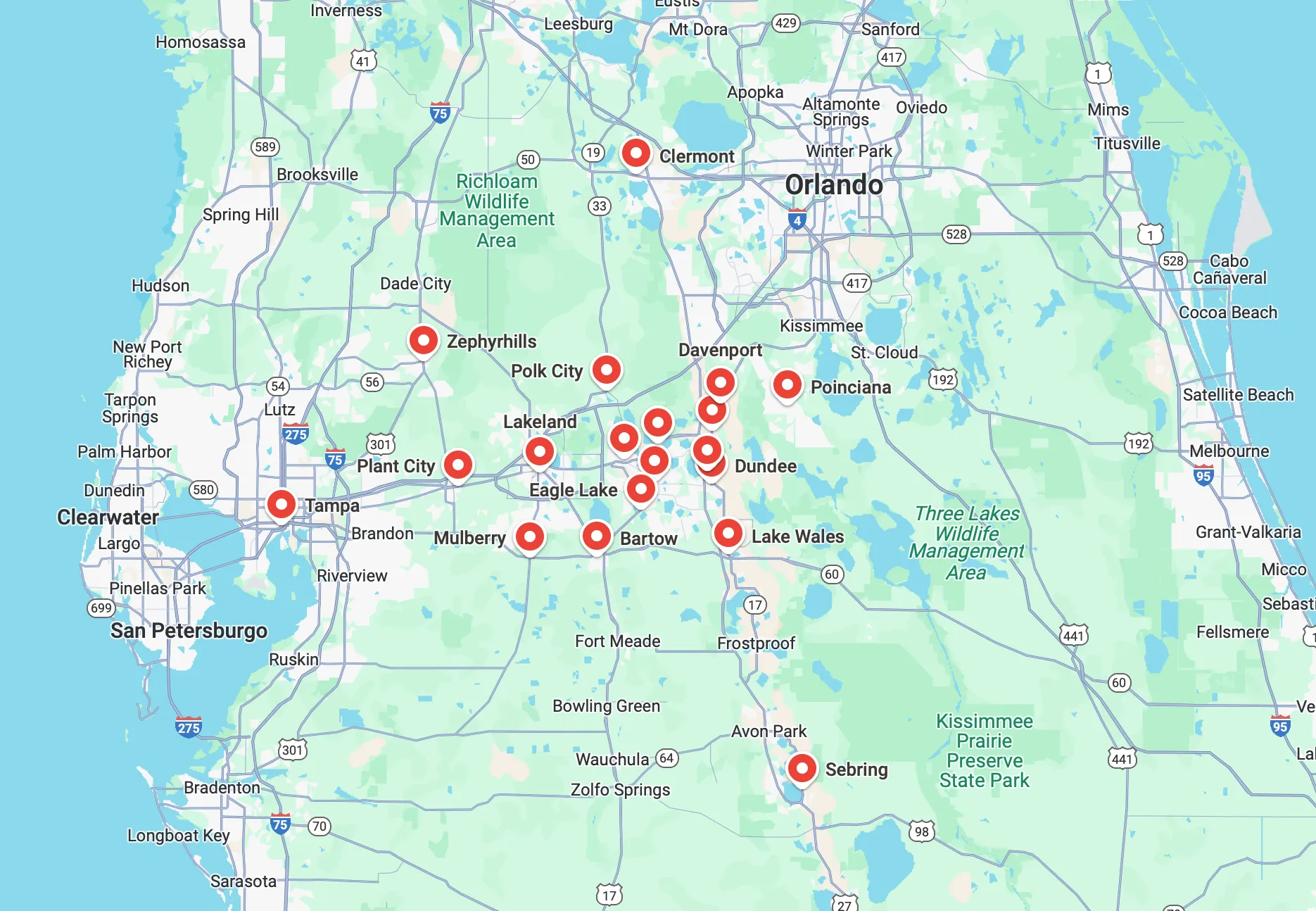
Heating furnace repair in Haines City, FL focuses on fast, reliable solutions for homeowners facing furnace failures, safety concerns, or intermittent performance. Even though Central Florida winters are mild, when temperatures dip or overnight lows fall, a malfunctioning furnace becomes urgent. Local factors like high humidity, seasonal storms, and long idle periods during warm months influence the kinds of problems Haines City homes experience and how technicians diagnose and fix them.
.jpeg)
Why timely furnace repair matters in Haines City homes
A prompt repair protects comfort and safety. A cracked heat exchanger can allow carbon monoxide into living spaces. A failing control board or blower can leave a home without heat during a sudden cold snap. Because furnaces in this region often sit unused for months, small issues can develop into larger failures when called back into service. Addressing problems quickly reduces the risk of emergency outages and preserves system lifespan.
Common furnace problems in Haines City and what causes them
- Ignition failures: Hot surface ignitors or pilot assemblies can fail after long idle periods, or after power surges during storms. Symptoms include a furnace that tries to start but shuts down, or no ignition at all.
- Burner issues: Burners can become clogged with dust, pollen, insect debris, or rust, producing weak flames, uneven heating, or yellow, sooty combustion.
- Heat exchanger damage: Cracks or corrosion in the heat exchanger are serious. They commonly result from long-term overheating, corrosion accelerated by humidity, or age-related metal fatigue.
- Blower motor and fan problems: Motors can seize, bearings wear, or capacitors fail. Symptoms include reduced airflow, unusual noises, or intermittent blower operation.
- Control board and electrical faults: Power surges from storms, moisture intrusion, or rodent damage can cause control board failure, erratic cycling, or no response from the system.
- Airflow and venting problems: Restricted returns, closed vents, or blocked flues reduce efficiency and can trigger safety switches or short cycling.
How a professional furnace diagnostic works
A thorough diagnostic follows a structured sequence to identify root causes rather than treating symptoms:
- Safety and visual inspection: Technicians check for gas leaks, ventilation issues, visible damage, corrosion, and proper clearances.
- Thermostat and control checks: Confirm thermostat settings, wiring integrity, and control board error codes.
- Ignition and burner evaluation: Inspect and test the ignitor, pilot assemblies, and burner flame quality and alignment.
- Electrical and motor testing: Use multimeters to test capacitors, motor windings, and continuity on safety switches.
- Heat exchanger and combustion analysis: Inspect the exchanger visually and, when needed, perform a combustion test to detect incomplete combustion or CO concerns.
- Airflow and duct assessment: Check filter condition, blower performance, and obstructions in supply and return ducts.
Diagnostics in Haines City often include extra attention to signs of insect nests, rodent activity, and moisture-related corrosion.
Typical repairs and solutions explained
- Ignition system fixes: Cleaning or replacing the hot surface ignitor or pilot assembly. Ignitors are delicate and commonly fail after long idle spells.
- Burner cleaning and adjustment: Removing debris, realigning burners, and re-establishing proper flame pattern to restore efficient combustion.
- Heat exchanger outcomes: Minor surface corrosion may be manageable, but visible cracks or severe corrosion usually require heat exchanger replacement or full furnace replacement for safety.
- Blower motor repairs: Cleaning and lubrication can restore function for some motors. Replacing failed motors or capacitors resolves persistent airflow problems.
- Control board service: Repair may involve replacing fuses, reconnecting loose wiring, or replacing the control board if damaged by surges or moisture.
- Venting and limit switch repairs: Clearing blocked vents, replacing damaged flue components, or replacing faulty limit switches restores safe operation.
Emergency furnace repair response in Haines City
Situations that qualify as emergencies include a persistent gas smell, a triggered carbon monoxide alarm, or no heat during dangerously low temperatures. In these cases it is crucial to prioritize occupant safety: evacuate if you detect gas or CO, and avoid operating combustion appliances. Emergency response in Haines City often takes into account storm-related delays and local traffic patterns, with technicians prepared to secure unsafe equipment, perform temporary fixes, and schedule the necessary follow-up repairs.
Typical repair timelines and cost factors (no specific prices)
- Diagnostic time: Most on-site diagnostics take between 30 minutes and 2 hours depending on access and system complexity.
- Minor repairs: Tasks like cleaning burners, replacing ignitors, or changing capacitors are often completed the same day once parts are on hand.
- Major component replacements: Items such as blower motors, control boards, or heat exchangers may require ordering parts. Repairs can range from same-day completion to several days if parts must be ordered.
- Replacement considerations: When heat exchanger damage, extensive corrosion, or repeated failures are present, full system replacement may be recommended. The timeline for replacement depends on system availability and installation complexity.
Cost contributors include part type (OEM vs aftermarket), system accessibility, age of the furnace, and whether additional work like duct repairs or safety upgrades is required. Warranties and parts availability will also influence how quickly a repair can be completed.
Warranty, parts, and documentation
Most furnace components have manufacturer warranties that vary by part and model. Labor warranties are provided by service providers and can differ in length and coverage. Using OEM parts typically preserves manufacturer warranties, while aftermarket parts can be an option when OEM parts are unavailable. Always keep receipts and service documentation for warranty claims and future maintenance records.
Preventing future breakdowns - maintenance tips for Haines City homes
- Change or clean filters regularly, especially during pollen season and after long idle periods.
- Schedule an annual heating inspection and tune-up before the heating season to catch latent issues and verify safe combustion.
- Protect the furnace area from moisture and pests; seal entry points and keep the furnace room ventilated.
- Use surge protection on the HVAC circuit to reduce control board failures after storms.
- Run the furnace through a short heat cycle at the start of the cooler months to verify operation before temperatures fall.
- Keep supply and return vents clear and ensure exterior intake and exhaust vents are free of debris and nests.

Customer Testimonials

Service Areas