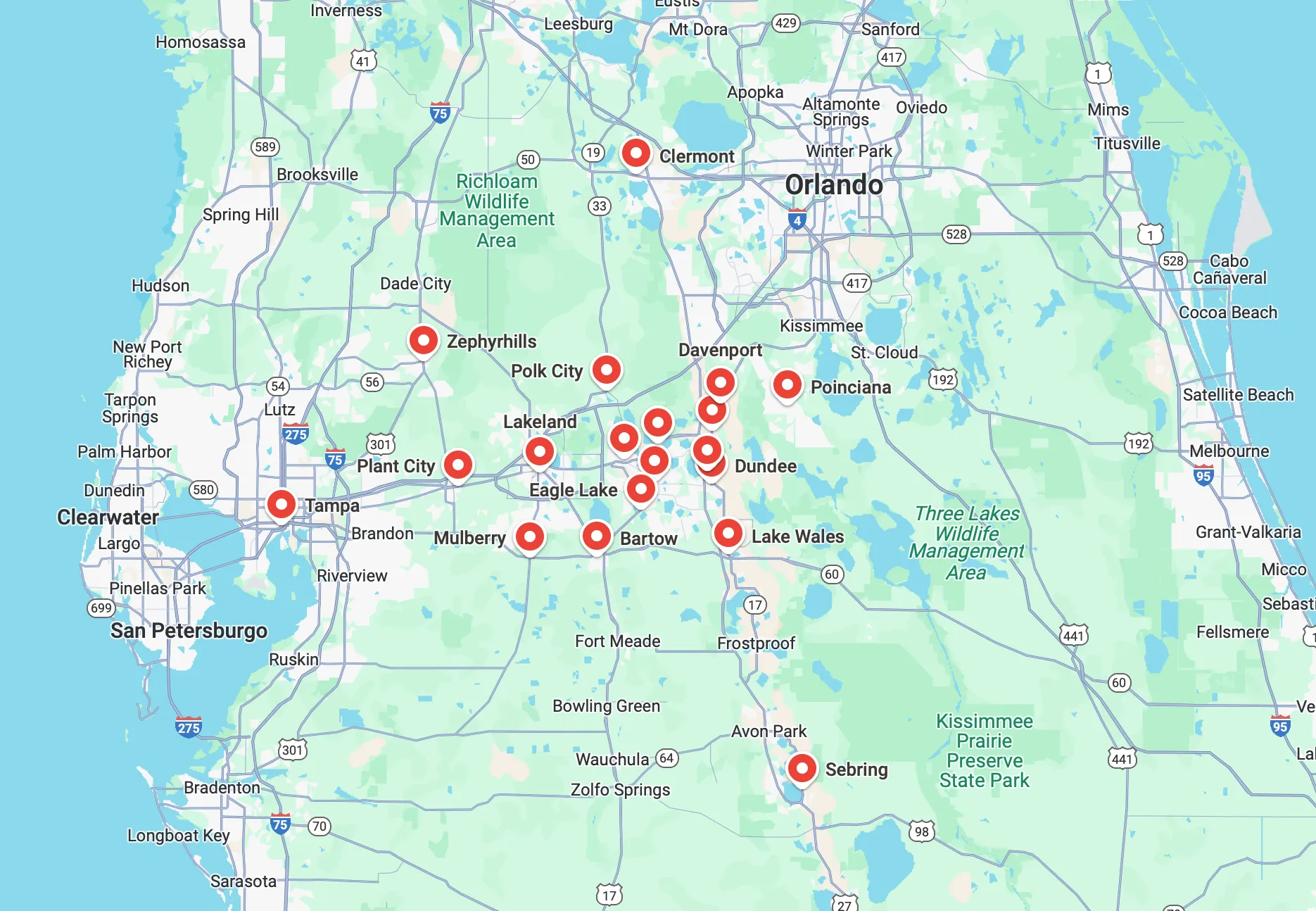
Furnace Replacement in Lake Alfred, FL
Heating Furnace Replacement in Lake Alfred, FL
Replacing a heating furnace is a major decision for Lake Alfred homeowners. Even though Central Florida winters are relatively mild, an inefficient or failing furnace still raises energy bills, causes comfort problems during cold snaps, and can shorten the life of your HVAC system.
.jpeg)
Why replace your furnace now: common signs and risks
If any of the following apply, a replacement-not just repair-may be the most cost-effective and reliable option:
- Age 15 years or older with frequent breakdowns. Older units lose efficiency and fail more often.
- Rising energy bills without a change in usage patterns or thermostat settings.
- Inconsistent heat, long run cycles, or rooms that never reach set temperature.
- Noisy operation, frequent cycling, or visible rust and corrosion on the cabinet or heat exchanger.
- Repairs that cost a significant portion of a new system’s price or repeated expensive component failures.
- Safety indicators such as persistent carbon monoxide alarm activations, yellow burner flame (for gas furnaces), or cracked heat exchanger.
Delaying replacement can mean higher operating costs, reduced comfort during occasional cold fronts, and increased risk of unsafe operation.
AFUE and energy-efficiency comparisons
AFUE (Annual Fuel Utilization Efficiency) measures the percentage of fuel converted to heat. Higher AFUE means lower fuel consumption for the same heat output.
- Standard efficiency: ~80% AFUE. Common in older or entry-level gas furnaces.
- High efficiency: 90%–98% AFUE. Condensing furnaces recover heat from combustion gases and are much more efficient.
- In Lake Alfred’s mild climate, a high-efficiency unit still delivers measurable savings over time because winters, while short, can include several cool weeks. Also consider electric vs gas: electric furnaces are nearly 100% efficient at the point of use but may cost more to operate depending on electricity rates.
When comparing AFUE:
- Calculate long-term fuel costs, not just purchase price.
- Consider variable-speed blowers and modulating gas valves for better comfort and reduced cycling.
- Remember that extremely oversized systems with high AFUE still perform poorly if not properly sized.
Sizing and load calculations for Lake Alfred homes
Correct sizing is critical. Oversized furnaces short-cycle, reduce comfort, and increase wear. Undersized units run constantly and won’t meet demand during cold weather.
- Manual J load calculation estimates heating needs based on square footage, insulation, window types, orientation, and local climate data.
- Manual S selects an appropriately sized unit based on the load.
- Ductwork evaluation determines if the existing ducts can handle required airflow; leaky or undersized ducts can negate benefits of a new furnace.
- For Lake Alfred homes, where winters are milder, calculations often result in smaller required capacities than in northern climates, but humidity, window solar gains, and home construction still matter.
Ask for documented Manual J and Manual S results before finalizing any replacement decision.
Available makes and models (types and features)
A few common categories and features to consider:
- Condensing gas furnaces (high efficiency, AFUE 90–98%): best for homes with natural gas or propane access.
- Non-condensing gas furnaces (mid efficiency, AFUE ~80–90%): lower upfront cost but higher operating expense.
- Electric furnaces: simple, reliable, and almost fully efficient at point of use; best where electricity pricing favors electric heat or where gas is unavailable.
- Hybrid or dual-fuel systems: combine a heat pump for mild weather with a furnace for colder periods—efficient in areas with mixed seasonal needs.
- Key features: two-stage or modulating burners for steadier heat, variable-speed ECM blowers for lower energy use and better humidity control, compatible thermostats for zoning and smart control.
Reputable manufacturers commonly used in the industry include multiple well-known brands; choose a model with the warranty, parts availability, and performance features that match your expectations.
Installation process and timeline
A professional replacement typically follows these steps:
- Pre-install assessment and load calculations (1–2 hours on-site).
- Permit application and approval if required by local code (timeline varies by jurisdiction).
- Delivery and staging of new equipment.
- Removal and proper disposal of the old furnace; reclamation of refrigerant if replacing a heat pump component.
- Installation of new unit, including gas, electrical, or fuel connections, and any duct modifications (most residential installs complete in one day; complex jobs may take 1–2 days).
- System start-up, combustion safety checks (for gas units), airflow balancing, and performance testing.
- Final walkthrough and documentation, including local code compliance and warranty registration.
Plan for a full-day disruption if interior access is required, and ensure clear pathways for equipment removal.
Disposal of old equipment
Old furnaces must be disposed of per local regulations:
- Gas or propane furnaces: safely disconnect fuel lines and inspect for leaks; cracked heat exchangers require careful handling.
- Heat pump or refrigerant-containing equipment: refrigerant recovery by certified technicians is mandatory.
- Metal recycling and proper disposal of circuit boards, filters, and oil/residue. Proper disposal protects your property and ensures compliance with Polk County and Florida environmental rules.
Financing and rebate options
Replacing a furnace is an investment. Typical financial supports include:
- Manufacturer and dealer financing programs for qualified buyers.
- Local utility or state rebates for high-efficiency equipment-rebates vary by program and change seasonally.
- Federal incentives or tax credits for certain high-efficiency systems or heat pumps may be available; eligibility depends on model specifications and timing.
When evaluating offers, compare total project cost after incentives and financing terms. Confirm rebate eligibility before purchase to ensure the system and installation meet program requirements.
Warranty and performance guarantees
Understand two types of protection:
- Manufacturer warranty: covers major components (heat exchanger, control boards) for a specified period. Note any registration requirements.
- Labor warranty from the installer: covers workmanship, installation errors, and startup issues for a defined period. Ask for documentation of both warranties and details on what actions void coverage. Performance guarantees may include post-installation efficiency testing or a satisfaction period for correction of any issues.
Choosing the right furnace for your home in Lake Alfred, FL
To select the best furnace:
- Start with a proper load calculation and duct evaluation.
- Prioritize efficiency (AFUE) balanced against realistic payback based on your winter usage.
- Consider a hybrid system or heat pump if your home already has compatible ductwork and you want year-round efficiency and humidity control.
- Look for features that improve comfort in humid climates: variable-speed blowers and compatible dehumidification strategies.
- Verify warranty terms and local service availability for the chosen brand and model.
- Factor in future energy cost trends and potential rebate opportunities when deciding between higher upfront cost and long-term savings.
Replacing your furnace is about matching the right equipment to your home’s needs and local climate. Proper sizing, efficient technology, and professional installation deliver dependable comfort during Lake Alfred’s cooler months while minimizing operating costs and maximizing longevity.

Customer Testimonials

Service Areas