Furnace Repair in Winter Haven, FL
Heating Furnace Repair in Winter Haven, FL
When your heating furnace acts up in Winter Haven, FL, you need fast, reliable diagnostics and repairs that protect comfort, safety, and equipment longevity. Even though Central Florida winters are mild, cold snaps and overnight lows make a working furnace essential for older homes and properties that rely on gas or oil furnaces rather than heat pumps.
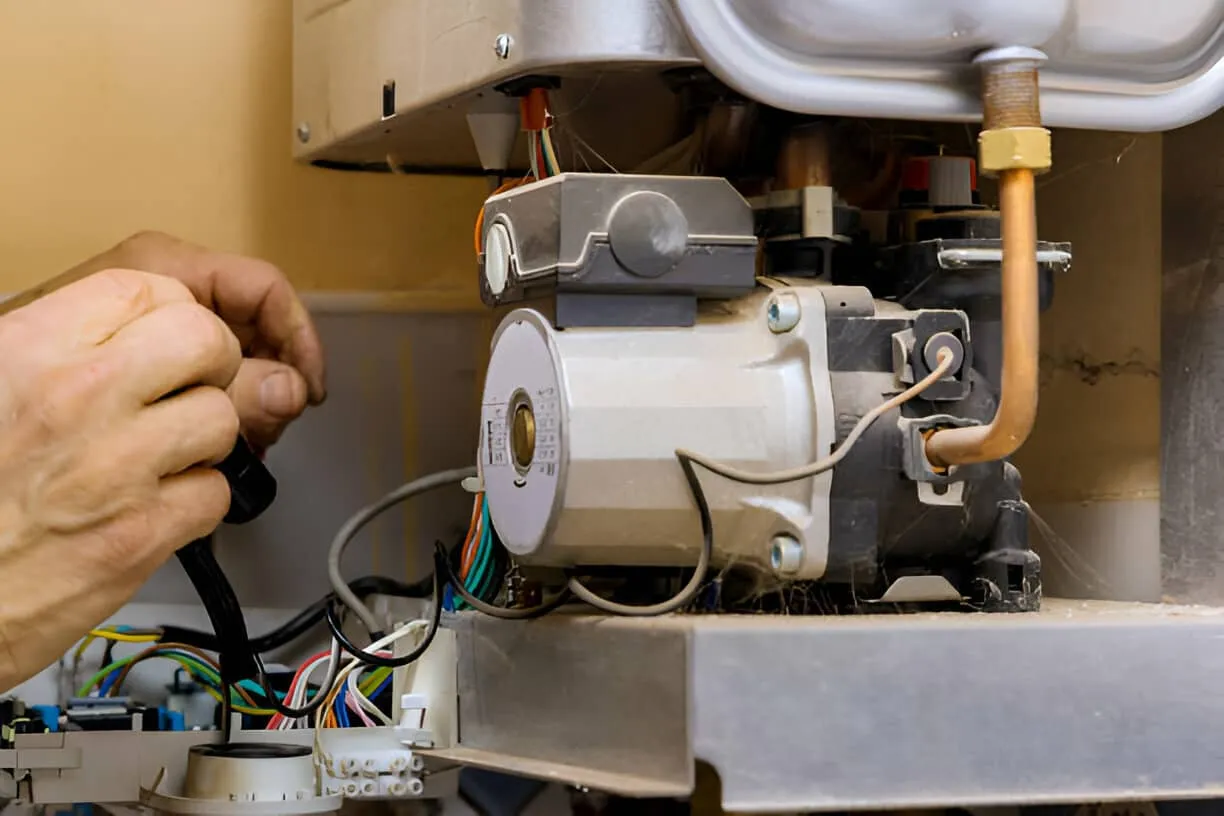
Why timely furnace repair matters in Winter Haven, FL
- Milder seasonal use means problems can go unnoticed until they become major failures. A failed ignition or corroded connection often shows up only when heating is needed.
- High humidity and occasional storms can accelerate corrosion of electrical components and connectors, leading to intermittent faults.
- Lake-effect microclimates and older plumbing or HVAC installations can produce localized issues that require on-site troubleshooting.
Addressing furnace issues promptly restores comfort, reduces energy waste, and prevents safety risks such as carbon monoxide leaks or electrical hazards.
Common heating furnace problems in Winter Haven homes
Below are the most frequent issues technicians encounter in this region, with simple explanations and typical causes.
- Ignition failure
Symptoms: furnace won’t light, repeated clicking, or long ignition cycles. Causes: worn igniter, clogged gas orifices, dirty burners, or failing control modules. - Blower motor problems
Symptoms: weak airflow, unusual noises, or blower not running. Causes: worn bearings, debris buildup, loose belts, or capacitor failure. High humidity can accelerate motor corrosion. - Thermostat malfunctions
Symptoms: system cycles erratically, fails to reach setpoint, or won’t start. Causes: calibration drift, poor wiring connections, or incompatible/aging thermostats. - Flame sensor issues
Symptoms: burners light but shut off shortly after; frequent lockouts. Causes: dirty or weak flame sensor, improper flame pattern, or control board timing problems. - Heat exchanger and safety controls
Symptoms: persistent odors, noises, or safety limit trips. Causes: cracked heat exchangers, blocked vents, or failing limit switches—safety inspections are critical.
Diagnostic procedures: what a technician will do
Professional diagnostics focus on safety first, then performance and efficiency. Typical steps include:
- Visual and safety inspection
Check vents, flue, burner condition, visible wiring, and signs of corrosion or rodent damage—especially common in warm Florida attics. - Power and control verification
Confirm proper voltage, test the furnace control board for error codes, and verify thermostat wiring and settings. - Ignition and gas system checks (for gas furnaces)
Inspect igniter or pilot, test gas valve operation and manifold pressure, and ensure safe combustion. - Airflow assessment
Measure blower performance, inspect filters and duct connections, and look for obstructions that reduce efficiency. - Combustion and safety testing
Test flame pattern and combustion byproducts when applicable; check limit switches and safety shutoffs. - Report and estimate
Provide a clear, itemized assessment of issues and recommended repairs or replacements.
Repair and parts replacement options
Repairs are tailored to the issue and homeowner priorities. Common options:
- Component repair or replacement: igniters, flame sensors, blower motors, capacitors, thermostats, limit switches, and control boards.
- OEM vs aftermarket parts: OEM parts match original equipment manufacturer specifications and often carry longer warranties; high-quality aftermarket parts can be cost-effective and reliable when sourced from reputable suppliers.
- Refurbished components: suitable for older systems where full replacement is not cost-effective; typically offered with shorter warranties.
- System replacement: recommended when repairs are frequent, parts are obsolete, or efficiency and safety improvements justify replacement.
Technicians will review pros and cons, expected life extension, and warranty implications before proceeding.
Emergency repair availability and estimated response times
Emergency furnace repair typically prioritizes safety hazards and no-heat situations during cold periods. Typical service patterns include:
- Emergency triage: technicians assess risk remotely (symptoms, carbon monoxide alarms, etc.) and advise on safe interim steps.
- Response times: non-emergency repairs are commonly scheduled within 24 to 48 hours; emergency response during cold snaps or for unsafe conditions is often within 1 to 4 hours depending on call volume and travel time in Winter Haven.
- 24/7 options: many providers maintain on-call technicians for after-hours emergencies; response can be impacted by severe weather or high demand.
Transparent pricing and estimates
Clear pricing helps homeowners decide confidently. Typical transparent practices include:
- Diagnostic fee: covers the technician’s time for inspection and testing; this fee is often applied toward the cost of approved repairs.
- Itemized estimates: estimates separate parts, labor, and any permit or disposal fees so homeowners see exactly what they are paying for.
- Flat-rate vs hourly: some repairs are offered at flat rates while complex diagnostic work may be billed hourly-expect the estimate to specify which method applies.
- Upfront approval: technicians present estimates and will not proceed without explicit customer authorization.
Warranty and parts information
Understanding warranty coverage protects your investment.
- Manufacturer warranties: new parts and furnaces usually include manufacturer warranties that cover defects for a specified period.
- Labor warranties: many service providers offer limited labor warranties (commonly 30 to 180 days) on repairs to cover workmanship.
- Extended warranties and service plans: available through some providers and manufacturers, these plans can cover annual maintenance and certain repairs beyond standard warranties.
Always ask for written warranty terms for both parts and labor before work begins.
Scheduling a technician: what to expect
When scheduling a furnace repair appointment in Winter Haven, customers commonly provide these details to streamline service:
- Service address and access instructions (gated communities or complex layouts)
- System type (gas, oil, or electric furnace, model/age if known)
- Symptoms and when they started
- Recent maintenance history and any prior repairs
- Preferred appointment windows and any time-sensitive constraints
On the day of service, expect an arrival window, a technician equipped to perform diagnostics and many common repairs on-site, a written estimate if further work is needed, and a post-repair safety and performance check with documentation of replaced parts and warranty terms.
Preventive maintenance and long-term benefits
Regular maintenance reduces emergency repairs and extends system life. In Winter Haven, annual pre-season inspections are recommended to catch corrosion, verify combustion safety, and ensure thermostats and controls are calibrated. Benefits of timely repair and maintenance include improved safety, lower energy bills, fewer breakdowns, and preserved manufacturer warranties.
This information aims to help Winter Haven homeowners make informed decisions about heating furnace repair, compare repair options, and understand the diagnostic and scheduling process used by professional technicians.

Customer Testimonials

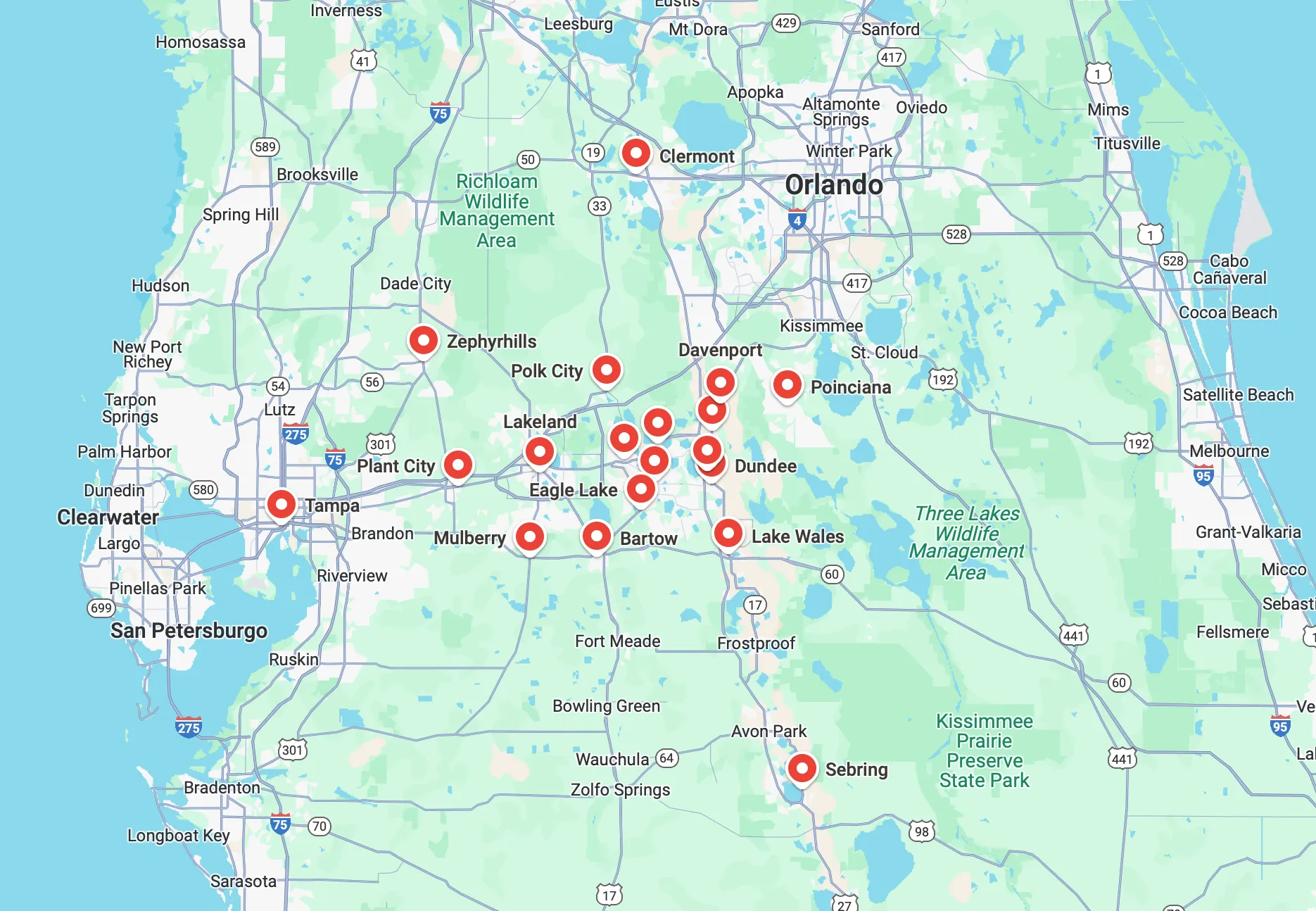
Service Areas