Furnace Repair in Lake Wales, FL
Heating Furnace Repair in Lake Wales, FL
A reliable heating system matters even in Lake Wales, FL where winters are mild but unpredictable. When your furnace underperforms or fails, the result is discomfort, higher energy bills, and potential safety hazards.
.jpeg)
Why timely furnace repair matters in Lake Wales, FL
Even though Central Florida sees relatively few prolonged cold spells, brief cold fronts and chilly nights make dependable heating important. Humidity and seasonal pollen in Lake Wales can accelerate corrosion and clog filters, which raises the risk of component failures. Prompt repair restores comfort, improves efficiency, and addresses safety risks like carbon monoxide leaks or gas valve malfunctions.
Common furnace symptoms homeowners report
- Uneven or weak airflow from vents, cold spots in rooms, or longer run cycles
- Furnace cycles on and off rapidly (short-cycling)
- Unusual noises: banging, rattling, squealing, or popping during startup and operation
- Failure to start: lights, fans, or burners not igniting
- Yellow or flickering pilot light, or recent changes in exhaust color or odor
- Increased energy bills with no change in thermostat settings
- Frequent tripping of breakers or blown fuses related to the furnace circuit
- Visible rust, water stains, or condensation around the furnace area
Diagnostic procedures technicians use
- Visual safety inspection: looking for rust, loose wiring, blocked vents, and proper combustion air supply
- Thermostat and control checks: verify setpoints, calibration, wiring continuity, and control board error codes
- Electrical testing: measure voltage and amperage for blower motors, capacitors, and transformers
- Ignition and flame testing: inspect hot surface ignitors, pilot assemblies, flame sensors, and burners for proper ignition and flame quality
- Combustion analysis (for gas-fired units): check combustion efficiency, flue draft, and carbon monoxide levels when applicable
- Airflow and duct assessment: measure static pressure and inspect return/ supply ducts and filters for blockages
- Leak and corrosion checks: examine heat exchanger for cracks, and look for signs of rust or gas leaks
These steps identify the root cause so repairs address the failure rather than just symptoms.
Typical repair tasks and parts commonly replaced
- Filter replacement and duct cleaning to restore airflow and efficiency
- Ignitor or pilot assembly replacement when the furnace will not light
- Flame sensor cleaning or replacement to stop nuisance shutdowns
- Blower motor or capacitor replacement when airflow is weak or the motor hums and stalls
- Limit switch, pressure switch, or control board replacement when cycling or safety trips occur
- Gas valve servicing or replacement for irregular fuel flow or ignition problems
- Replacing burners or cleaning for poor combustion or soot buildup
- Repairing or replacing a cracked heat exchanger when detected (often a major repair or replacement decision)
- Sealing or insulating ducts where leaks reduce heating performance
Expected timelines and cost factors
- Initial diagnostic inspections commonly take one service visit (often 30–90 minutes) to determine fault and outline options.
- Minor repairs and part swaps (filters, sensors, ignitors, capacitors) are often completed the same day if parts are available.
- Repairs requiring special-ordered parts, control boards, or a replacement heat exchanger can extend the timeline by several days until parts arrive.
- Complexity, age of the furnace, accessibility, and whether it shares components with an air conditioning system influence time and labor.
- Cost varies significantly with the part replaced and labor required; simple fixes are more budget-friendly while major component replacement or full system replacement is higher. A clear estimate is typically provided after diagnostic testing so you know the options and long-term implications.
Emergency and after-hours repair considerations
- Gas smell, persistent yellow pilot flame, or carbon monoxide alarm activation require immediate action: ventilate the space and follow safety protocols; these are prioritized as emergency repairs.
- After-hours services typically focus on safety-critical fixes to restore a safe environment and temporary measures until full repair is feasible.
- Response times for emergencies depend on technician availability and local routing; expect triage for dangerous conditions first and scheduled appointments for nonurgent repairs.
Warranty and documentation to keep
- Manufacturer parts carry varying warranties; labor warranties are often shorter and may be offered by the service provider. Keep equipment model/serial numbers, installation dates, and service records.
- If your furnace is still under manufacturer or extended warranty, register the equipment and provide service history when requesting covered repairs.
- For replaced parts, request written documentation of part numbers, warranty length, and any labor guarantee. This simplifies future claims and resale value.
Preventive maintenance to avoid repeat issues
- Change filters regularly (every 1–3 months depending on household dust, pets, and seasonal pollen).
- Schedule annual or biannual furnace tune-ups before the cooler months to inspect combustion, clean burners, calibrate controls, and test safety devices. In Lake Wales, scheduling ahead of seasonal temperature swings is effective.
- Keep vents and returns unobstructed and maintain a clear work area around the furnace to prevent airflow restrictions and heat buildup.
- Maintain proper drainage and address any water intrusion or high indoor humidity that can corrode components.
- Install and test carbon monoxide detectors near sleeping areas and the furnace location to ensure early detection of combustion issues.
- Track energy use and unusual noises or cycling patterns—early detection often reduces repair costs.

Customer Testimonials
Discover why our customers love us through their heartfelt testimonials.

Stephen J.
Great company all the way around! I have been using these guys for about 15 years now and have nothing but good things to say about them. They just installed a new unit in my house and I was very pleased with the price and the quality of work. Give them a call you will not regret it!!
Andrea R.
This is one of the most professional companies I have dealt with in a long time. They keep their appointments and communicate any delays asap. Service is top notch! I would recommend them to anyone!
Lisa R.
I’ve never had a business promise, something and then fulfill it until Newbern Air Conditioning. I needed a new air handler, I was quoted a price, And they told me they would wait on me to let them know when I could do it. They also told me when they ordered it. They would install it the day after it came in and they did just that. They are dependable and trustworthy.
Garrett L.
Great folks! They installed a couple units for me almost 2 years ago. One unit started blowing warm air, so I called in a repair around 9:00 a.m. They repaired a poorly seated compression fitting and had it going by 2:30 p.m. the same day under warranty. That says a lot about their work ethics and willingness to stand behind their work.
Matthew M.
Great company i would give more than five stars if it gave me the option, Christopher is a great guy and helped me out alot and works with you. 100 percent beat pricing and work around, if you need any a/c needs come to this place. I appreciate it so much
Kimberly G.
This is your AC company! Any problem we have ever had they have been fast and so professional. New unit was installed today and his crew was amazing and polite just like him! If I could give 10 stars I would! Thank you!!!
Service Areas
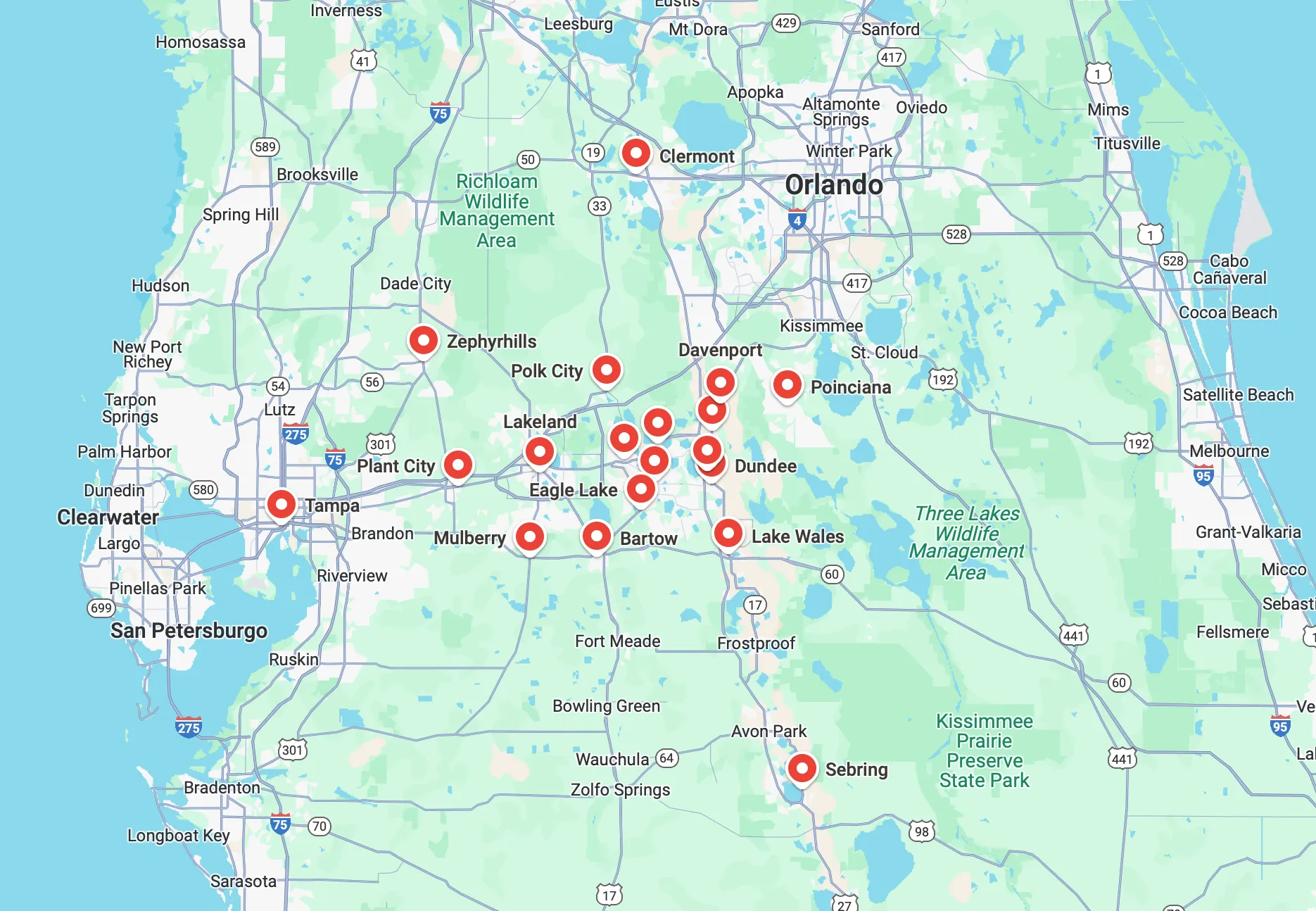
Not sure if we cover your neighborhood? Give us a quick call we’ll let you know in seconds.