Furnace Repair in Eagle Lake, FL
Heating Furnace Repair in Eagle Lake, FL
When your furnace fails, even the mild winters in Eagle Lake can feel uncomfortable and unsafe. Professional Heating Furnace Repair in Eagle Lake, FL focuses on diagnosing malfunctioning furnaces quickly, restoring safe operation, and preventing repeat breakdowns.
Why timely furnace repair matters in Eagle Lake, FL
Although central Florida winters are generally mild, Eagle Lake experiences occasional cold snaps and overnight lows that make a working furnace essential for comfort and health. Regional factors that affect furnaces here include high humidity that can accelerate corrosion of metal components, storm-related power outages that stress controls and ignition systems, and homes with mixed HVAC setups where furnaces share ducts or electrical circuits with cooling equipment. Prompt repairs reduce safety risks such as carbon monoxide exposure, avoid costly secondary damage, and restore efficient heating quickly.
Common Heating Furnace Repair issues in Eagle Lake, FL
- No heat or intermittent heat: could be thermostat, ignition, fuel supply, or airflow problems.
- Strange noises: rattles, squeals, or booming sounds often point to blower motor wear, loose panels, or delayed ignition.
- Pilot light or electronic ignition failures: common in older units and after power surges from storms.
- Frequent cycling or short cycling: often caused by a dirty filter, blocked vents, or malfunctioning limit switches.
- Blower motor or fan issues: reduced airflow from failing motors, capacitors, or belts.
- Fuel supply problems: interrupted natural gas or propane flow, gas valve issues, or pressure irregularities.
- Odors or suspected leaks: gas smells, burning odors, or moldy scents from ducts require immediate safety checks.
- Control board or sensor failures: modern furnaces rely on electronics that can fail after power events or age.
Diagnostic process: how technicians identify the problem
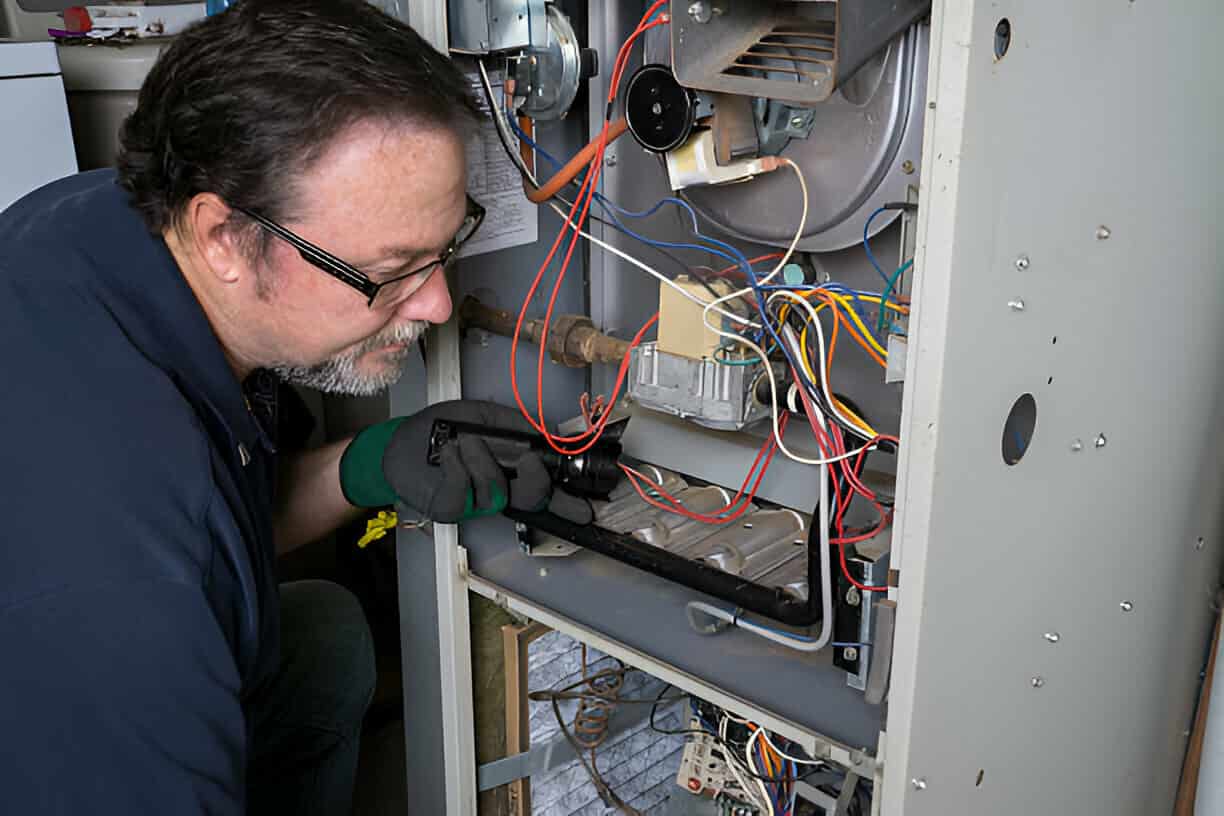
A structured diagnostic approach minimizes unnecessary parts replacement and gets systems back up faster. Typical diagnostic steps include:
- Visual and safety inspection of the furnace cabinet, vents, and surrounding area.
- Thermostat verification and system cycle testing to reproduce symptoms.
- Electrical checks for proper voltage, current draw, and control signals.
- Ignition and combustion analysis for gas furnaces to confirm safe operation and efficiency.
- Airflow and duct inspection to rule out blockages, closed registers, or a restricted return.
- Component testing - flame sensor, limit switch, blower motor, capacitor, control board.
- Documentation of findings and a recommended repair plan that prioritizes safety.
Diagnostics in most cases are completed on-site in a single visit. Technicians will explain which components have failed, which are repairable, and when replacement is the more reliable option.
Repairs and parts replacement
Common furnace repair and replacement options include:
- Ignition systems: clean or replace pilot assemblies, hot surface igniters, or spark modules.
- Flame sensors and burners: clean, align, or replace to ensure stable combustion.
- Blower motors and capacitors: repair or replace to restore airflow and eliminate noisy operation.
- Control boards and relays: replace malfunctioning electronics for consistent cycling and safety interlocks.
- Limit switches and pressure switches: adjust or replace to prevent overheating and short cycling.
- Gas valves and regulators: replace or test for safe fuel delivery when required.
- Heat exchanger assessment: cracked or severely corroded heat exchangers typically require full furnace replacement due to safety risk.
Decisions between repair and replacement are based on safety, expected remaining service life of the furnace, and long-term cost-effectiveness. In Eagle Lake homes where humidity accelerates component wear, technicians often recommend proactive replacement of severely corroded parts rather than temporary fixes.
Emergency repair options and storm readiness
Eagle Lake’s weather can trigger urgent heating problems during cold nights or after storms. Emergency repair options typically include:
- After-hours diagnostic and safety checks for suspected gas leaks or carbon monoxide concerns.
- Temporary repairs to restore heat safely until permanent parts can be obtained.
- Prioritizing systems serving vulnerable residents such as seniors or small children.
- Coordination advice for homes using backup generators to avoid electrical damage to HVAC controls.
If power instability or storm damage is common in your area, technicians may advise surge protection for furnace controls and a post-storm inspection to catch hidden damage.
Expected timelines and cost factors
- Typical on-site diagnostics: usually completed within 45 to 90 minutes.
- Common repairs (ignition, sensors, blower capacitor): often completed the same day when parts are on hand.
- Complex repairs (heat exchanger, control board, or hard-to-find parts): may require ordering components and scheduling a follow-up visit within several days.
Cost variability is influenced by the furnace age, parts required, labor complexity, and whether emergency service is needed. A reliable repair plan will outline priority actions, options, and the expected timeline for completion without unnecessary work.
Technician qualifications and safety standards
Qualified furnace technicians servicing Eagle Lake furnaces commonly hold:
- State or local HVAC licenses and certifications where required.
- NATE (North American Technician Excellence) or equivalent industry credentials for proven competence.
- Manufacturer-specific training for high-efficiency furnace models and modern electronic controls.
- Gas fitting or combustion appliance certification for work on natural gas or propane systems.
- Use of combustion analyzers, carbon monoxide detectors, and proper personal protective equipment during inspections.
Technicians should follow safety protocols for gas leak detection, combustion venting, and carbon monoxide testing before returning the furnace to service.
Warranty, safety checks, and documentation
Professional furnace repairs should include:
- Clear documentation of diagnostic findings and parts installed.
- Verification that safety devices function correctly: flame rollout switches, limit switches, pressure reliefs, and venting integrity.
- Recommendations about manufacturer warranties or parts warranty coverage where applicable.
- A checklist of completed safety tests such as carbon monoxide levels, combustion efficiency for gas furnaces, and electrical safety verifications.
Maintaining records of repairs supports warranty claims and helps track recurring issues in humid climates like Polk County.
Preventive maintenance guidance for Eagle Lake homes
Routine maintenance extends furnace life and reduces emergency repair needs:
- Annual heating inspection before the cooler months to check combustion, controls, and seals.
- Replace or clean filters every 1 to 3 months depending on use and indoor air quality.
- Keep the outdoor area around combustion vents and intake grills clear of vegetation and debris.
- Address unusual noises or odors promptly to avoid escalation.
- Consider a combined HVAC tune-up if your home uses shared ductwork for heating and cooling.
Regular maintenance is especially important in Eagle Lake where humidity and occasional storms can stress components.

Customer Testimonials

Service Areas