Heating Furnace Maintenance in Lake Alfred, FL
Heating Furnace Maintenance in Lake Alfred, FL
Keeping your heating furnace well maintained matters even in Lake Alfred, FL. While Central Florida winters are milder than northern climates, cold snaps, overnight lows, and humidity swings still place stress on heating systems that are used intermittently. Proper furnace maintenance improves reliability, extends equipment life, reduces energy use, and keeps your home safe from carbon monoxide and other hazards.
.jpeg)
Why furnace maintenance matters in Lake Alfred, FL
- Intermittent use: Furnaces in Florida often sit idle for long stretches, which can allow dust, nests, or corrosion to develop and create startup problems when needed.
- Humidity and pollen: High humidity and seasonal pollen loads in Polk County accelerate filter clogging and can encourage biological growth in ductwork and drip pans.
- Energy sensitivity: Even small inefficiencies show up on utility bills when furnaces operate during cold snaps. Proper tuning preserves efficiency.
- Safety: Fuel-burning furnaces require periodic inspection to prevent leaks, flame instability, and carbon monoxide risks.
Common furnace problems in Lake Alfred homes
- Dirty or clogged filters causing reduced airflow and overheating.
- Burners with soot buildup or irregular flames from infrequent use.
- Cracked or corroded heat exchangers, especially in older units, posing safety risks.
- Ignition or pilot control failures after long idle periods.
- Faulty or loose electrical connections leading to intermittent operation or safety trips.
- Condensate or drain issues when furnaces are paired with high-efficiency equipment.
- Rodent or insect nests in vents and plenum areas, common in quieter seasons.
Routine furnace maintenance services
Routine furnace maintenance is a set of inspections and minor services designed to catch problems early and optimize performance. Typical components include:
- Seasonal tune-up
- Visual inspection of the entire furnace and surrounding area.
- Check and calibrate thermostat operation.
- Test startup sequence and run the system through a full cycle.
- Filter inspection and replacement
- Replace or recommend filter types and replacement intervals based on home conditions and occupancy.
- Advise on higher-efficiency filters when indoor air quality or allergies are concerns.
- Burner and heat exchanger inspection
- Examine burners for proper flame pattern and soot accumulation.
- Inspect the heat exchanger for cracks, corrosion, or signs of leakage that can cause carbon monoxide entry.
- Safety and carbon monoxide checks
- Test safety controls, limit switches, and venting for proper operation.
- Use gas and carbon monoxide detectors and combustion analyzers to verify safe operation.
- Lubrication and mechanical adjustments
- Lubricate motors and bearings where applicable.
- Tighten belts, pulleys, and fasteners to reduce noise and wear.
- Electrical connections and controls
- Inspect and tighten electrical terminals.
- Test capacitors, transformers, relays, and control boards.
- Efficiency optimization
- Adjust gas pressure and burner settings where appropriate.
- Clean flame sensors and ignition components for reliable starts.
- Documentation and recommendations
- Provide a written summary of findings and prioritized repair recommendations.
- Note items affecting efficiency, safety, or warranty compliance.
Typical diagnostic process during a maintenance visit
Technicians follow a systematic sequence to ensure a thorough inspection and reliable results:
- Pre-inspection walk-through to note accessibility and system history.
- Replace filters and visually clean accessible components.
- Start the furnace and observe ignition, flame, and venting behavior.
- Use diagnostic tools such as manometers, combustion analyzers, and CO detectors to measure performance and safety parameters.
- Inspect heat exchanger, burners, and flue for signs of damage or blockage.
- Check electrical control systems, thermostats, and safety interlocks.
- Run system through a full heating cycle and log operating temperatures and pressures.
- Review findings and maintenance recommendations in plain language for the homeowner.
Most maintenance visits can be completed within 45 to 90 minutes depending on the furnace age and complexity.
Furnace maintenance plans and recurring service in Lake Alfred
Recurring maintenance is the most effective way to ensure long-term reliability. Typical maintenance plans available from professional HVAC providers include:
- Annual or biannual scheduled tune-ups timed before the heating and cooling seasons.
- Priority scheduling for members during peak service periods and cold snaps.
- Reminder systems such as calendars or email notifications to keep service on schedule.
- Discounted diagnostic rates or parts pricing for enrolled equipment.
- Documentation that helps preserve manufacturer warranty requirements.
For Lake Alfred homeowners, an annual tune-up ahead of the cool season is a common recommendation. Homes with older furnaces, pets, or high pollen loads may benefit from more frequent inspections.
Expected benefits of regular furnace maintenance
- Greater reliability and fewer inconvenient breakdowns during cold nights.
- Lower energy bills through improved combustion efficiency and proper airflow.
- Extended equipment life by reducing wear on motors, burners, and controls.
- Safer operation with reduced risk of carbon monoxide leaks or gas issues.
- Cleaner indoor air and fewer allergy triggers from properly maintained filters and ducts.
- Better retention of manufacturer warranties through documented service.
Simple maintenance tips for Lake Alfred homeowners
- Replace or clean filters every 1 to 3 months depending on filter type and household conditions.
- Keep the furnace area clear of storage, vegetation, and debris to maintain airflow and safe clearance.
- Test carbon monoxide detectors monthly and replace batteries as recommended.
- Schedule a pre-season inspection to catch issues before they become urgent.
- If your home uses a heat pump or dual-fuel system, maintain both systems on a coordinated schedule to ensure smooth seasonal transitions.
- Watch for early warning signs such as unusual noises, odours, short cycling, or higher-than-normal utility use.
Regular heating furnace maintenance in Lake Alfred, FL addresses local climate and usage patterns to keep your system running safely and efficiently. A documented maintenance routine helps protect your investment, provides peace of mind during cooler months, and prevents small issues from becoming costly repairs.

Customer Testimonials

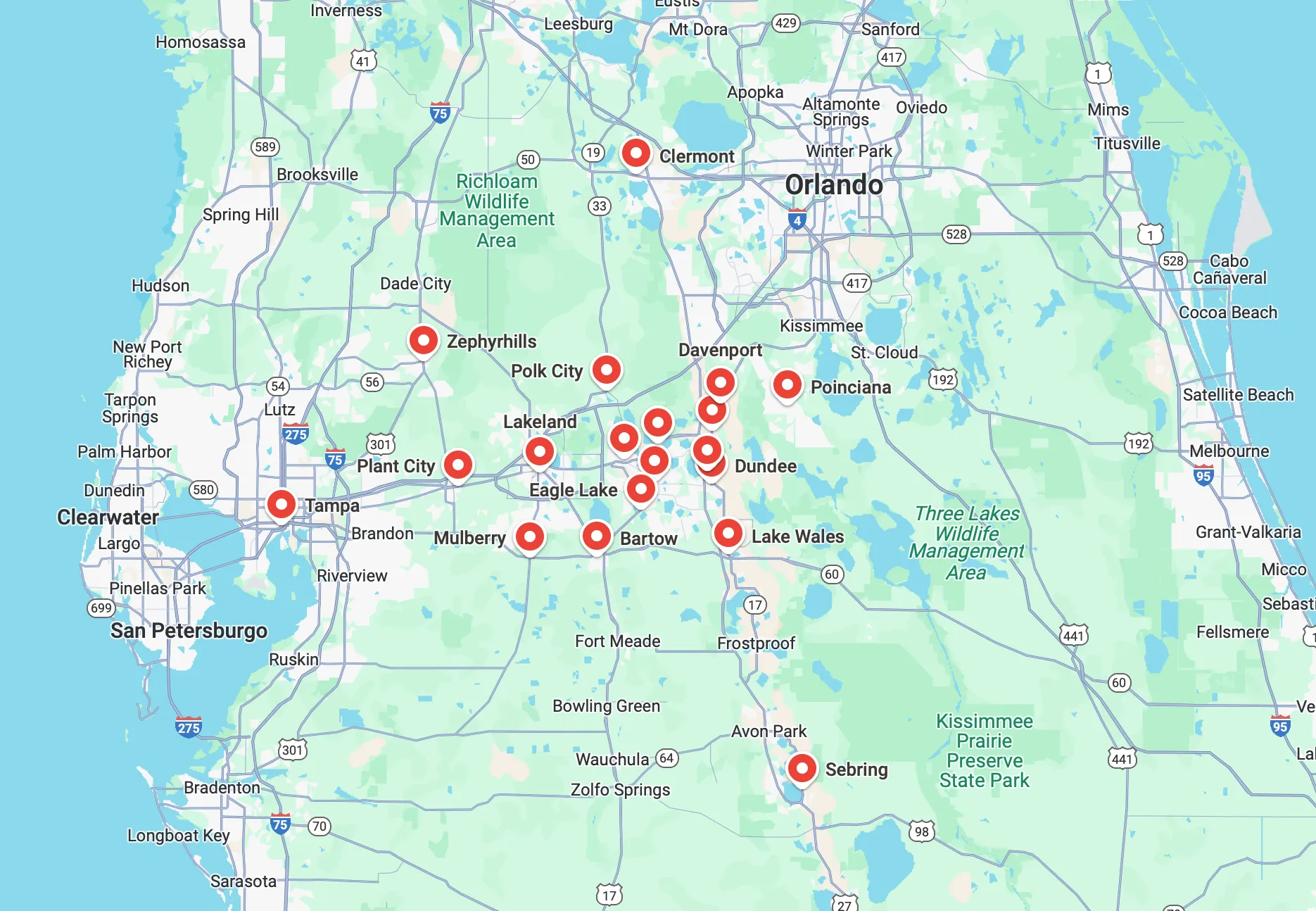
Service Areas