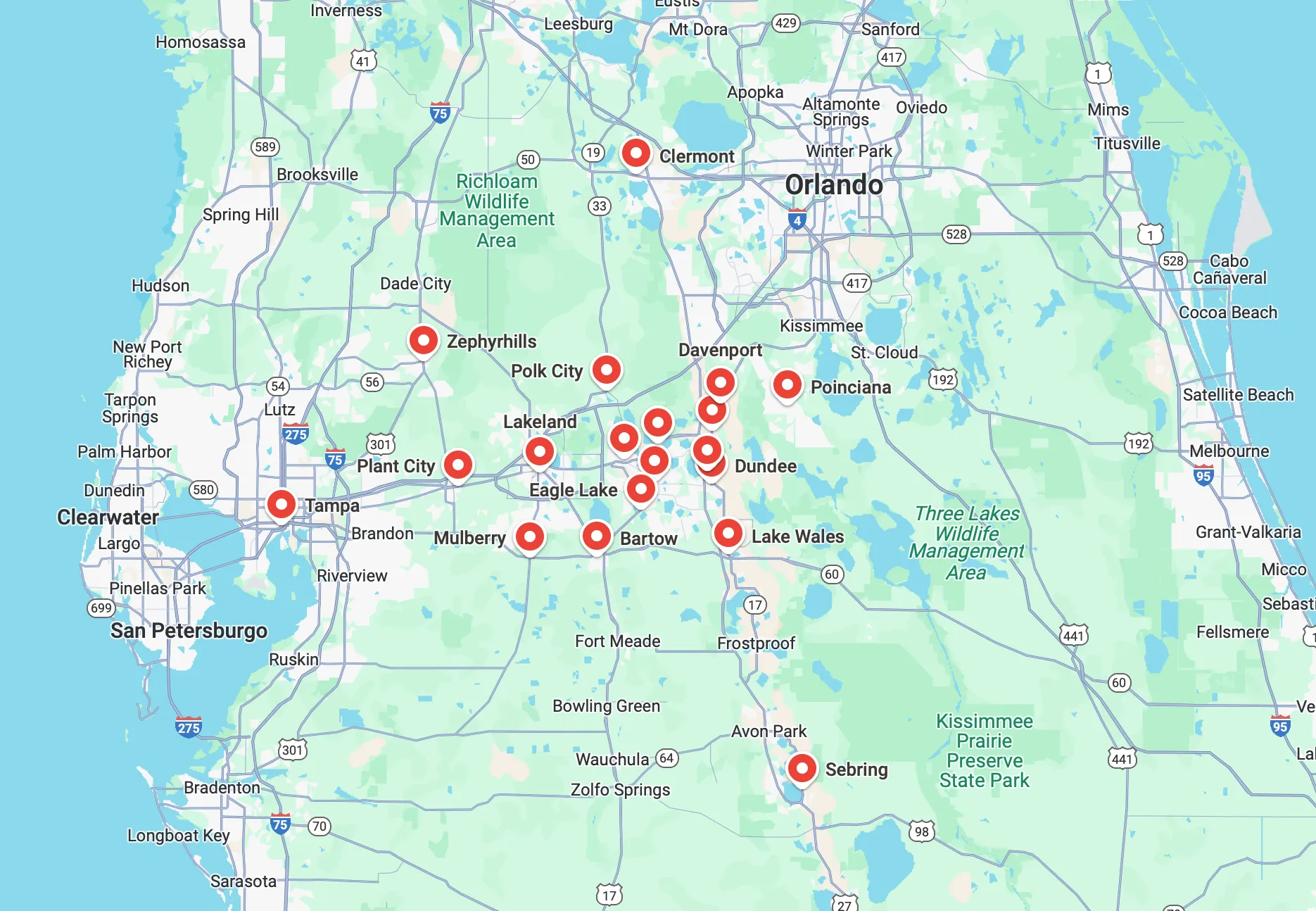
Furnace Installation in Eagle Lake, FL
Heating Furnace Installation in Eagle Lake, FL
Installing a new heating furnace in Eagle Lake, FL requires more than swapping equipment. Even though winters are mild, properly sized and installed heating systems improve comfort during cool months, reduce energy waste, and protect indoor air quality in humid Central Florida homes.
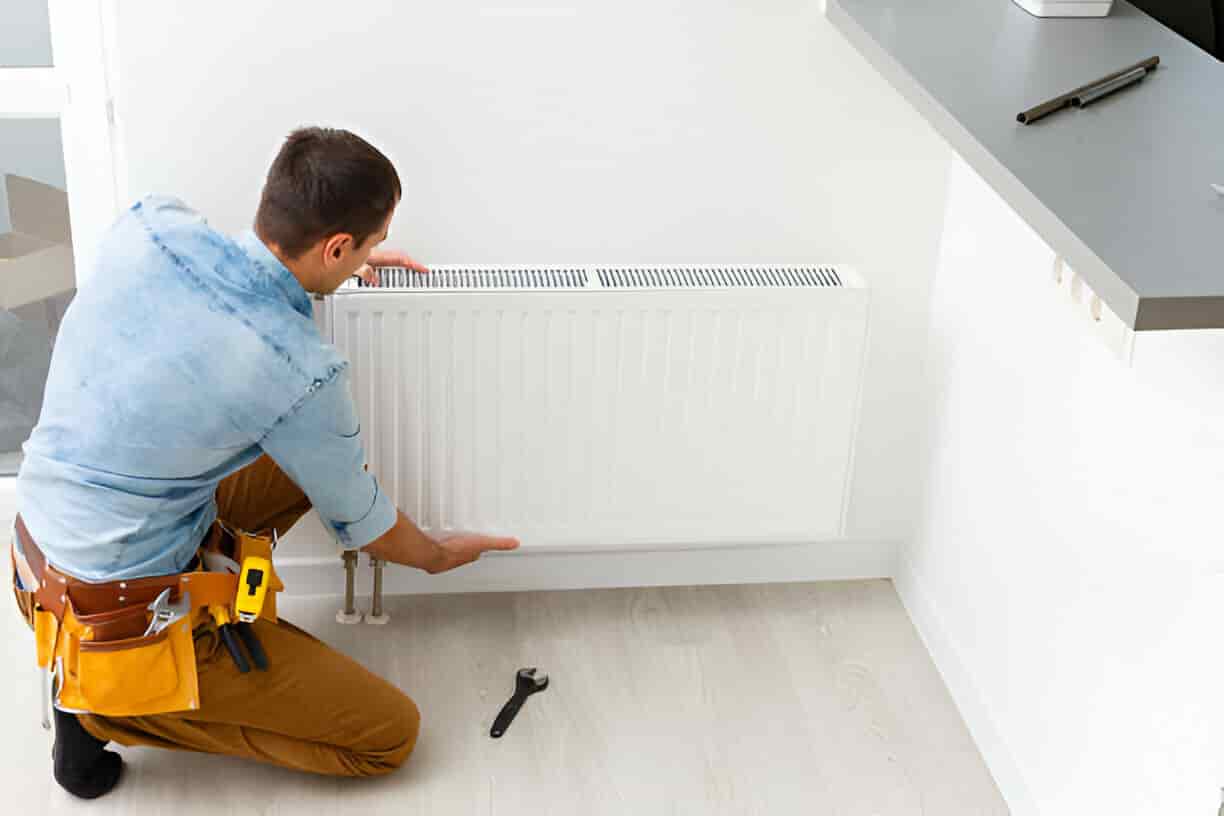
Why a proper furnace installation matters in Eagle Lake, FL
Eagle Lake homes face unique conditions: short but sometimes chilly winters, high year-round humidity, and attics that can reach extreme temperatures in summer. Oversized systems short cycle in mild winters, reducing comfort and increasing wear. Undersized units fail to maintain stable temperatures. Proper installation addresses:
- Right-sizing for local heating load and thermostat setback patterns
- Ductwork efficiency in unconditioned attics or crawlspaces common to the area
- Combustion air and ventilation needs for gas or propane systems
- Corrosion-resistant materials and drainage practices to handle humidity
Common furnace needs and issues in Eagle Lake, FL
Homeowners who seek new furnace installation often report:
- Short cycling during brief cold snaps due to oversized equipment
- Poor heating distribution from leaky or poorly insulated ducts
- Concerns about combustion safety and carbon monoxide in homes with gas or propane
- Higher-than-expected energy use during winter months
- Integration needs for existing HVAC systems, like pairing a furnace with central air or a heat pump
System selection: fuel type and efficiency ratings
Choosing the right system begins with understanding fuel availability and efficiency tradeoffs for Eagle Lake:
- Natural gas or propane furnaces: Common where gas or propane service is available. Higher AFUE (Annual Fuel Utilization Efficiency) furnaces offer better fuel-to-heat conversion. Consider sealed combustion units for safety and indoor air quality.
- Electric furnaces: Simpler and often used where fuel lines are not available, but may be more expensive to operate unless paired with efficient electricity rates or solar.
- Heat pumps and dual-fuel systems: Because of Florida’s mild winters, high-efficiency heat pumps are often the most economical for year-round comfort. Dual-fuel systems combine a heat pump with a furnace for backup heat in rare extremes and can be an efficient compromise.
- Efficiency ratings: For furnaces, AFUE should be considered along with lifetime operating costs. For heat pumps, look at HSPF and SEER ratings. Local usage patterns in Eagle Lake favor systems that prevent short cycling and maximize seasonal efficiency.
Site evaluation and right-sizing (Manual J)
A professional site evaluation is essential to avoid common installation mistakes:
- Heat load calculation: A Manual J calculation considers home size, insulation, window type, orientation, occupancy, and local climate data for Eagle Lake to determine exact capacity needs.
- Equipment location: Evaluate attic, crawlspace, garage or closet mounting options. Attic installations need extra attention to insulation and service access.
- Duct assessment: Inspect for leaks, insulation condition, and balance to determine whether duct repairs or upgrades are needed before installation.
- Venting and combustion air: For fuel-fired furnaces, ensure adequate combustion air and correct venting path in compliance with local codes.
Professional installation procedures
A professional installation follows a structured process to ensure performance and safety:
- Pre-install preparation: Confirm permits, obtain equipment specifications, and prepare the installation area. Protect floors and landscaping during equipment delivery and access.
- Old equipment removal: Safely disconnect and remove the existing unit, managing refrigerant reclamation if applicable and disposing of materials per local regulations.
- Mechanical installation: Install the furnace on a proper pad or platform, connect gas or fuel lines, electrical service, and control wiring. Ensure secure fastening and vibration isolation where needed.
- Duct and airflow integration: Connect to existing ductwork or install new trunk lines. Balance static pressure to manufacturer specifications to avoid restricted airflow.
- Venting and flue work: Install vent pipes, draft hoods, and termination points. For sealed combustion units, verify intake and exhaust installations meet code and clearances.
Ductwork and venting considerations for Eagle Lake homes
Ductwork performance is especially important in Central Florida:
- Insulation: Attic ducts should be insulated to reduce thermal losses and condensation risk during summer and to maintain efficiency in winter.
- Sealing: Use mastic or UL-rated tape to seal joints. Even small leaks can cut efficiency and cause uneven heating.
- Return air design: Adequate return paths prevent pressure imbalances that can pull humid attic air into the living space.
- Drainage: Ensure proper condensate drainage for systems that produce condensation; high humidity can lead to frequent condensate production in transitional seasons.
Safety inspections, commissioning, and start-up
After physical installation, thorough testing confirms safe operation and peak performance:
- Combustion and carbon monoxide checks: Test burner operation, CO levels, and safety shutoffs for gas or propane systems.
- Electrical and control verification: Confirm thermostat calibration, control wiring, and sequencing with other HVAC components.
- Airflow and temperature testing: Measure supply and return temperatures, static pressure, and airflow to verify design performance.
- Commissioning: Walkthrough of system operation, review of warranty documents, and demonstration of basic controls. Recommend installing or verifying carbon monoxide detectors in living spaces.
Warranty registration and documentation
Registering warranties and maintaining documentation protects your investment:
- Manufacturer warranty: Complete registration within the specified timeframe to maintain full warranty coverage.
- Installation documentation: Keep copies of heat load calculations, system specifications, commissioning reports, and permit approvals for future service or resale disclosure.
- Service records: Log each maintenance visit and filter changes to support warranty claims and to extend equipment life.
Maintenance tips after installation
Regular maintenance keeps a new furnace running efficiently in Eagle Lake:
- Replace or clean filters monthly during heavy use seasons to prevent airflow restriction and humidity issues.
- Schedule annual inspections for fuel-fired furnaces and heat pumps to check combustion, electrical components, and refrigerant levels where applicable.
- Check ductwork and insulation in attics after summer to catch any new leaks or damage caused by seasonal temperature swings.
- Monitor thermostat settings and avoid excessive setback cycles that can cause short cycling in mild climates.
- Keep vents and returns clear of furniture and debris to maintain balanced airflow.
Long-term benefits of a professionally installed furnace
A properly selected and installed heating system improves comfort, reduces operating costs over time, and enhances indoor air quality. In Eagle Lake, FL, appropriate equipment choices and attention to ductwork and humidity management are key to maximizing those benefits while minimizing service calls and premature replacements. Proper documentation, regular maintenance, and adherence to safety standards protect both the system and the household over the long term.

Customer Testimonials

Service Areas