Furnace Installation in Dundee, FL
Heating Furnace Installation in Dundee, FL
Installing a heating furnace in Dundee, FL requires more than swapping equipment. Even though Central Florida winters are mild compared with northern states, properly sized and installed heating systems improve comfort during cold snaps, reduce humidity-related issues, and maintain indoor air quality year-round.
.webp)
Why a professional furnace installation matters in Dundee, FL
- Florida’s humid subtropical climate means homes face temperature swings and persistent humidity. A correctly installed furnace works with your cooling system to manage indoor comfort efficiently.
- Undersized or oversized units short-cycle, increasing wear and energy use. Accurate sizing and ductwork balance are essential for consistent temperature and humidity control.
- Local building codes and permitting (Florida Building Code plus Polk County/Dundee requirements) are enforced. Professional installers handle compliance and inspections to avoid costly rework.
Common heating furnace issues in Dundee, FL homes
- Inadequate heating during rare cold snaps due to poor sizing or worn components.
- High energy bills from low-efficiency units or improper installation.
- Uneven heating and hot/cold spots caused by leaky, undersized, or poorly insulated ducts.
- Indoor air quality problems from dirty ducts, clogged filters, or excess humidity.
- Safety risks like carbon monoxide leaks in combustion furnaces when venting or combustion air is compromised.
Step 1 - Home heating load assessment (Manual J)
A precise heating load assessment is the foundation of a successful furnace installation. Technicians perform a Manual J calculation to determine the exact heat loss of your home based on:
- Square footage, ceiling heights, insulation levels, and window types
- Orientation, shading, and air infiltration rates
- Local climate data (Dundee’s average winter temperatures and humidity)
- Occupancy and typical thermostat setpoints
The result guides unit capacity selection so your furnace runs efficiently without short cycling.
Step 2 - Unit selection guidance
Choosing the right type and efficiency level matters for long-term comfort and cost:
- Fuel types: In Dundee, common options include electric furnaces and propane or natural gas furnaces where gas service is available. Many homes use heat pumps for both heating and cooling; in some cases a furnace is installed as a supplemental or backup heat source.
- Efficiency: Look at AFUE ratings for furnaces. Higher AFUE units cost more up-front but save on operating costs in the long run. For heat pumps, SEER and HSPF ratings are the efficiency measures.
- Compatibility: Match the furnace to existing HVAC components (air handler, duct size, electrical and gas supply) or plan upgrades if needed.
- Sizing: Follow the Manual J result. Installers should avoid oversized units and recommend options that meet the calculated heating load.
Step 3 - Ductwork and venting considerations
Proper ductwork and venting are essential in Florida homes to control humidity and distribute heat evenly:
- Duct inspection: Check for leaks, disconnected runs, crushed ducts, and inadequate insulation. Even modest leaks can reduce system efficiency significantly.
- Duct design: Manual D sizing ensures proper airflow (CFM) to each room. In retrofit situations, some duct modifications may be necessary.
- Venting for combustion units: Gas or propane furnaces require correct venting and combustion air supply. High-efficiency furnaces may use PVC venting; older flue systems may need replacement.
- Condensation control: In Florida’s humidity, ensure condensate drainage for high-efficiency equipment and inspect for potential mold growth where ducts are in humid spaces.
Step 4 - Permitting and code compliance
Installers should pull the required permits and meet Florida Building Code and local Polk County/Dundee regulations. Typical permit-related steps include:
- Submitting equipment specifications and load calculations
- Scheduling inspections for gas connections, electrical work, and final system commissioning
- Ensuring combustion safety clearances, venting materials, and carbon monoxide detector placement meet code
Adhering to code protects your home, maintains insurance compliance, and preserves resale value.
Step 5 - Installation and commissioning (step-by-step)
A professional furnace installation typically follows these steps:
- Pre-install inspection and final equipment verification against the load calculation.
- Remove old equipment and prepare mounting area, including gas and electrical shutoffs as needed.
- Install furnace and connect to existing or updated ductwork, ensuring proper clearances.
- Complete gas, propane, or electrical hookups per code with correct materials and safety devices.
- Install and seal venting or flue systems, and configure combustion air inlets if required.
- Set up thermostat wiring and controls; integrate with existing HVAC controls or smart thermostats.
- Commission the system: perform airflow measurements, static pressure checks, gas pressure and combustion testing, and verify electrical integrity.
- Run safety tests, including carbon monoxide measurement for combustion equipment and verification of safety controls and limit switches.
Post-install testing and homeowner orientation
After commissioning, a comprehensive post-install testing and orientation ensures owners understand their system:
- Performance verification: Confirm the furnace reaches design output, airflow to rooms is balanced, and thermostat communicates properly.
- Safety checks: Show results of combustion and CO tests, and explain how safety controls work.
- User orientation: Demonstrate filter access and replacement, thermostat programming for comfort and efficiency, and condensate management.
- Documentation: Provide equipment model, serial numbers, manual, and recommended maintenance schedule for warranty and future service.
Warranty registration and record keeping
Register the new furnace with the manufacturer to activate warranty coverage. Keep a record of:
- Installation date and installer information
- Load calculations and permits
- Commissioning test results and inspection approvals
- Maintenance receipts
Proper registration and documented annual maintenance help preserve full warranty benefits.
Benefits of timely furnace installation and maintenance
- Improved year-round comfort and humidity control, especially during cold snaps and transitional seasons
- Lower energy bills through correct sizing, high-efficiency equipment, and well-sealed ducts
- Enhanced indoor air quality with proper filtration and reduced mold risk
- Safer operation for combustion furnaces with correct venting and CO controls
- Longer equipment lifespan through professional commissioning and regular maintenance
Maintenance tips for Dundee homeowners
- Schedule annual inspections and tune-ups before the cooling-to-heating transition.
- Change filters regularly and use the filter efficiency recommended by the manufacturer.
- Keep vents and returns unobstructed and inspect attic or crawlspace ducts for moisture or damage.
- Install and maintain carbon monoxide detectors near sleeping areas if you have combustion heating.
- Track energy use seasonally to spot performance declines early.
A properly planned and executed heating furnace installation in Dundee, FL delivers reliable warmth, better indoor air quality, and efficient operation tailored to local climate needs and code requirements.

Customer Testimonials

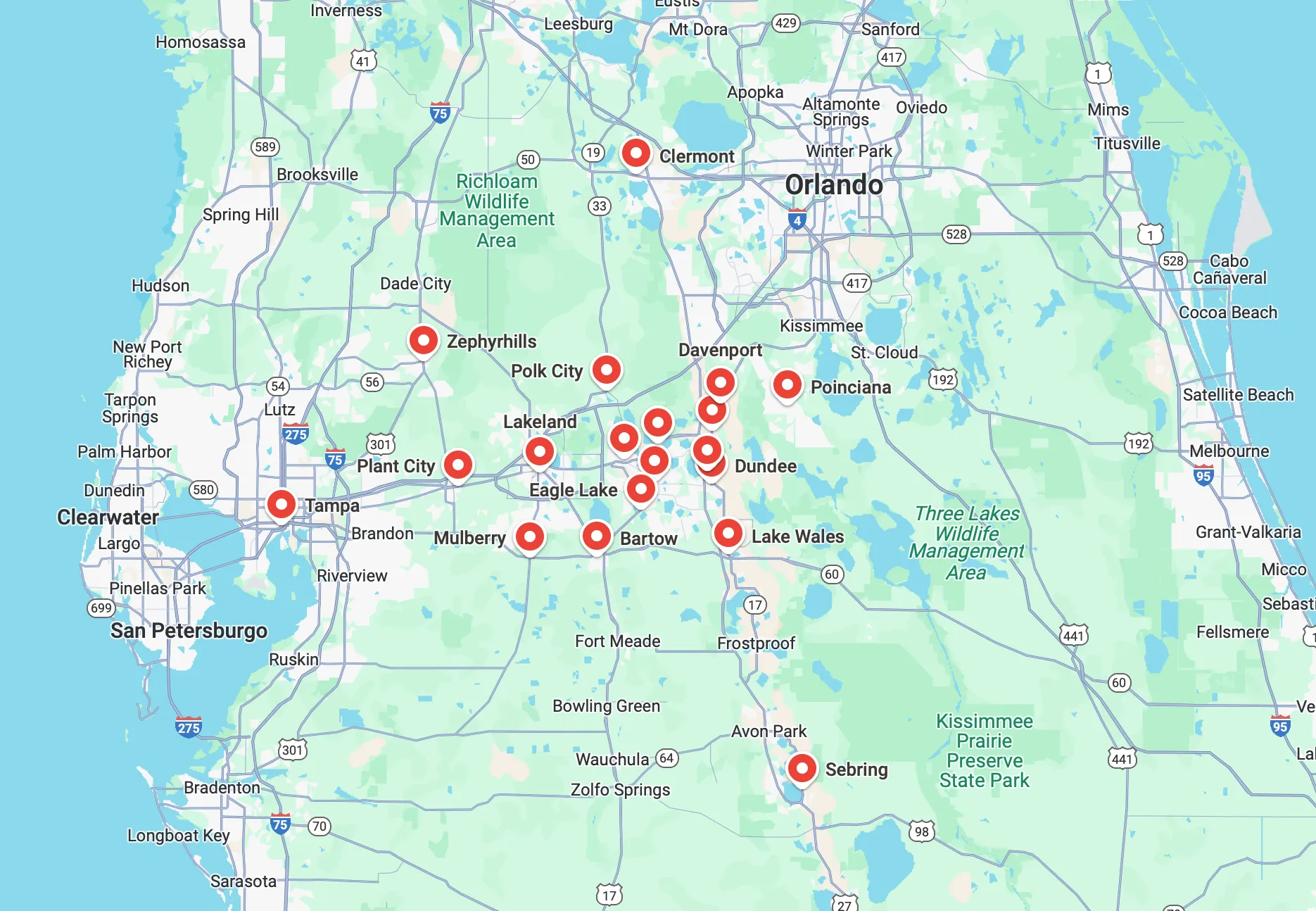
Service Areas