AC Tune-Up in Lakeland, FL
AC Tune-Up in Lakeland, FL
Keeping your air conditioner running reliably through Lakeland’s long, humid summers starts with a thorough AC tune-up. An annual professional tune-up addresses the components that wear, gets systems operating at peak efficiency, and reduces the chance of mid-season breakdowns. Below is what a typical air conditioner tune-up in Lakeland, FL includes, why it matters in this climate, common local issues, the step-by-step diagnostic process, and practical maintenance advice to extend equipment life and maximize comfort.
-min.jpeg)
What a full AC tune-up includes
A complete tune-up covers cleaning, inspection, testing, adjustment, and basic performance optimization. Typical items performed by a qualified technician:
- Outdoor condenser coil and condenser cleaning
- Remove debris, straighten fins, and clean buildup that reduces heat transfer.
- Indoor evaporator coil inspection and cleaning (as accessible)
- Improve airflow and reduce ice-up risk.
- Refrigerant check and pressure test
- Verify correct refrigerant charge and look for signs of leaks; adjust to manufacturer specifications.
- Electrical system testing
- Inspect wiring, contactors, relays, capacitors, and breakers for wear or unsafe conditions.
- Thermostat calibration and controls check
- Ensure the thermostat reads accurately and cycles properly.
- Lubrication of moving parts
- Oil motors and bearings where applicable to reduce friction and extend life.
- Airflow and blower performance
- Clean or inspect blower wheel, measure airflow, and check fan motor operation.
- Drain line and condensate pan inspection
- Clear clogs, check for slow drains and eliminate moisture-related problems.
- Safety controls and refrigerant safety
- Test safety switches, defrost controls (heat pumps), and monitor system pressures.
- Performance testing and temperature split
- Measure supply vs. return temps to confirm the system is cooling effectively.
- Visual inspection of duct connections and basic filter check
- Note obvious leaks or obstructions and confirm filter condition.
Why tune-ups are especially important in Lakeland, FL
Lakeland’s humid subtropical climate puts extra stress on cooling systems. Summers are hot and humid, pollen counts are high in spring, and frequent rainstorms and thunderstorms can increase the chance of electrical issues and water intrusion.
- High humidity forces longer run times and greater demand on compressors and fans.
- Pollen and mold spores circulating in spring can clog coils and filters faster than in drier climates.
- Afternoon storms and frequent lightning increase the risk of electrical component failures or power-surge damage.
- Salt is less of an issue inland, but persistent moisture accelerates corrosion on outdoor components.
Because of these factors, timely tune-ups prevent small issues from becoming expensive failures during peak heat.
Common AC tune-up issues in Lakeland homes
- Reduced cooling capacity caused by dirty coils or low refrigerant
- Short cycling from faulty capacitors, contactors, or thermostat problems
- Frozen evaporator coils due to airflow restriction or low refrigerant
- Clogged condensate drains causing water damage or mold growth
- Higher-than-normal electric bills from inefficient operation
- Noisy operation from worn bearings, loose panels, or failing motors
The diagnostic and service process (what to expect)
A professional tune-up follows a consistent diagnostic flow so issues are identified and corrected:
1. System start and basic observation
- Technician notes startup behavior, unusual noises, and visible issues.
2. Electrical inspection
- Power is cut, covers removed, wiring and terminals tested for continuity and tightness.
3. Airflow and filter check
- Return grille and filter condition assessed; airflow measured if needed.
4. Coil and condenser cleaning
- Outdoor unit cleared of debris; coils cleaned to restore heat exchange efficiency.
5. Refrigerant verification
- Pressures and superheat/subcooling measured to confirm charge; leaks identified visually or with detectors.
6. Component testing
- Capacitors, contactors, motors, and thermostats tested; weak components documented for repair.
7. Drain and pan maintenance
- Drain lines cleaned and trap checked to prevent overflow and mold.
8. Performance verification
- Temperature split measured, runtime monitored, and system adjustments made to optimize cycling and comfort.
Technicians will typically provide a clear report of findings, recommended repairs (if any), and maintenance items to track through the season.
Recommended frequency and timing
- Annual professional tune-up: Minimum once per year for most Lakeland homes, ideally performed in early spring before the cooling season begins. This timing helps catch and fix issues before summer demand peaks.
- Biannual service: Consider twice yearly for older systems (10+ years), homes with heavy pollen or pet dander, or properties with higher-than-normal runtime.
- Filter checks: Replace or clean filters every 1–3 months during high-use seasons.
Immediate benefits of a tune-up
- Improved efficiency: Clean coils and correct refrigerant reduce run time and energy use.
- Fewer breakdowns: Identifying worn electrical parts and weak components prevents emergency failures.
- Better comfort: More consistent temperatures and reduced humidity for improved indoor comfort.
- Extended equipment life: Regular maintenance reduces strain on major components, preserving the system longer.
- Healthier indoor air: Cleaner coils and properly functioning drains reduce mold and allergen circulation.
Simple maintenance tips for Lakeland homeowners
- Replace filters regularly and use the correct MERV rating for your system.
- Keep at least 2–3 feet of clearance around the outdoor unit; trim vegetation and remove grass clippings.
- Keep gutters and downspouts functioning to reduce standing water near exterior equipment.
- Use a programmable or smart thermostat to avoid unnecessary run time.
- Schedule your tune-up in spring to avoid the busiest HVAC months and ensure reliable cooling when temperatures rise.
When to schedule a tune-up sooner
If you notice any of the following, arrange professional attention before the hottest months:
- Unusual noises during startup or operation
- Noticeably higher energy bills without a change in usage
- Weak airflow, uneven cooling, or frequent cycling
- Leaks, frost on lines, or water pooling near the indoor unit
- Thermostat not responding or inaccurate temperature readings
A well-executed AC tune-up addresses these problems proactively, improving performance and lowering the risk of costly repairs during Lakeland’s demanding cooling season. Regular maintenance is the most effective way to keep your home comfortable, energy-efficient, and protected against climate-related wear.

Customer Testimonials

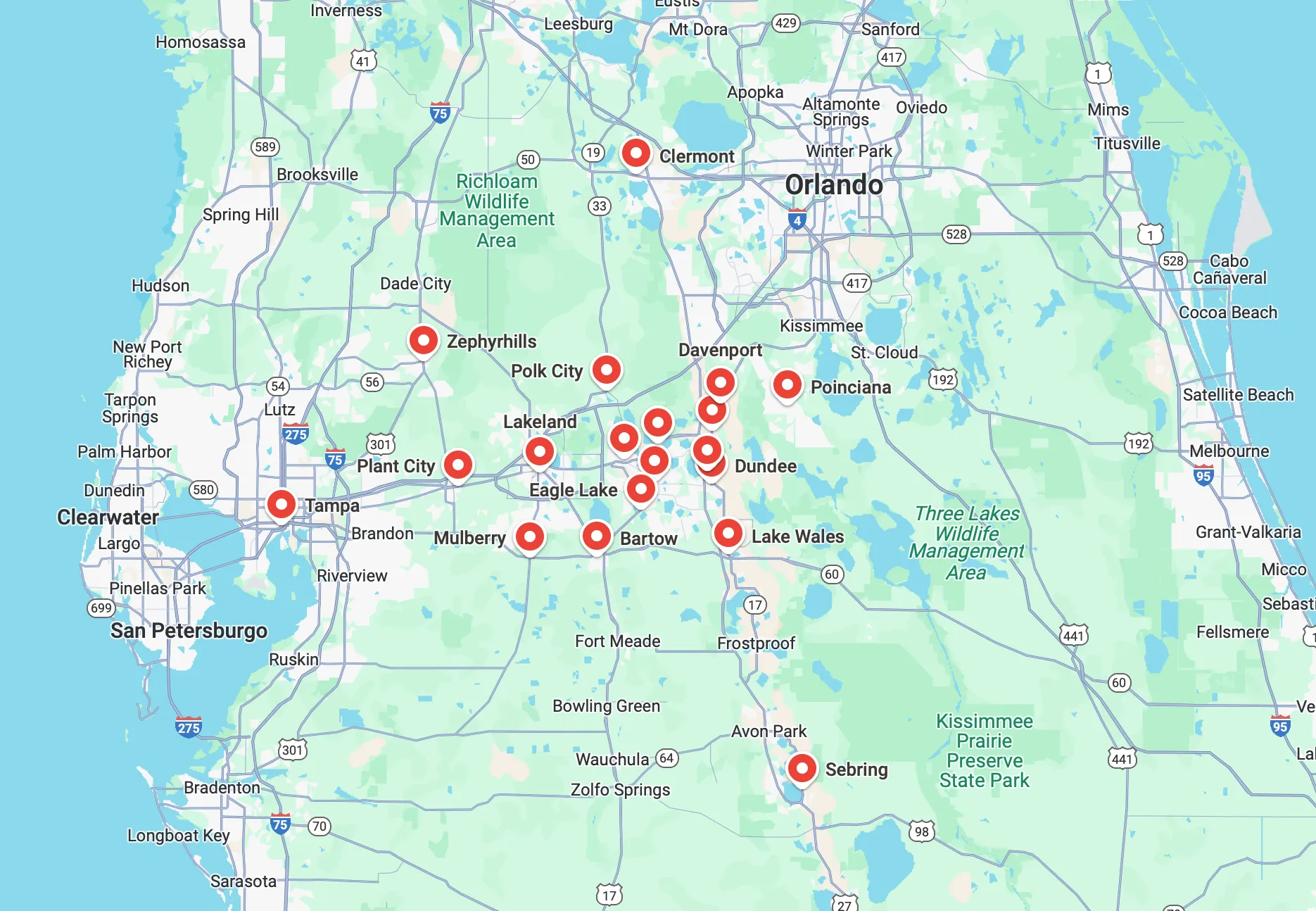
Service Areas