AC Replacement in Lakeland, FL
AC Replacement in Lakeland, FL
Keeping your home comfortable through Lakeland's long, humid summers means your air conditioning is one of the most critical systems you own. When an older system struggles to keep up, costs climb, or indoor humidity becomes a health concern, replacement is often the smarter long-term choice.
.webp)
When to choose replacement vs repair
Deciding whether to repair or replace comes down to age, performance, repair history, and projected operating costs. Use these practical guidelines:
- System age: Most central AC systems last 12 to 15 years. If your unit is older than 10 years, replacement is usually worth strong consideration. Older systems are less efficient and use older refrigerants.
- Frequency and cost of repairs: If you’ve had multiple major repairs in recent years or a single repair is likely to cost more than 50% of a replacement estimate, replacement is typically more economical.
- Energy bills and performance: Rising cooling bills, longer run times, or rooms that never feel cool usually indicate declining efficiency. New high-efficiency systems can lower monthly costs in Lakeland’s warm climate.
- Refrigerant issues: Systems using R-22 (Freon) are increasingly costly to service due to phase-out and limited supplies. If your system needs refrigerant-related repairs, replacement is commonly recommended.
- Comfort and humidity control: In Lakeland’s humid environment, poor humidity control, frequent short cycling, or mold/mildew in ducts are signs a modern, correctly sized system could resolve problems.
The assessment process: what to expect
A thorough pre-replacement assessment helps ensure you replace the right components with the right capacity:
- System age and condition review: Technicians document the unit’s installation date, type of refrigerant, visible corrosion, and major component wear.
- Efficiency and performance check: Measured cooling output, electrical draw, and thermostat behavior identify efficiency losses and possible duct issues.
- Repair history analysis: Technicians review past repairs and projected future failures to weigh lifecycle costs.
- Duct and airflow inspection: Leaky or undersized ducts cause uneven cooling and wasted energy-often cheaper to fix alongside replacement.
- Load calculation (Manual J): A proper Manual J load calculation estimates your home’s actual cooling needs based on square footage, insulation, window exposure, and Lakeland’s climate - not just the old unit’s size.
Energy-efficient system options and correct sizing
Selecting the right system for Lakeland means balancing capacity, efficiency, and humidity control.
- Heat pumps vs split-system central AC: Heat pumps are widely used in Florida and provide efficient cooling and modest heating. Both modern heat pumps and high-efficiency split systems are viable.
- SEER ratings and savings: Look for higher SEER (Seasonal Energy Efficiency Ratio) units for reduced energy use in Lakeland’s high cooling demand. Variable-speed compressors and two-stage systems improve comfort and humidity control.
- Variable-speed blower motors: These improve airflow, reduce noise, and manage humidity better than single-speed blowers.
- Proper sizing: Oversized systems short-cycle and fail to remove humidity; undersized systems run continuously. A correctly sized unit improves comfort and longevity.
- Indoor air quality upgrades: Consider upgraded filtration, UV lights, and dehumidification options to combat Lakeland’s high humidity and reduce dust and mold risks.
Removal and disposal of old equipment
Safe, compliant removal is part of professional replacement:
- Refrigerant recovery: Federal and state rules require safe recovery of refrigerants rather than venting. Technicians should provide documentation that refrigerant was reclaimed.
- Proper disposal and recycling: Old compressors, copper, and other components are recycled when possible. Disposal follows local waste and recycling rules.
- Site protection: Installers protect flooring and landscaping during removal and ensure the area is clean when finished.
Financing and rebate guidance for Lakeland homeowners
Replacing an AC is a significant investment, but several options can reduce upfront costs:
- Financing plans: Many contractors offer financing programs with structured payments. Compare terms, interest rates, and total payments before committing.
- Utility rebates and incentives: Check local utility and state incentive programs for rebates on high-efficiency equipment or heat pumps. Eligibility often depends on model efficiency and installation documentation.
- Federal tax credits: Energy-related tax incentives may be available for certain high-efficiency HVAC upgrades. Retain invoices, model numbers, and contractor certifications for tax and rebate applications.
- Documentation tips: Keep itemized invoices, manufacturer model numbers, load calculations, and permit documents—these are commonly required for rebates or tax credits.
Installation timeline and what to expect
A smooth replacement follows a predictable sequence:
- Pre-installation assessment and selection: After the initial assessment and equipment selection, permits are pulled if required by local code.
- Delivery and staging: Equipment delivery is scheduled; lead times can vary seasonally in Florida.
- Installation day(s): Typical central AC changeouts for an average home take 1 to 2 days. Complex installs, duct modifications, or multi-zone systems may take longer.
- Testing and commissioning: Installers test pressures, airflow, electrical connections, and thermostat calibration. Expect a walk-through explaining operation and maintenance needs.
- Follow-up: Many contractors perform a post-installation check to verify performance after the system has run under normal loads.
Warranty considerations and long-term protection
Warranties are important for peace of mind and cost control:
- Manufacturer warranty: Covers major components for a specified period. Different components (compressor, coil, electronics) often have different term lengths.
- Labor and installer warranty: Reputable installers offer labor warranties that cover installation defects. Verify the length and what conditions apply.
- Registration requirements: Some manufacturer warranties require you to register the equipment within a set period after installation.
- What voids a warranty: Neglect, improper maintenance, unauthorized repairs, or failure to change filters can void warranties. Follow manufacturer maintenance schedules.
- Extended protection plans: Optional service agreements can cover routine maintenance and some repairs, helping maintain efficiency and preserve warranty coverage.
Final considerations for Lakeland homes
Lakeland’s heat and humidity make reliability, efficiency, and proper humidity control top priorities. Replacing an aging, inefficient unit with a properly sized, high-efficiency system can lower energy bills, improve indoor comfort, and reduce future repair headaches. A careful assessment, attention to local climate factors, correct sizing, and understanding financing and warranty details will help you make a durable, cost-effective decision for your home.

Customer Testimonials

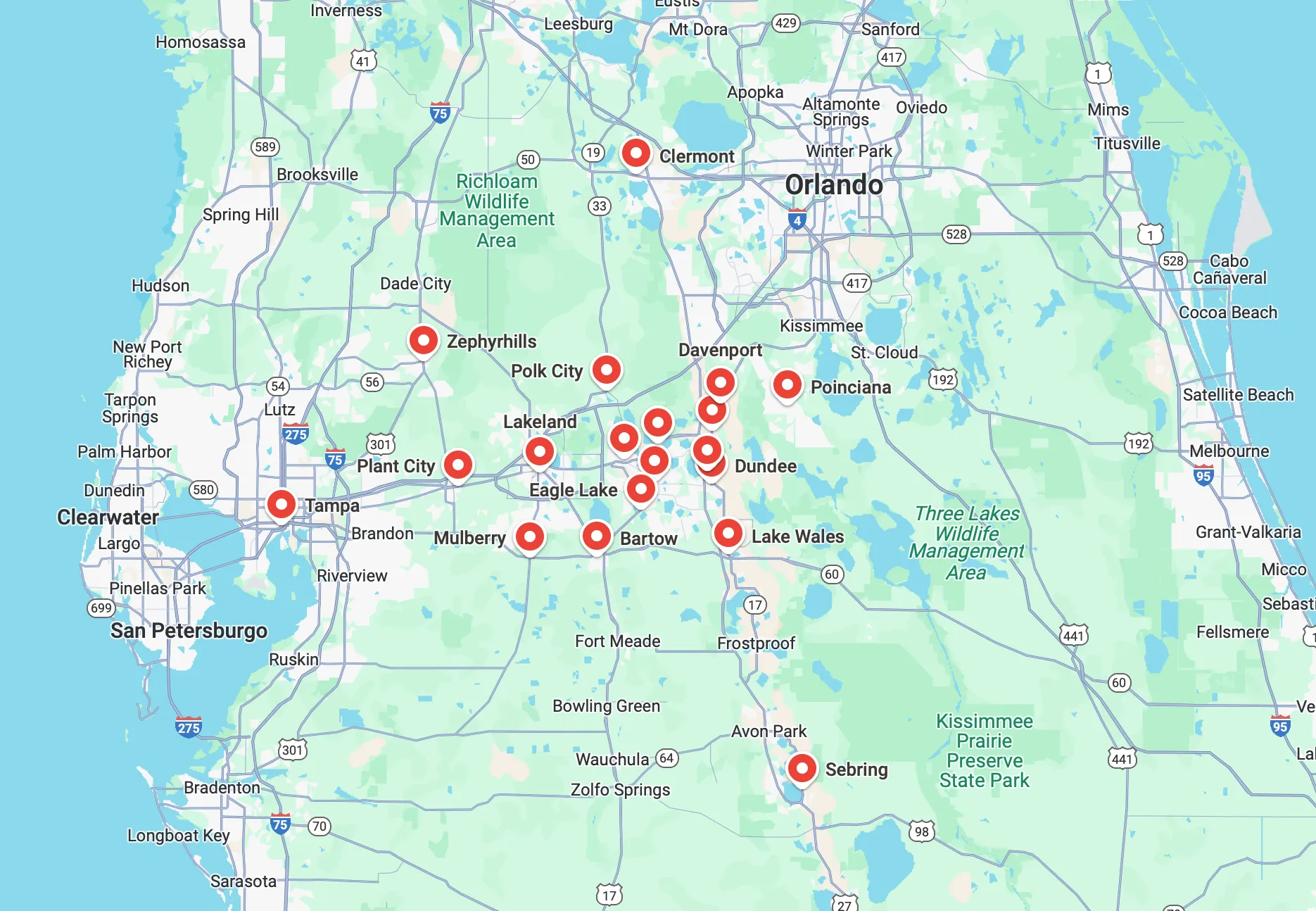
Service Areas