AC Installation in Lakeland, FL
AC Installation in Lakeland, FL
Replacing or installing an air conditioning system in Lakeland, FL is an important investment in comfort, indoor air quality, and energy efficiency. With hot, humid summers and frequent afternoon storms, correct AC sizing, equipment choice, and ductwork integrity are critical to prevent short cycling, poor dehumidification, and higher utility bills.
.jpeg)
Why the right installation matters in Lakeland, FL
- High humidity increases latent cooling demand; an oversized unit cools space quickly but fails to remove moisture, causing clammy indoor air and mold risk.
- Attics in Florida get extremely hot; ductwork located in unconditioned attics must be sealed and insulated to prevent major efficiency losses.
- Local weather and frequent power events make reliable electrical connections and proper condensate management essential to prevent damage during storms.
Common AC installation needs and issues in Lakeland, FL
- Full system replacement (aged equipment, frequent breakdowns)
- Right-sizing a new system for additions or renovated homes
- Ductwork repairs, resizing, or converting crawlspace/attic ducts to conditioned space solutions
- Upgrading to higher SEER systems or variable-speed equipment to improve comfort and lower bills
- Mini-split installations for rooms without existing ductwork
- Condensate and drainage improvements to handle humidity loads and prevent water damage
Site assessment and load calculations
A professional installation begins with a detailed site assessment and accurate load calculation:
- Perform a Manual J load calculation to determine sensible and latent cooling requirements based on home size, orientation, insulation levels, window types, occupancy, and local climate.
- Evaluate attic temperatures, floor assemblies, and solar exposure that are especially relevant in Lakeland’s hot, humid environment.
- Identify ventilation, indoor humidity goals, and any specific comfort issues (hot rooms, uneven cooling) to determine zoning or multi-stage equipment needs.
Accurate load calculation prevents common problems like oversized systems, poor humidity control, and higher operating costs.
Equipment selection: SEER ratings and system types
Choosing the right equipment balances initial cost, efficiency, and comfort-especially important under Florida’s climate and energy conditions.
- SEER (Seasonal Energy Efficiency Ratio): Higher SEER ratings mean better efficiency. Typical choices for Florida homes include mid-efficiency (14–16 SEER), high-efficiency (16–20 SEER), and premium systems (20+ SEER) with inverter-driven compressors. Select SEER based on expected usage, insulation levels, and lifecycle savings.
- System types:
- Central split systems (most common for detached homes) - work well with ducted homes and can be matched with high-efficiency air handlers.
- Heat pumps - efficient year-round in Florida and provide both cooling and mild heating without a separate furnace.
- Packaged units - useful for homes without space for a condenser and indoor coil separation.
- Mini-splits (ductless) - ideal for additions, garages, or converted spaces where extending ducts is impractical.
- Features to consider: variable-speed compressors and multi-stage units for better humidity control, reliable refrigerant types, and smart thermostats for optimized schedules.
Ductwork evaluation and modifications
Ducts influence system capacity and comfort as much as the equipment itself.
- Inspect for leaks, disconnections, crushed runs, improper transitions, and inadequate return pathways. Duct leakage and poor insulation are major efficiency killers in Florida homes with hot attics.
- Measure static pressure and airflow to confirm the existing duct network can deliver manufacturer-recommended CFM.
- Common corrective actions: sealing and mastic, adding return or transfer grills, resizing trunks or branches, relocating ducts into conditioned space where feasible, and increasing insulation on attic ducts to prevent thermal gain.
Addressing ducts during installation often yields the largest real-world efficiency and comfort improvements.
Permitting and code compliance
Installations in Lakeland must follow Florida building codes and local permit requirements:
- Verify local permit needs through Polk County or City of Lakeland authorities; required inspections typically include mechanical, electrical, and sometimes structural checks.
- Ensure equipment selection and installation comply with Florida energy code provisions and manufacturer installation requirements.
- Proper permits and inspections protect warranty coverage and ensure safety, especially for refrigerant handling and electrical work.
Step-by-step installation practices
A professional installation typically follows these ordered steps:
- Pre-install checklist and final load verification.
- Remove old equipment and recover refrigerant according to regulations.
- Prepare mounting pads or curbs; route electrical, refrigerant line sets, and condensate piping.
- Install indoor coil/air handler and outdoor condenser or heat pump; ensure level mounting and secure fasteners.
- Connect refrigerant lines, evacuate the system, and charge to manufacturer specifications if required.
- Complete electrical connections, install disconnects, and verify proper breaker sizing and grounding.
- Seal and insulate line sets and ducts; implement recommended condensate safety devices and secondary drains in humid climates.
- Install thermostat and any zoning controls; verify wiring and compatibility.
Following a clear, documented process reduces the risk of common installation errors that degrade performance.
Commissioning and performance testing
Commissioning confirms the system meets design goals:
- Measure airflow, static pressure, and supply/return temperatures; verify delta T and humidity control.
- Check refrigerant charge through superheat or subcooling measurements as specified by the manufacturer.
- Test electrical draw (amps) and motor operation to ensure components run within rated parameters.
- Perform leak checks, condensate flow tests, and thermostat calibration.
- Provide a written commissioning report that documents system performance and any adjustments made.
Post-installation support and warranties
After installation, homeowners should receive clear documentation:
- Manufacturer equipment warranty details and duration, and any installer-provided labor or workmanship warranty.
- A service and maintenance plan recommendation: seasonal tune-ups, filter replacement intervals, and humidity management strategies for Lakeland’s climate.
- An owner orientation covering thermostat operation, filter access, condensate alarm function, and what to monitor during the first cooling season.
Warranties and professional maintenance are key to preserving efficiency and avoiding premature failures in a humid environment.
Long-term benefits and maintenance tips for Lakeland homes
A correctly installed, right-sized AC system provides:
- Better humidity control and indoor comfort during long Florida summers.
- Lower energy usage when ducts are sealed and high-SEER equipment is properly commissioned.
- Longer equipment life and fewer unexpected breakdowns with scheduled maintenance.
Maintenance tips specific to Lakeland: - Replace or clean filters monthly during heavy use seasons.
- Keep outdoor condensers clear of debris and shade them where possible to reduce load.
- Maintain attic insulation and consider duct sealing to reduce thermal gain.
- Monitor for signs of poor dehumidification, like condensation or mildew, which can indicate an imbalance in system sizing or airflow.
A professional AC installation tailored to Lakeland’s climate, building styles, and local codes ensures reliable comfort, optimized efficiency, and long-term performance. Accurate load calculations, proper equipment and ductwork choices, thorough commissioning, and documented warranties are the foundations of a successful installation.

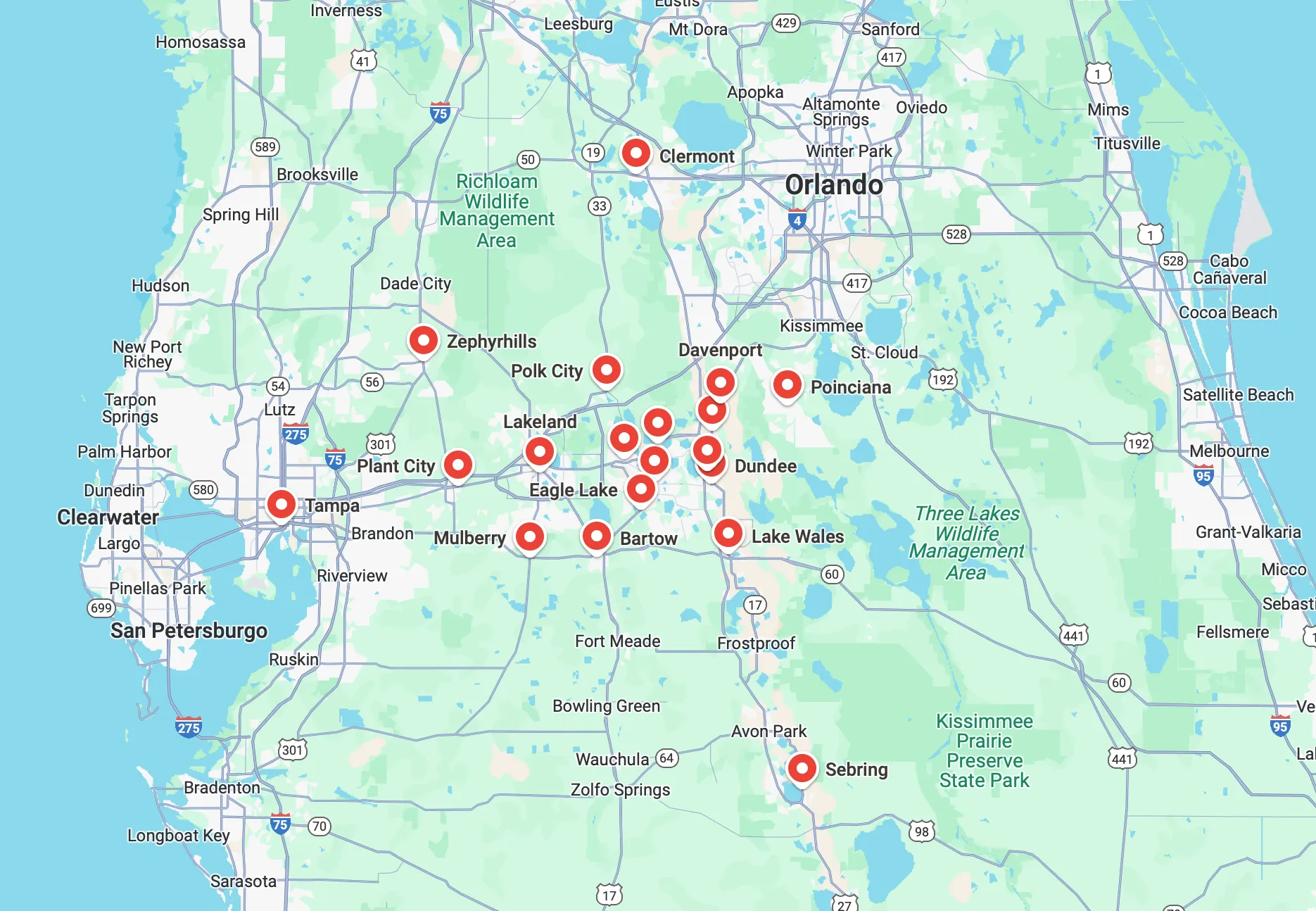
Customer Testimonials

Service Areas