AC Service in Lakeland, FL
AC Service in Lakeland, FL
Keeping your home comfortable in Lakeland means keeping your air conditioning running reliably through long, humid summers and sudden stormy weather. AC Service in Lakeland, FL covers everything homeowners need at the decision stage: professional diagnostics and repairs, full installations and replacements, regular maintenance and tune-ups, emergency service readiness, and clear service procedures so you know what to expect when a technician arrives.
.jpeg)
Common AC issues in Lakeland homes
Lakeland’s hot, humid subtropical climate and seasonal storms create predictable stresses on HVAC systems. The most frequent problems include:
- Poor cooling or uneven temperatures between rooms, often from undersized equipment, low refrigerant, or airflow restrictions.
- Short cycling or frequent on/off operation caused by thermostat problems, electrical issues, or an overworked compressor.
- Reduced airflow from clogged filters, dirty coils, or failing blower motors, worsened by high seasonal pollen and dust.
- Water leaks and condensate overflow due to blocked drain lines, damaged pans, or poor drainage in attics or crawlspaces.
- Refrigerant leaks and compressor failure, especially in older systems or units exposed to frequent storms and power surges.
- Corrosion and rust on outdoor units from humidity; this accelerates component wear and can affect electrical connections.
Understanding these patterns helps prioritize the right service: diagnostics first, then targeted repairs or recommendations for replacement when repair is no longer cost-effective.
Diagnostic and repair process
A reliable diagnosis is the foundation of effective repairs. Typical diagnostic steps include:
- Visual inspection of the outdoor condensing unit and indoor air handler, looking for corrosion, debris, or visible damage.
- Checking filters, coils, and condensate drains to identify airflow or drainage blockages.
- Measuring refrigerant pressures and temperatures to verify charge and detect leaks.
- Testing electrical components such as capacitors, contactors, and breakers to locate failing parts.
- Assessing airflow with static pressure measurements and verifying duct integrity where possible.
- Reviewing thermostat calibration and control signals.
After diagnosis you receive a clear explanation of findings and practical repair options. Common repairs in Lakeland include refrigerant recharge and leak repair, capacitor or contactor replacement, blower motor service, condensate line cleaning, coil cleaning, and electrical repairs. Repairs are focused on restoring safe, efficient operation while considering system age and long-term reliability.
Installations and replacements
When repairs are no longer the best option, a properly planned replacement delivers better comfort and lower operating costs. Key elements of a professional installation:
- Accurate load calculation for the home to select the correct capacity and avoid oversizing or undersizing.
- Equipment selection based on efficiency (SEER ratings), humidity control, compatibility with existing ductwork, and local climate needs.
- Duct evaluation and sealing to ensure airflow efficiency and reduce energy waste common in older Lakeland homes.
- Proper refrigerant handling and compliance with current refrigerant standards.
- Correct electrical and safety connections to minimize storm-related failures and reduce risk of nuisance tripping.
- Commissioning and performance testing after installation to confirm proper operation and cooling performance under load.
Modern systems with variable-speed compressors and integrated humidity control often deliver noticeable comfort improvements in Lakeland’s humid summers.
Maintenance and tune-ups
Regular maintenance is the most cost-effective way to avoid emergency repairs and extend system life. A typical seasonal tune-up includes:
- Replacing or inspecting filters and advising on the right filter type and change frequency for high-pollen seasons.
- Cleaning evaporator and condenser coils to restore heat transfer efficiency.
- Checking refrigerant levels and inspecting for leaks.
- Inspecting electrical components and tightening connections to prevent storm-induced failures.
- Clearing and sanitizing condensate drains to prevent water damage and mold growth.
- Lubricating moving parts and testing safety controls.
- Verifying thermostat settings and system performance.
Recommended frequency for Lakeland is at least annual inspection and tune-up, with two visits per year optimal for homes with heavy cooling loads or documented moisture problems.
Emergency service availability and common emergency scenarios
In Lakeland, an AC outage on a hot, humid day can escalate quickly into a health and property concern. Typical emergency scenarios:
- Complete system failure during extreme heat.
- Refrigerant leaks that cause rapid performance loss.
- Electrical failures that produce burning smells or tripped breakers.
- Flooding from condensate overflow threatening flooring and insulation.
Emergency service protocols prioritize safety and rapid stabilization: isolating electrical hazards, stopping active water leaks, restoring temporary cooling where possible, and providing a clear plan to fully repair or replace failed components.
Service call procedures - what to expect
A professional service visit follows clear, documented steps so you know what will happen:
- Arrival and safety check of the area and system.
- System history review and symptom confirmation with the homeowner.
- Comprehensive inspection and diagnostic testing.
- Clear explanation of findings, repair options, and expected outcomes, including long-term implications for warranties and efficiency.
- Implementation of agreed repairs or scheduling for replacement if needed.
- Post-service testing to verify performance and a walkthrough explaining what was done and why.
Technicians should provide a written summary of findings and actions taken. When replacement is recommended, the same documentation includes system sizing rationale and installation scope.
When to repair vs when to replace
Deciding between repair and replacement depends on several factors:
- System age: units older than 10 to 15 years are less efficient and more likely to have expensive failures.
- Frequency and cost of repairs: repeated or high-cost fixes often justify replacement.
- Performance: inability to maintain comfortable temperatures or control humidity points to reduced efficiency.
- Refrigerant and parts availability: older refrigerants phased out of production can make repairs impractical.
- Long-term efficiency goals: a new system can deliver substantial energy savings in Lakeland’s climate.
A transparent assessment that compares remaining useful life and projected operating costs helps homeowners make an informed decision.
Preventive tips for Lakeland homeowners
Small, regular actions can reduce major failures:
- Change filters monthly during peak pollen and every 1 to 3 months otherwise.
- Keep outdoor units clear of debris, plants, and lawn clippings; allow at least 2 feet of clearance.
- Shade the outdoor unit without restricting airflow to improve efficiency.
- Inspect and clear condensate drains seasonally, especially after storms.
- Consider a whole-house surge protector to guard against electrical spikes during thunderstorms.
- Schedule annual professional maintenance and a second mid-season check if cooling demand is heavy.
Regular attention to these items helps systems run longer and more reliably in Lakeland’s humid environment.
Benefits of timely service
Timely diagnostics, maintenance, and properly sized replacements increase comfort, reduce unexpected failures, improve indoor air quality, and help systems run more efficiently during Lakeland’s long cooling season. A proactive approach minimizes emergency calls, protects home interiors from moisture damage, and preserves equipment warranties and value.

Customer Testimonials

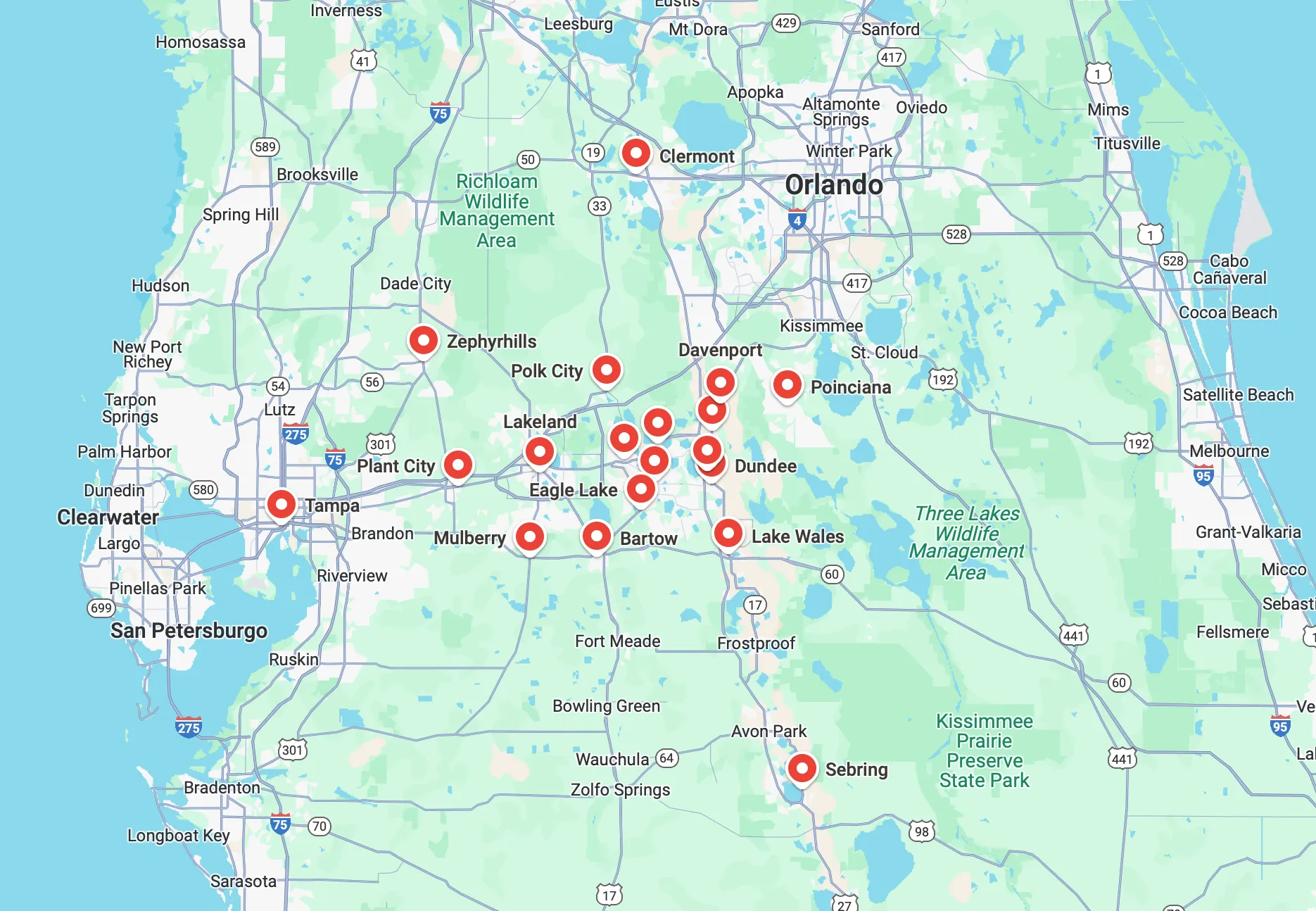
Service Areas