Mini Split Replacement in Winter Haven, FL
Mini Split Replacement in Winter Haven, FL
Replacing an aging or failing mini split in Winter Haven, FL is a decision that affects comfort, energy bills, and indoor air quality year-round. With hot, humid summers and mild winters, Winter Haven homes rely on efficient, reliable cooling and dehumidification.
.webp)
Why replace a mini split now?
Mini split systems lose efficiency and reliability over time. Common signs your unit needs replacement in Winter Haven include:
- Frequent breakdowns or repeated repairs
- Declining cooling or heating capacity during peak humidity and heat
- Rising energy bills despite normal use
- Refrigerant leaks or a compressor failure
- Obsolescent refrigerant type or parts that are no longer available
Because Florida’s humid climate places extra demand on dehumidification and compressor duty cycles, addressing failing equipment promptly prevents comfort issues and can avoid higher energy costs.
Common mini split replacement types and options
Homeowners in Winter Haven typically choose between retrofit options and full replacement. Options include:
- Retrofit (replace outdoor condensing unit and indoor heads while reusing existing line sets when viable)
- Full replacement (new outdoor unit, new indoor heads, and new line sets, ideal for long line runs or multiple failing components)
- Multi-zone upgrade (convert single-zone systems to multi-zone to condition multiple rooms with a single outdoor unit)
- High-efficiency replacement (modern inverter-driven heat pump systems with improved SEER and better humidity control)
Choosing the right path depends on unit age, extent of damage, refrigerant compatibility, electrical capacity, and desired efficiency gains.
How we evaluate your system
A thorough system evaluation determines the best replacement solution and delivers accurate performance expectations. Typical diagnostic steps include:
- Visual inspection of indoor and outdoor units for corrosion, motor or fan damage, and physical wear
- Refrigerant leak testing and pressure verification
- Electrical inspection: breaker sizing, disconnects, and wiring condition
- Load assessment and room-by-room sizing review to confirm required capacity for Winter Haven’s climate
- Verification of mounting, line-set lengths, and drainage to assess retrofit feasibility
- Review of current refrigerant type and future-proofing needs
This evaluation creates a clear scope: retrofit or full replacement, necessary electrical upgrades, and any structural work for wall or ceiling-mounted heads.
Replacement process and timeline
Replacement timelines vary by project scope and permitting needs but generally follow:
- System evaluation and proposal: assessment, options, and timeline estimates
- Permit and planning (if required by local code): securing permits and scheduling
- Removal of old equipment: recovery of refrigerant in compliance with regulations, removal of indoor and outdoor components
- Installation of new system: outdoor unit placement, line set and electrical connections, indoor head mounting, and condensate management
- Startup, balancing, and commissioning: refrigerant charge verification, airflow balancing, control programming, and performance testing
- Final inspection and warranty registration
Typical residential replacements in Winter Haven take from one to several days for installation. Projects involving multiple zones, significant electrical upgrades, or permit processing can extend timelines to a few weeks.
Energy-efficiency improvements and performance gains
Upgrading a mini split in Winter Haven delivers measurable comfort and efficiency benefits:
- Modern inverter-driven compressors provide more precise temperature control and better dehumidification during hot, humid months
- Higher efficiency ratings reduce run-time and energy consumption, especially important during long cooling seasons
- Multi-zone systems allow tailored conditioning of occupied spaces, reducing wasted cooling in unused rooms
- Newer refrigerants and reduced leak potential make systems more reliable and environmentally responsible
In central Florida’s climate, improved humidity control often translates to better perceived comfort at slightly higher thermostat settings, lowering energy use while maintaining comfort.
Factors affecting cost and financing options
Costs for mini split replacement depend on:
- Number of zones and indoor head types
- System capacity and efficiency level
- Need for electrical panel upgrades or new disconnects
- Complexity of installation (line length, wall penetrations, permits)
- Disposal and refrigerant recovery requirements
Financing options are commonly available to spread investment over time, and some replacement projects may qualify for local or national energy incentive programs. Discussing financing and incentives during evaluation helps homeowners plan replacement without surprise expenses.
Disposal, refrigerant recovery, and recycling
Responsible replacement includes proper disposal and environmental handling:
- Refrigerant recovery is performed according to regulations to prevent atmospheric release
- Metal, copper, and electronic components are recycled whenever possible
- Old compressors and sealed components are disposed of following local waste and recycling rules
Proper disposal protects the environment and ensures compliance with federal and local regulations.
Warranty and performance guarantees
New mini split installations typically come with manufacturer warranties on parts and compressor life, and many installers provide labor warranties or short-term performance guarantees. A reliable replacement package will outline:
- Manufacturer parts and compressor warranty periods
- Labor warranty duration for installation workmanship
- Performance verification: system capacity and efficiency checks during commissioning
- Post-installation follow-up inspections to ensure system is meeting expected performance in Winter Haven’s climate
Warranty registration and maintaining recommended service schedules help protect both warranties and system longevity.
Maintenance and long-term care
To maximize lifespan and efficiency:
- Schedule regular checks every 6-12 months, focusing on refrigerant charge, coil cleanliness, and condensate drainage
- Replace or clean filters regularly to protect indoor heads and maintain airflow
- Ensure outdoor unit clearance and protect from debris during storm season
- Address small issues early to avoid costly compressor or circuit board failures
Routine maintenance is especially important in Florida’s humid environment to prevent mold growth and ensure consistent dehumidification.

Customer Testimonials

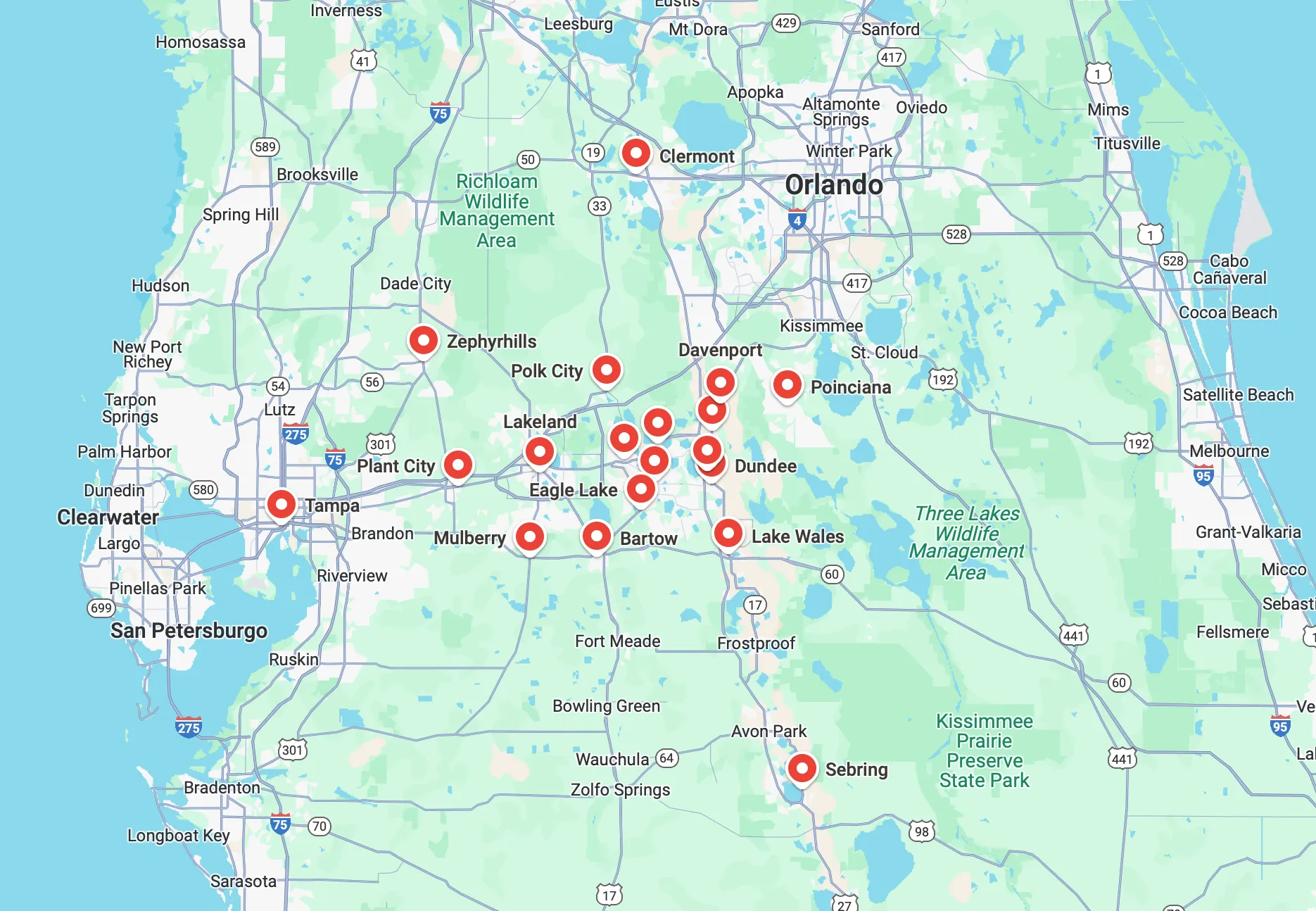
Service Areas