Mini Split AC in Winter Haven, FL
Mini Split AC in Winter Haven, FL
Choosing the right mini split AC in Winter Haven, FL delivers targeted comfort, lower energy use, and a quieter home environment-advantages that matter in Central Florida’s hot, humid climate. Mini split (ductless) systems are well suited to Winter Haven homes that need efficient cooling for specific rooms, additions, or whole-house multi-zone comfort without the expense and disruption of new ductwork.
.webp)
Why a mini split makes sense in Winter Haven, FL
- Florida summers are long, humid, and often push central systems to work continuously. Mini splits use inverter-driven compressors that modulate speed to match demand, reducing cycling and lowering electricity spikes.
- Zoning lets you cool only occupied rooms-ideal for older Florida homes with uneven insulation, sun-facing rooms, or frequently used living spaces.
- Ductless systems avoid energy losses associated with leaky or poorly insulated ducts, which is a common issue in many Florida homes and can improve overall efficiency.
- Quiet operation for bedrooms and home offices makes living spaces more comfortable during peak cooling months and storm season when windows remain closed.
Common mini split types and technologies
- Inverter-driven single-zone systems: Precise temperature control and energy savings for one room or space.
- Multi-zone systems: One outdoor unit supports multiple indoor units (wall-mounted, ceiling cassette, floor console), allowing independent control of several rooms.
- Heat pump models: Provide efficient heating in cooler months and cooling in summer, useful for early-fall or winter mornings in Central Florida.
- Smart controls and Wi-Fi connectivity: Offer scheduling, remote access, and performance monitoring for convenience and energy management.
Common mini split issues in Winter Haven, FL
- Reduced cooling capacity during the hottest, most humid days due to undersized equipment or poor airflow.
- Moisture-related problems: clogged condensate drains or algae growth in drain lines caused by high humidity.
- Refrigerant leaks that reduce performance and increase run times.
- Communication or sensor errors in multi-zone systems causing one or more indoor units to operate improperly.
- Noisy operation from loose panels, outdoor debris after storms, or aging fan motors.
How we size and select a mini split for Winter Haven homes
Proper sizing is crucial in a humid climate to avoid short cycling, poor dehumidification, or excessive running times. Key factors considered:
- Square footage and ceiling height of the conditioned space.
- Window orientation and shading (south and west exposures increase cooling load).
- Insulation levels, attic ventilation, and recent improvements to building envelope.
- Occupancy, typical schedules, and major internal heat sources (kitchen, electronics).Rule of thumb guidance: Hot, humid climates like Winter Haven generally require higher cooling capacity per square foot than milder climates. A professional load calculation (Manual J style) gives an accurate BTU requirement, which is then matched to inverter-capable units so output adjusts with actual demand.
Installation considerations and process
- Site assessment: Evaluate indoor placement for optimal airflow, outdoor unit location for noise and airflow clearance, and running line set lengths to minimize efficiency losses.
- Electrical: Confirm service capacity, disconnects, and proper circuit sizing for inverter compressors.
- Mounting options: Wall-mounted units are common for bedrooms and living rooms; ceiling cassettes or recessed units work well for open-plan spaces.
- Drainage: Proper condensate routing prevents moisture issues in Winter Haven’s humid conditions.
- Permits and code compliance: Ensure local building codes and permitting requirements are followed for safe, compliant installation.
How mini splits compare to central AC for Winter Haven homeowners
- Efficiency: Mini splits often outperform older central systems because they eliminate duct losses and use inverter technology. Expect meaningful savings when replacing an old, inefficient central AC.
- Zoning: Mini splits give room-by-room control compared with a single thermostat for central systems.
- Installation: Ductless installs are less invasive and faster than adding or upgrading ductwork, making them ideal for retrofits or room additions.
- Cost tradeoffs: Upfront equipment cost per ton can be higher than central systems, but energy savings and targeted comfort frequently offset this over the system lifetime.
- Noise: Indoor units run quietly and are typically less intrusive than some central air handlers and outdoor compressors.
Expected energy savings
While actual savings depend on the home, usage patterns, and the unit being replaced, many Winter Haven homeowners see reduced energy consumption when switching from older central units to modern inverter-driven mini splits, especially when:
- The existing ductwork is leaky or poorly insulated.
- Zoning reduces cooling of unused rooms.
- Programmable controls and smart scheduling reduce runtime. Typical savings range varies by home and system matching; sizing correctly and adopting sensible setpoints maximizes benefits, particularly during Winter Haven’s peak cooling months.
Rebates and financing (general guidance)
There are often utility rebates, manufacturer promotions, and financing programs available for energy-efficient HVAC equipment and heat pump technology. Homeowners should check local utility offerings, state incentives, and federal tax credits that apply to energy-efficient HVAC upgrades. Eligible rebates frequently depend on equipment efficiency ratings and certified installer requirements.
Maintenance and longevity in coastal Central Florida
Routine maintenance is especially important in Winter Haven due to high humidity and summer storm exposure:
- Clean or replace indoor filters every 1 to 3 months to preserve airflow and efficiency.
- Flush condensate drains and check pans annually to prevent clogs and microbial growth.
- Schedule an annual professional inspection to check refrigerant charge, electrical connections, and system controls.
- Keep outdoor units clear of debris, vegetation, and standing water that can stress the condenser and reduce lifespan.
FAQs - Choosing the right mini split in Winter Haven, FL
- How many zones do I need? Assess usage patterns: bedrooms each often need their own zone, while open living areas can share a zone. A professional load and layout review determines the optimal number.
- Can a mini split handle a whole house? Yes, in many cases a multi-zone system can cool an entire home, but large homes may require multiple outdoor units or a hybrid approach with central air for certain areas.
- Will a mini split reduce humidity? Yes, properly sized inverter systems dehumidify effectively because they run longer at lower speeds, improving comfort in Winter Haven’s humid climate.
- How long do mini splits last? With proper maintenance, modern mini splits commonly last 12 to 20 years. Regular servicing and timely refrigerant checks prolong system life.
- Are mini splits noisy outdoors? Outdoor units have become quieter over recent generations. Placement behind landscaping and following clearance recommendations reduces perceived noise in living spaces.
Converting to a ductless mini split in Winter Haven, FL is a practical, energy-smart choice for homeowners who want precise comfort control, reduced energy waste from ducts, and quieter operation. Proper sizing, professional installation, and regular maintenance make the difference between good performance and long-lasting value in Central Florida’s demanding climate.

Customer Testimonials

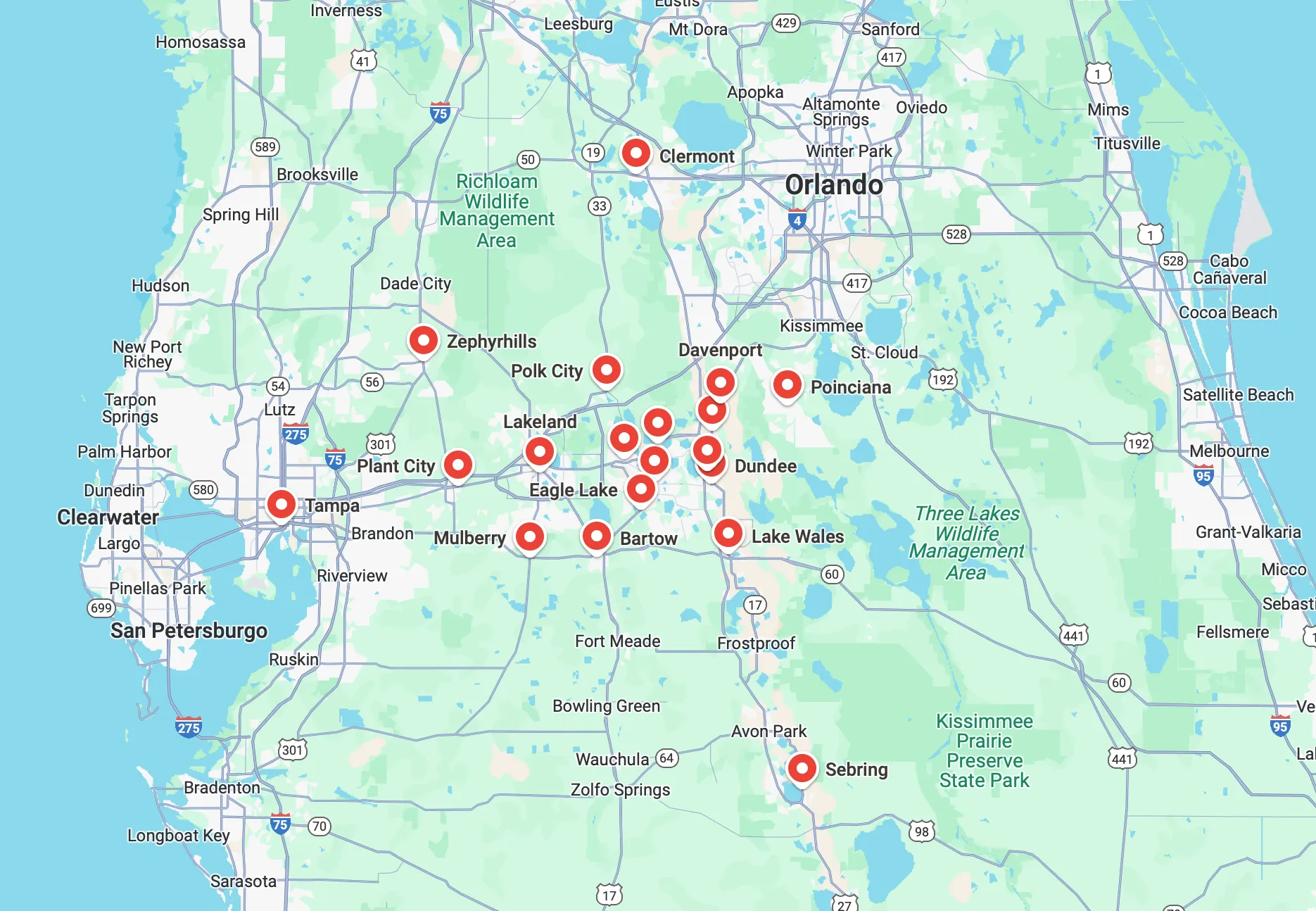
Service Areas