Mini Split Repair in Winter Haven, FL
Mini Split Repair in Winter Haven, FL
Mini split systems are a popular choice for Winter Haven homes because they deliver efficient, zoned cooling and heating without ductwork. When a mini split fails, however, it can quickly affect comfort in humid Central Florida conditions.
.jpeg)
Why timely mini split repair matters in Winter Haven
Winter Haven’s hot, humid summers and frequent storm-related power events put extra stress on mini split components. High indoor humidity accelerates coil corrosion and encourages blocked drainage and mold growth. Constant seasonal use increases wear on compressors and inverters. Delaying repairs can lead to higher energy bills, reduced cooling capacity, and more expensive component failures. Prompt diagnostics and targeted repairs restore comfort and extend equipment life.
Common mini split problems in Winter Haven and how they present
- Refrigerant leaks: Reduced cooling performance, longer run cycles, and ice buildup on the evaporator coil are typical signs. In warm, humid weather, low refrigerant leads to insufficient dehumidification and uncomfortable indoor conditions.
- Compressor or inverter failures: Symptoms include the outdoor unit not starting, loud or unusual noises, or the system cycling on and off. Inverter drives are sensitive to power surges common during storm season.
- Electrical faults: Tripped breakers, blown fuses, or erratic operation often stem from loose wiring, failed capacitors, or control board issues. Lightning and utility fluctuations in the region can accelerate electrical wear.
- Thermostat or control problems: Unit won’t respond to settings, Wi-Fi remote failures, or incorrect temperature readings can be caused by sensor faults or communication errors between indoor and outdoor units.
- Airflow obstructions: Clogged air filters, blocked supply or return grilles, and dirty coils reduce efficiency and can cause freeze-ups. Pollen, dust, and seasonal debris in Winter Haven increase the need for filter and coil attention.
Diagnostic and troubleshooting process
A thorough diagnostic sequence identifies the root cause and avoids unnecessary parts replacement:
- Initial inspection: Visual check of indoor and outdoor units, filters, drain lines, and ductless connections.
- Electrical testing: Voltage and amp measurements, capacitor and contactor checks, and control board inspection to find shorts or weak components.
- Refrigerant evaluation: Leak detection using electronic detectors or dye, pressure testing, and verification of the correct refrigerant type and charge.
- System performance test: Measuring airflow, superheat/subcooling values, and runtime to determine compressor and heat-exchange performance.
- Control and sensor checks: Verifying thermostat calibration, remote communication, and sensor operation for accurate temperature control.
- Report and repair plan: Clear explanation of findings, recommended repairs or parts, and expected repair timeline.
Typical repair solutions and parts compatibility
- Refrigerant repair: Locate and repair leaks, vacuum the system, and recharge with the manufacturer-specified refrigerant. Matching the correct refrigerant composition and charge is critical for performance and warranty compliance.
- Compressor and inverter service: Some inverter modules can be repaired or replaced; compressors are often replaced as assemblies. Matching manufacturer part numbers or approved equivalents ensures proper operation.
- Electrical repairs: Replace failed capacitors, relays, contactors, and worn wiring with appropriately rated components. Power surge protection can be recommended to reduce future failures.
- Controls and thermostat: Replace faulty sensors or electronics with OEM or compatible aftermarket controls that support the unit’s communication protocol. Wi-Fi module replacements must match the unit’s platform.
- Airflow and drainage fixes: Clean or replace filters, clear condensate drains, and clean coils. In humid Winter Haven conditions, ensuring proper condensate slope and trap function prevents backups and microbial growth.
Manufacturer compatibility matters: use OEM replacement parts when required by warranties, and ensure aftermarket parts meet the unit’s specifications for voltage, capacity, and communication protocols. Replacing parts with incorrect specs can cause operational issues and void warranties.
Estimated timelines and same-day or emergency repair options
- Diagnostics: 1 to 3 hours for a complete system diagnosis, depending on system complexity and whether outdoor unit access is restricted.
- Minor repairs: Tasks such as replacing filters, cleaning coils, replacing capacitors, or fixing a thermostat typically take 1 to 4 hours and may be completed the same day.
- Moderate repairs: Refrigerant leak repair, motor replacements, or control board swaps can take several hours to a full day, especially if parts must be ordered.
- Major repairs: Compressor replacements or multi-unit inverter repairs may require 1 to 3 days, depending on parts availability.
- Emergency or same-day options: Many service providers in Winter Haven offer priority scheduling for systems that are failing during extreme heat or that pose safety concerns. Emergency work often focuses first on restoring basic cooling and safety, with follow-up work scheduled for noncritical items.
Warranties and guarantees
Professional repairs typically include a labor warranty for a set period and respect manufacturer parts warranties when OEM components are used. Expect clarity on what is covered: labor coverage duration, parts warranty length, and conditions that could void warranty (such as improper refrigerant use or non-OEM parts). Repaired systems are usually tested and run through a performance verification to document that the issue was resolved.
Maintenance tips to prevent future breakdowns in Winter Haven
- Replace or clean filters every 1 to 3 months during heavy use seasons.
- Schedule an annual or biannual professional tune-up before peak summer to inspect refrigerant charge, electrical connections, drain lines, and coil condition.
- Keep outdoor units clear of debris and vegetation; ensure adequate airflow around the condenser. Winter Haven’s tree pollen and yard debris can accumulate quickly.
- Install a surge protector for the outdoor unit to reduce inverter and control board failures from power events.
- Ensure condensate drains and traps are clear and sloped correctly to prevent clogs and microbial growth in humid conditions.
- Consider UV coil lights or antimicrobial treatments for indoor coils in high-humidity areas to reduce mold and biofilm buildup.
- Monitor system performance: if cooling slows or energy use spikes, schedule a diagnostic before a minor issue becomes a major repair.
Benefits of timely repair and regular maintenance
Prompt, professional mini split repair restores comfort more quickly, reduces energy costs caused by inefficient operation, and prevents further component damage that leads to costly replacements. In Winter Haven, proactive maintenance mitigates humidity-related problems, extends equipment lifespan, and helps ensure reliable cooling during the region’s hottest months.
This information equips Winter Haven homeowners to understand common mini split faults, what to expect during diagnosis and repair, and how to protect their systems against the local climate’s demands. Regular attention and correct parts matching preserve system performance and warranty eligibility.

Customer Testimonials

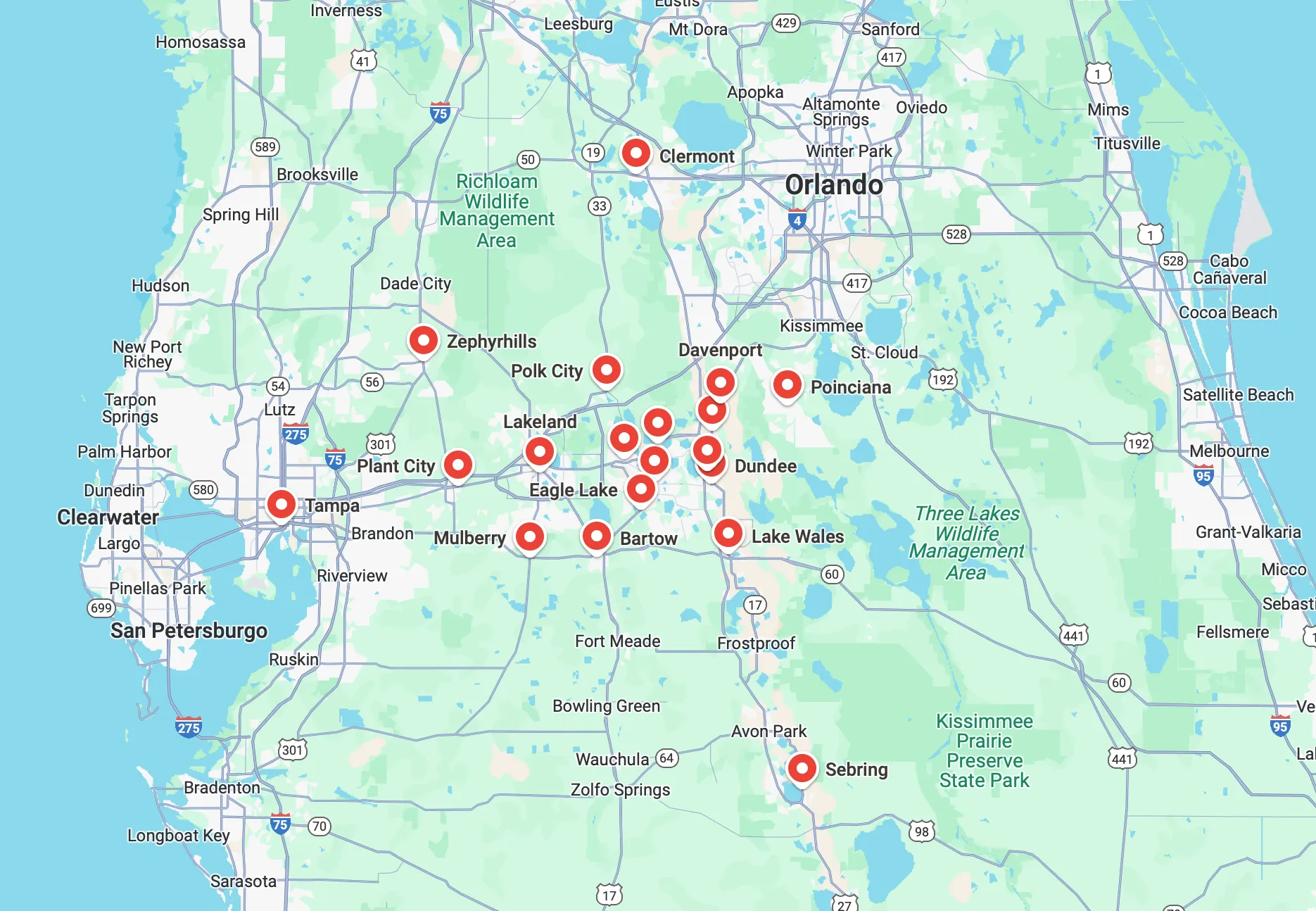
Service Areas