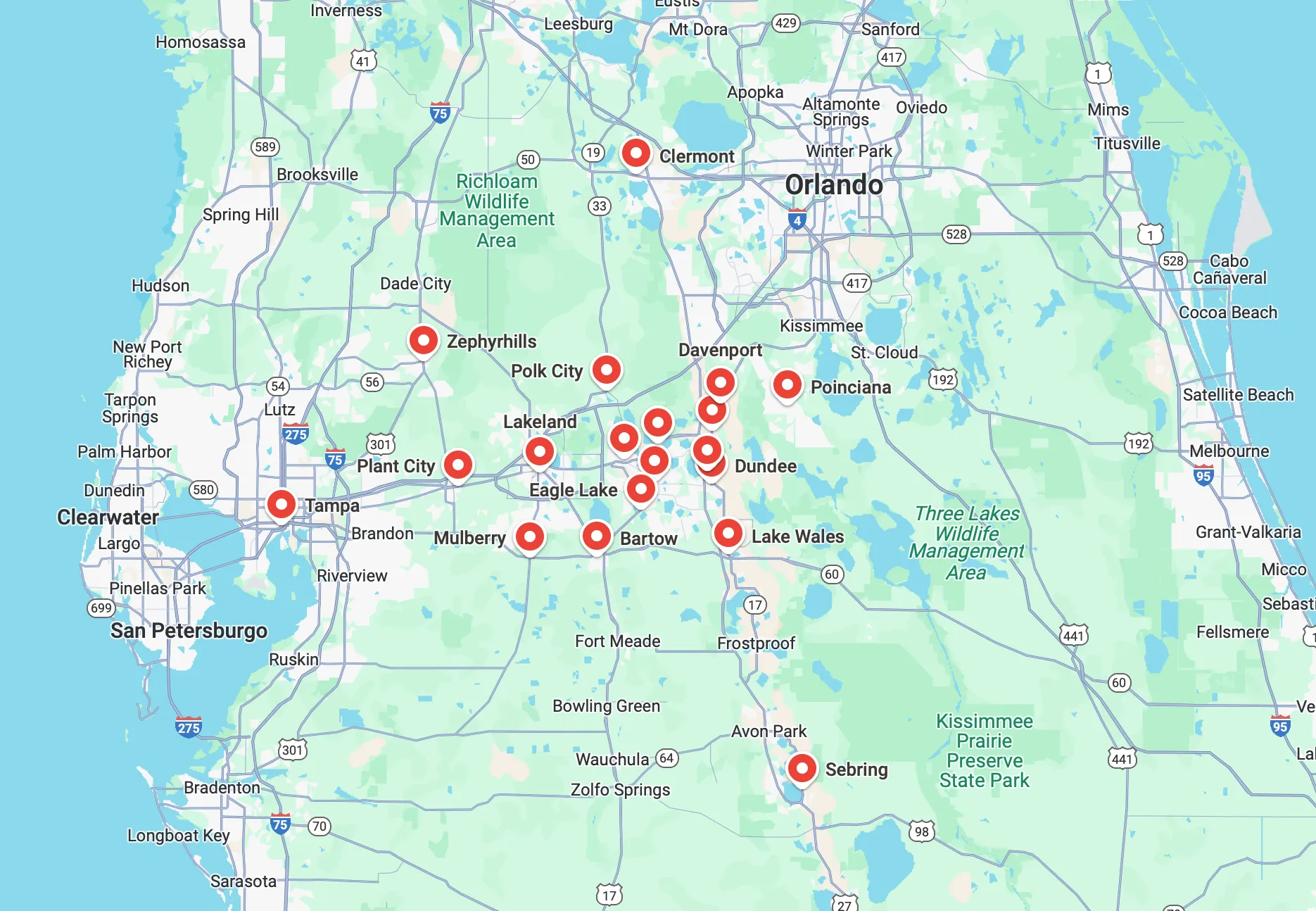
Whole House Dehumidification in Sebring, FL
IAQ Whole-House Dehumidification in Sebring, FL
High humidity is one of the most persistent comfort and building-health challenges for Sebring homes. An IAQ whole-house dehumidification system controls indoor humidity across every room, reducing mold, musty odors, and the strain on air conditioning systems.
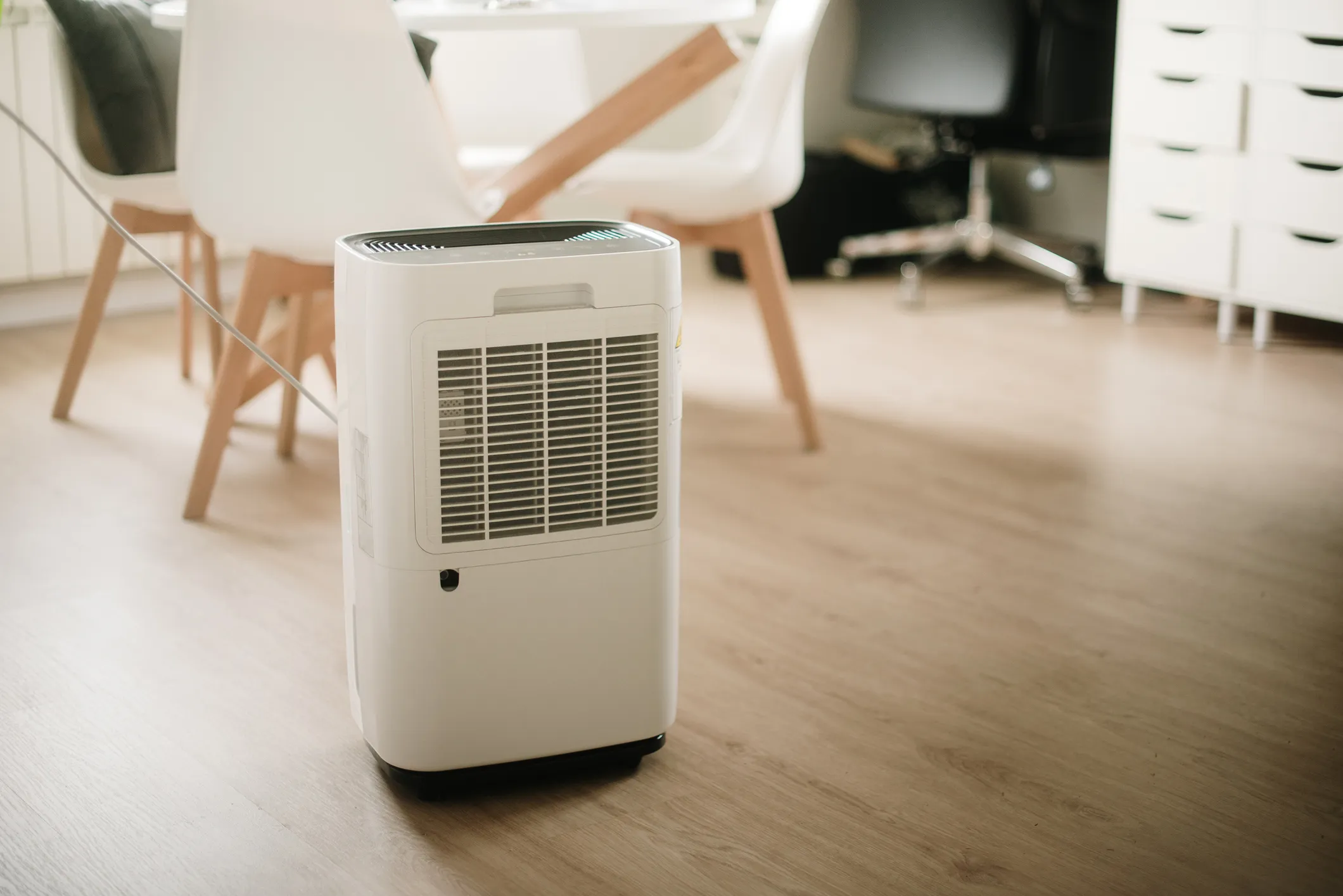
Why whole-house dehumidification matters in Sebring, FL
Sebring’s subtropical climate brings warm temperatures and high relative humidity for much of the year. Extended humid periods, frequent afternoon thunderstorms, and proximity to lakes and wetlands increase indoor moisture risk. Excess humidity in Sebring homes leads to:
- Increased mold and mildew growth on walls, closets, and in attics
- Musty odors and aggravated allergy or asthma symptoms
- Warmer perceived temperatures and higher A/C runtime
- Wood swelling, paint failure, and faster deterioration of finishes
- Corrosion of electronics and appliances
A properly sized IAQ whole-house dehumidifier keeps relative humidity in the recommended range, improving comfort, protecting finishes and contents, and lowering overall building deterioration.
Common dehumidification issues in Sebring homes
- Persistent 60%+ indoor relative humidity even when A/C is running
- Musty closets, sticky wood floors, or condensation on windows
- Mold spots in bathrooms, crawlspaces, and attic returns
- A/C short-cycling because of excess latent load
- Condensation on pipes or around recessed lighting
These are strong indicators a whole-house approach is more effective than portable units.
Types of whole-house systems and sizing basics
Whole-house dehumidification is typically delivered two ways:
- In-duct, integrated systems that connect to existing central HVAC air handler and remove moisture while preserving airflow.
- Dedicated bypass or cabinet systems mounted adjacent to the air handler or in mechanical rooms that draw return air, dehumidify it, and return dry air to the system.
Key sizing factors:
- Home square footage and number of occupants
- Typical indoor RH targets (45-55% is ideal for Sebring)
- Local climate humidity and seasonal variations
- Building envelope tightness and sources of moisture (crawlspaces, pools, basements)
- Existing HVAC capacity and ductwork condition
Dehumidifier capacity is expressed in pints of moisture removed per day. A common starting point is 50 to 70 pints/day for average-sized Florida homes, with larger or leak-prone homes requiring 90+ pints/day. Proper load calculation by a trained technician evaluates latent load separately from cooling load to pick the right capacity.
Integration with HVAC
Integrating an IAQ whole-house dehumidifier with your HVAC ensures even humidity control without compromising comfort:
- The dehumidifier often mounts to or near the air handler and ties into the return or supply plenum.
- Controls can be integrated into the thermostat or use a dedicated humidity controller for setpoint and hygrostat control.
- Drainage is routed to a condensate drain, utility sink, or condensate pump. Sewage connections should be avoided.
- Proper airflow must be maintained to prevent reduced cooling capacity or pressure issues. Ductwork should be assessed and sealed if needed.
Integration is designed to work in concert with air conditioning so cooling removes sensible heat while the dehumidifier removes latent moisture.
Installation steps you can expect
- On-site assessment and load calculation to determine capacity and placement
- Inspection and possible repair/sealing of ducts to ensure airflow and efficiency
- Mounting the dehumidifier in the mechanical closet, attic, or crawlspace and connecting to the HVAC plenum
- Electrical connection per code and wiring to the thermostat or dedicated controller
- Condensate drain installation with proper slope and trap, or condensate pump if needed
- System start-up, calibration of setpoints (ideally 45-55% RH in Sebring), and performance verification
A typical professional install balances minimal disruption with addressing any pre-existing airflow or drainage issues.
Maintenance and recommended operation
Routine maintenance keeps IAQ whole-house dehumidifiers efficient and durable:
- Check and clean or replace filters every 3 months or per manufacturer guidelines
- Inspect coils and drain lines twice a year; clean condensate trap to prevent clogs
- Verify condensate pump operation if installed, and ensure drain routing is clear
- Calibrate humidistat or smart controls seasonally; watch for readings over 55% or below 40%
- Annual professional service for refrigerant check, electrical inspection, and performance testing
Recommended operation for Sebring homes:
- Set RH target to 45-55% to prevent mold and limit dust mite populations while maintaining comfort
- Run continuously during humid months; modern systems modulate to maintain setpoint and are more efficient than frequent on/off cycles
- During hurricane season or extended power outages, dry the home promptly after power is restored to prevent mold blooms
Energy considerations and efficiency
Whole-house dehumidifiers add electrical load but can lower overall cooling energy by reducing latent load on the A/C. Efficiency tips:
- Choose a system modeled for IAQ performance and low power draw per pint removed
- Integrate with a high-efficiency HVAC system and ensure proper duct sealing and insulation
- Use smart controls that modulate operation and prioritize economy during mild humidity days
- Consider heat-recovery options or systems with variable-speed compressors for quieter, more efficient operation
The net effect for Sebring homes is often reduced A/C runtime, improved comfort, and avoided costs from moisture damage.
Common problems and straightforward fixes
- System runs constantly but RH still high: check for undersized unit, uncontrolled moisture sources (leaks, dryer vent, pool), or open attic/crawlspace access.
- Short cycling: may be caused by incorrect control wiring or oversized dehumidifier for the latent load.
- Frosting on coils: typically from low ambient conditions or restricted airflow; inspect airflow and defrost controls.
- Odors from drain or pump: clean condensate trap and lines; treat with interceptor designed for condensate.
- Electrical trips: confirm correct circuit sizing and that the breaker matches manufacturer requirements.
Long-term benefits
An IAQ whole-house dehumidification system in Sebring, FL delivers measurable long-term value:
- Reduced mold, mildew, and associated health risks
- More consistent comfort with lower perceived indoor temperatures
- Extended life for HVAC equipment, furniture, and building materials
- Better indoor air quality and reduced musty odors
- Lower risk of costly repairs from moisture damage
Proper sizing, professional integration with your HVAC, and routine maintenance maximize these benefits and ensure reliable performance throughout Sebring’s humid seasons.

Customer Testimonials

Service Areas