Home Air Filtration in Sebring, FL
IAQ Home Air Filtration in Sebring, FL
Keeping the air inside your Sebring home clean is more than comfort. With warm, humid summers, seasonal pollen and dust, and occasional storm-driven debris, indoor air quality is a year-round concern for Highlands County residents. IAQ home air filtration systems reduce particulates, allergens, and odors; protect HVAC equipment; and help control mold and moisture-related problems common in Central Florida homes.
.jpeg)
Why filtration matters in Sebring, FL
- High humidity encourages mold, mildew, and dust mite proliferation inside ducts and on surfaces. Filtration reduces airborne spores and particles that settle and feed microbial growth.
- Pollen from oak, ragweed, and grasses is common in spring and fall, leading to allergy symptoms that filtration can significantly reduce.
- Local dust from unpaved roads, lawn care, and agricultural activity increases particulate load, so homes with frequent door/window openings or older seals benefit from stronger filtration.
- Storms and tropical weather can introduce fine debris and increased airborne particles; a properly sized filtration system helps limit indoor contamination after weather events.
Common IAQ problems in Sebring homes
- Persistent allergies and respiratory irritation despite regular cleaning
- Musty odors and mildew indicating mold spores in the air or ductwork
- Fine dust settling quickly after cleaning, coming from outdoors or deteriorating HVAC filters
- Degraded HVAC performance or higher energy use due to clogged filters or dusty coils
- Odors from cooking, pets, yardwork, or occasional smoke
How filtration removes particulates - simple explanation
Filtration works by passing return air through media that captures particles. Different filters capture different particle sizes:
- Fibrous filters (pleated) trap larger particles like dust, pollen, and pet dander.
- High-efficiency media and HEPA filters capture much smaller particles, including fine dust, smoke, and most mold spores.
- Activated carbon filters adsorb gases and odors, reducing VOCs and cooking or pet smells.
- Electronic or electrostatic filters use charged elements to capture particles; these can be effective but require regular cleaning.
Selecting the right combination depends on your goals: allergen reduction, odor control, or protecting HVAC equipment.
Filter types and MERV ratings - what you need to know
- MERV (Minimum Efficiency Reporting Value) rates how well a filter captures particles in ranges from 0.3 to 10 microns. Higher MERV equals better capture of small particles.
- MERV 6 to 8: Basic protection for dust and large particles. Common in older or standard systems.
- MERV 8 to 11: Good for pollen, mold spores, and pet dander. Typical choice for allergy relief without major airflow impacts.
- MERV 12 to 13: Higher efficiency for fine particles, including some bacteria-sized particles. Recommended for homes with persistent allergies or smoke exposure.
- MERV 14 to 16 / HEPA: Near-medical-grade filtration. Captures very fine particles; HEPA filters capture 99.97% of particles 0.3 microns and larger.
- Important tradeoff: Higher MERV or HEPA can restrict airflow if the HVAC fan and ducting are not designed for it. Professional assessment avoids reduced system efficiency and compressor stress.
Typical IAQ filtration service process
1. Home assessment and diagnostic testing
- Visual inspection of returns, ducts, and filter housings.
- Measurement of static pressure and airflow to determine system capacity.
- Optional particle counting to quantify baseline indoor particulate levels and identify problem areas.
2. Recommendation and system selection
- Choose whole-house in-duct filter, media cabinet, or supplemental portable HEPA units based on needs, budget, and system compatibility.
- Consider activated carbon media for odors and UV lamps or improved ventilation for microbial control.
3. Installation
- Install the selected filter or media cabinet in the return plenum or dedicated filter rack.
- If upgrading to higher-efficiency media, adjust or verify blower capability and measure static pressure to confirm no excessive restriction.
- Seal or repair return ducts and filter frames to eliminate bypass leakage.
- For standalone HEPA units, place and size units to achieve required air changes per hour for targeted rooms.
4. Post-install testing and tuning
- Re-check airflow and static pressure.
- Verify filtration performance through particle count reduction or visual checks.
- Provide a maintenance plan tailored to filter type and local conditions.
Maintenance and filter replacement schedules
- Standard pleated filters (MERV 6-8): Inspect monthly; replace every 1 to 3 months depending on dust/pollen load.
- Higher-efficiency pleated filters (MERV 11-13): Replace every 3 to 6 months; inspect more often during heavy pollen seasons.
- Media cabinet filters: Typically last 6 to 12 months due to larger media area and capacity.
- HEPA filters (whole-house or portable): Pre-filters may need monthly cleaning or replacement; HEPA cartridge changes typically every 12 to 24 months based on usage and particle loading.
- Activated carbon cartridges: Replace based on odor breakthrough, usually 6 to 12 months.
- Electronic/electrostatic filters: Clean per manufacturer instructions, often monthly, and replace collection elements per schedule.
- After hurricanes, tropical storms, or heavy yardwork, inspect filters immediately and replace if soiled.
A tailored maintenance plan reduces energy use, extends HVAC life, and maintains promised IAQ performance.
Expected performance and realistic results
- Moving from a basic MERV 8 to a MERV 13 filter can reduce allergy-triggering particles and pollen by a large percentage, often noticeable in symptom reduction.
- HEPA filtration delivers the highest particle removal efficiency, particularly useful for severe allergy sufferers or households wanting near-complete particulate removal.
- Filtration reduces particulates but does not remove all gaseous pollutants unless combined with activated carbon or other gas-phase treatments.
- For mold control in Sebring, filtration helps reduce airborne spores but should be combined with humidity control and source remediation for effective long-term results.
Service options for Sebring homes
- Whole-house in-duct filter upgrades and media cabinet installation
- System compatibility and airflow diagnostics with static pressure testing
- Installation of HEPA-capable solutions, either whole-house or room-specific units
- Activated carbon add-ons for odor and VOC reduction
- UV germicidal lamp integration to target microbial growth on coils and in duct surfaces
- Duct sealing and targeted cleaning to complement filtration and improve system efficiency
- Seasonal maintenance plans timed for Sebring pollen peaks and hurricane season preparation

Customer Testimonials

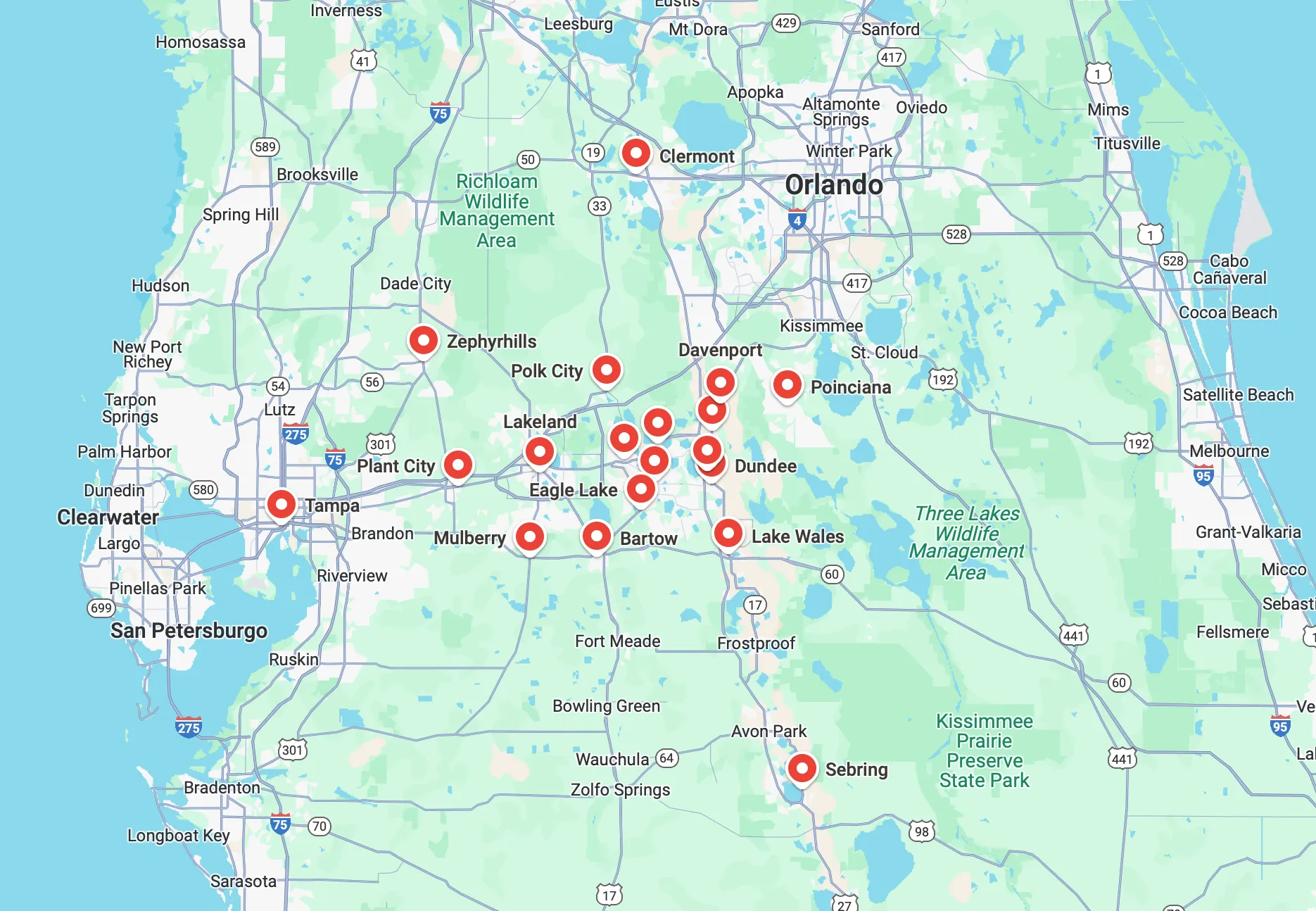
Service Areas