Whole House Dehumidification in Poinciana, FL
IAQ Whole-House Dehumidification in Poinciana, FL
Proper humidity control is one of the most effective ways to protect comfort, indoor air quality, and the structure of homes in Poinciana, FL. An IAQ whole-house dehumidification system controls moisture across every room by working with your HVAC system to keep indoor relative humidity in the optimal range. In Poinciana’s warm, humid climate this reduces mold and mildew risk, stops condensation on windows and walls, preserves wood floors and cabinetry, and can even lower perceived cooling costs by letting you keep the thermostat a few degrees higher while feeling comfortable.
.jpeg)
Why whole-house dehumidification matters in Poinciana, FL
- Florida’s subtropical climate means high outdoor humidity year-round and frequent heavy rain during the wet season. That moisture readily migrates indoors.
- Typical air conditioning removes some moisture, but central AC is sized for temperature control, not dehumidification. Short cycling or oversized systems often leave indoor relative humidity elevated.
- High indoor humidity can lead to mold growth in attics, wall cavities, closets, and under flooring - common problems in central Florida homes - and aggravate allergies and asthma.
- Condensation on windows, metal surfaces, and HVAC ducts can accelerate corrosion and finish damage in coastal and inland areas alike.
Common IAQ whole-house dehumidification issues in Poinciana
- Musty odors in living spaces or closets, often indicating elevated humidity or hidden mold.
- Persistent condensation on windows, doors, or in window frames after humid nights.
- HVAC runs frequently but rooms still feel sticky - sign that temperature is controlled but moisture remains.
- Visible mold or mildew in bathrooms, laundry rooms, attics, or behind kitchen cabinets.
- Warped wood floors, swollen furniture, or peeling paint and trim.
Types of whole-house dehumidifiers and how they work
- Refrigerant (compressor-based) whole-house dehumidifiers: the most common choice in Florida. These are installed into the HVAC return plenum or next to the air handler and remove moisture by cooling air over coils, collecting condensate, and returning drier air to ductwork.
- Desiccant dehumidifiers: use a drying material to absorb moisture and are more effective at lower temperatures. They are less common for typical Florida homes but useful in specific situations (e.g., spaces requiring very low humidity).
- Integrated IAQ packages: combine dehumidification with filtration and ventilation controls so moisture, particulates, and fresh air are managed together for better overall indoor air quality.
The installation process - what to expect
- Load and humidity assessment: a professional will measure indoor relative humidity in multiple rooms, review attic and crawlspace conditions, and determine moisture loads based on home size, occupancy, and local climate patterns.
- Sizing and system selection: correct capacity is crucial. Undersized units can run constantly without reaching target humidity; oversized units short-cycle and perform poorly. Systems are sized to address the specific moisture load, not just square footage.
- Integration with HVAC: most whole-house dehumidifiers are installed in the return plenum or adjacent to the air handler and wired into the thermostat or a dedicated humidistat dehumidistat for precise RH control.
- Drainage planning: typical options include gravity drain to an existing condensate line, tying into a nearby floor drain, or installing a condensate pump where gravity drain isn’t available. Proper slope, trap arrangement, and a secure discharge point prevent backups.
- Controls and setpoints: recommended indoor relative humidity in Poinciana is generally in the 45–55% range to balance comfort and mold prevention. Controls can be simple humidistats or smart thermostats with humidity management.
Maintenance and ongoing requirements
- Monthly or quarterly visual checks: inspect condensate lines for clogs, ensure the drain pan is draining, and look for unusual noises or leaks.
- Filter and coil care: many units have filters or washable screens that should be cleaned or replaced periodically. Annual HVAC/IAQ maintenance typically includes coil cleaning and a system performance check.
- Condensate pump servicing: pumps wear out over time and should be inspected yearly; replace if noisy or intermittent.
- Controls calibration: verify humidity sensors and setpoints seasonally, especially before the wet season, to keep the system operating efficiently.
Energy considerations and operating costs
- Whole-house dehumidifiers consume electricity, but they are more energy-efficient for whole-home moisture control than multiple portable units or running AC longer to remove moisture.
- A properly sized dehumidifier can reduce overall cooling energy by allowing you to set the thermostat a few degrees higher while maintaining comfort. That tradeoff can offset the dehumidifier’s operating load.
- Smart controls and integrated systems maximize efficiency by targeting humidity rather than running continuously. Scheduling and demand-based operation during peak humidity hours reduces waste.
How whole-house dehumidification reduces risk and preserves your home
- Mold and mildew prevention: lowering indoor RH to the recommended range slows or prevents fungal growth on surfaces and inside wall cavities.
- Condensation and corrosion control: stable humidity reduces wet surfaces that lead to metal corrosion and finish deterioration.
- Structural and content protection: wood floors, trim, furniture, and personal items maintain stability longer when humidity is controlled.
- Improved occupant comfort and health: drier air reduces dust mite populations and lessens triggers for allergies and respiratory issues.
What to expect during a professional assessment
- Expert technicians perform a humidity map of your home, accounting for high-risk zones (attic access points, laundry rooms, bathrooms).
- They recommend a specific system type and capacity, drainage plan, and control strategy tailored to Poinciana’s climate and your home’s construction.
- Documentation of expected performance: target RH range, estimated runtime, and maintenance schedule so you can evaluate long-term benefits and energy implications.
Whole-house dehumidification is a practical, long-term solution for homes in Poinciana, FL that struggle with humidity-related problems. By choosing the appropriate system, ensuring correct installation and drainage, and following a regular maintenance schedule, homeowners protect indoor air quality, reduce mold risk, and preserve the comfort and value of their property in Central Florida’s humid environment.

Customer Testimonials

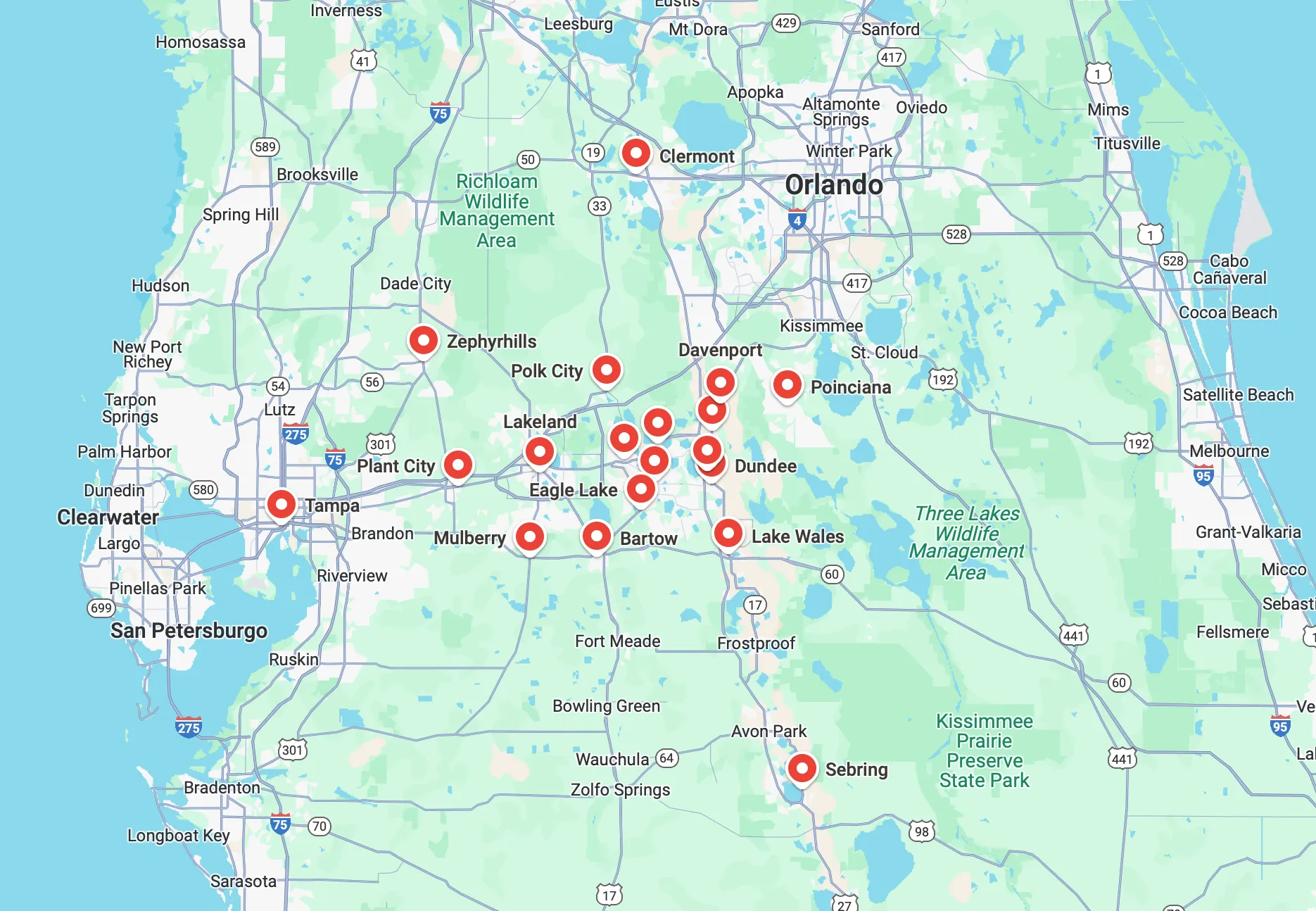
Service Areas