




Whole House Air Filtration in Poinciana, FL
IAq Whole-House Air Filtration in Poinciana, FL
Indoor air quality is one of the most important but often overlooked elements of home comfort and health. For homeowners in Poinciana, FL, a dedicated IAq whole-house air filtration system captures fine particles throughout your entire living space, reduces allergy triggers, and improves respiratory comfort year round.
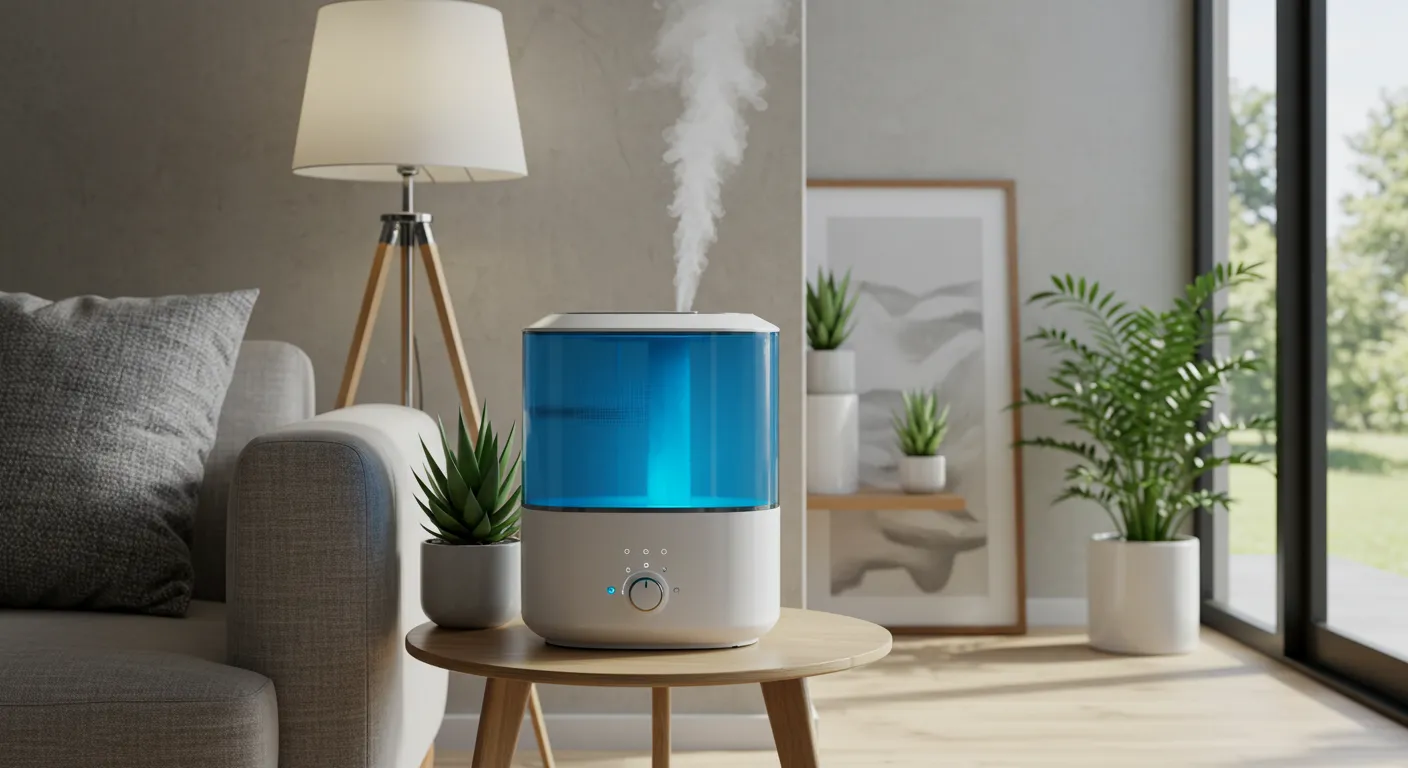
Common IAQ issues in Poinciana, FL homes
Poinciana’s climate and neighborhood characteristics create a specific set of indoor air challenges. Typical issues local homeowners face include:
- High pollen loads during spring and fall, aggravating seasonal allergies.
- Elevated indoor humidity for much of the year, increasing the risk of mold spores and dust mite populations.
- Outdoor dust and agricultural particulates carried in from nearby areas.
- Pet dander and household dust that circulate continuously through HVAC systems.
- Odors from cooking, yard care, or nearby activity that linger in enclosed spaces.
Understanding these drivers is essential when selecting a whole-house filtration strategy that addresses both particulate removal and odor or gas control when needed.
Whole-house filtration options and how they differ
There are several proven approaches to whole-home air filtration. Each has tradeoffs in filtration efficiency, airflow impact, and maintenance.
- High-efficiency pleated filters (MERV-rated)
- What they do: Capture larger particles like pollen, most dust, and pet dander. MERV ratings range from 8 to 13 for common upgrades.
- Best for: General dust and allergy reduction with minimal HVAC impact.
- True HEPA filtration (whole-home HEPA systems)
- What they do: Remove very fine particles down to 0.3 microns, including many allergens and some smoke particles.
- Best for: Families with serious allergy or respiratory concerns. Requires compatible HVAC design or a dedicated bypass system.
- Electronic air cleaners and ionizers
- What they do: Electrically charge particles so they stick to collector plates or surfaces.
- Best for: High particulate capture without bulky filters. Requires periodic cleaning of collector plates.
- Activated carbon or catalytic media
- What they do: Adsorb odors, VOCs, and gaseous pollutants that particulate filters cannot remove.
- Best for: Homes with persistent odors, chemical sensitivities, or VOC concerns.
- UV light combined with filtration
- What they do: Inhibit microbial growth on coils and in ductwork; complements filtration but does not replace it.
- Best for: Homes that struggle with mold or bacterial growth around HVAC components in humid climates.
Combining technologies is common. For example, a high-MERV pleated filter with an activated carbon stage handles both particulates and odors without excessive pressure drop.
Installation considerations for Poinciana homes
A reliable outcome depends on proper sizing and integration with your existing HVAC system.
- HVAC compatibility: Not all furnaces or air handlers tolerate high-MERV or HEPA-level resistance. Professional evaluation is necessary to avoid reduced airflow or equipment strain.
- Static pressure and airflow: Higher-efficiency filters can increase static pressure. Your installer should measure and confirm the system maintains adequate airflow for comfort and efficiency.
- Placement and bypass design: Whole-home HEPA often uses a bypass or stand-alone unit to avoid stressing the central air handler. Ducted solutions require correct placement of return and supply pathways.
- Duct integrity: Leaky ducts undermine filtration effectiveness. Sealing and insulating ducts improves performance, especially in older or flexible-duct installations common in Central Florida developments.
- Electrical needs and space: Electronic cleaners, UV lamps, or powered in-line filters may require electrical connections and dedicated space near the air handler.
Maintenance schedule and what to expect
Keeping a whole-house filtration system performing requires predictable upkeep, especially in Poinciana’s climate.
- Pleated and MERV filters: Replace every 3 to 12 months depending on MERV rating, household occupancy, and contaminants like pets or high pollen. Check quarterly during high pollen season.
- HEPA modules and media filters: Inspect annually; media replacements are typically every 1 to 3 years depending on loading and manufacturer guidance.
- Electronic collectors and UV lamps: Clean collector plates or wipes monthly to quarterly; UV lamps typically require annual replacement.
- Professional inspection: Annual HVAC and filtration inspections ensure seals, static pressure, and airflow remain within recommended ranges.
A properly maintained whole-house system reduces airborne particulates consistently and prevents pressure-related HVAC issues.
Expected impact on allergies and respiratory comfort
Upgrading to whole-house IAq filtration provides measurable improvements in indoor air quality and daily comfort.
- Reduced seasonal allergy symptoms: Removing pollen and fine particulates from the air reduces the concentration of common triggers entering bedrooms and living areas.
- Fewer dusting and cleaning cycles: Homes with better filtration see less visible dust accumulation on surfaces and electronics.
- Lower mold spore circulation: Better filtration combined with proper humidity control reduces airborne mold spores, important in Poinciana’s humid months.
- Improved sleep and respiratory comfort: Cleaner air in bedrooms results in better sleep quality for many allergy and asthma sufferers.
- Odor reduction: Systems with activated carbon stages reduce cooking, pet, and outdoor odors that trap in air-conditioned homes.
While individual results vary based on home envelope, occupancy, and source control measures, homeowners typically notice significant improvement within days to weeks after installation.
What to consider when choosing a whole-house IAq system
Before deciding, use this checklist tailored to Poinciana conditions:
- Evaluate your primary problem: allergies, dust, odors, or mold.
- Check your current HVAC capacity and duct condition.
- Decide on tradeoffs between filtration effectiveness and energy or airflow impacts.
- Consider combining HEPA or high-MERV filtration with activated carbon if odors or VOCs are a concern.
- Plan for seasonal maintenance cycles aligned with local pollen and humidity patterns.
- Factor in long-term savings from reduced cleaning and better HVAC efficiency when ducts are sealed and filters maintained.
Choosing the right whole-house IAq solution is about matching technology to your home and health needs, not simply choosing the highest efficiency rating.

Customer Testimonials

Service Areas
