Whole House Dehumidification in Mulberry, FL
IAq Whole-House Dehumidification in Mulberry, FL
High humidity is a defining feature of Central Florida living. In Mulberry, FL, long, warm summers, frequent afternoon thunderstorms, and a long wet season mean indoor relative humidity often climbs well above comfortable and safe levels. IAq whole-house dehumidification systems integrated with your HVAC address that latent moisture directly, keeping indoor humidity in the ideal range, reducing mold risk, improving comfort, and protecting your home and belongings.
Why Mulberry homes need whole-house dehumidification
- Central Florida climate: Hot, humid air and high dew points make it easy for indoor RH to stay above 60 percent most of the year.
- Storm and hurricane season: Heavy rainfall and power interruptions raise the risk of lingering moisture and mold after weather events.
- Typical signs local homeowners report: persistent musty smells, condensation on windows, clammy rooms despite running the AC, dust mite and allergy flare ups, and wood rot or peeling paint in porous materials.
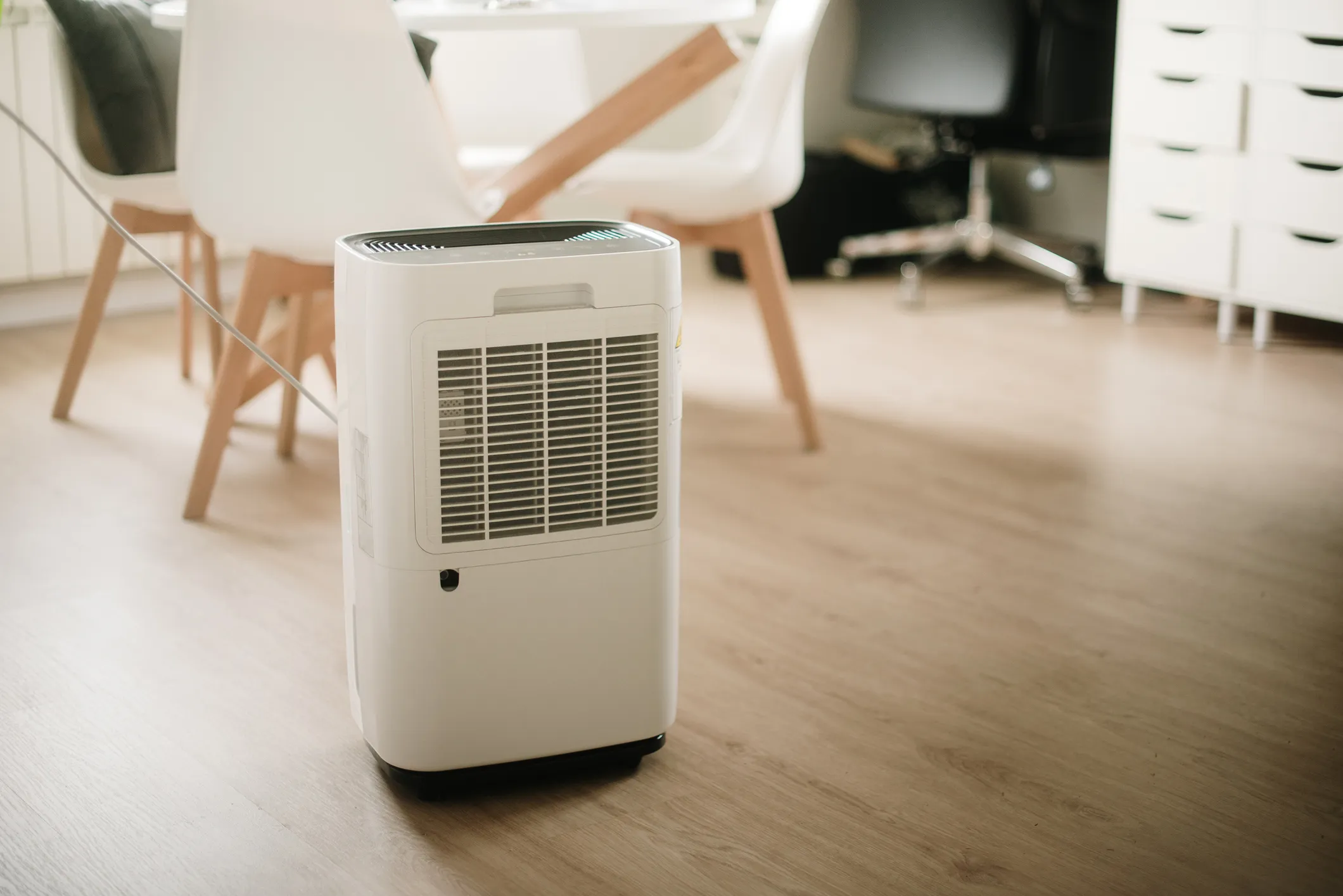
A whole-house IAq dehumidifier treats the entire conditioned space rather than just individual rooms. For homes in Mulberry, that difference matters because humidity problems are often systemic, not isolated.
Common IAq dehumidification issues in Mulberry, FL
- High baseline indoor humidity (often 60 to 70 percent if uncontrolled)
- Mold and mildew in closets, crawlspaces, attics, and on drywall
- Condensation on windows, pipes, and ductwork
- Persistent musty odors after heavy rain or AC cycling
- HVAC short cycling due to high latent loads
- Uneven humidity from room to room, especially in larger or zoned systems
How IAq whole-house dehumidification works with your HVAC
Whole-house systems are integrated into your home’s central air system. Key components and operation basics:
- A dedicated dehumidification unit connects to the return or supply ducts or is co-located with the air handler.
- It removes moisture from the air (latent load) through a refrigeration or desiccant process and drains condensate away via piping.
- The system uses a dedicated humidistat or a control integrated with the thermostat to maintain a set humidity target.
- Some systems include variable-speed blowers or ECM motors for efficient airflow and improved moisture removal at lower temperatures.
Integration ensures balanced airflow and whole-home coverage, which portable dehumidifiers cannot reliably provide.
Recommended humidity targets for Mulberry, FL
- Aim for 45 to 55 percent relative humidity in warm months. This range balances comfort, mold prevention, and energy use in hot-humid climates.
- In peak wet conditions, keeping RH below 60 percent significantly reduces mold and dust mite activity.
- Avoid setting RH below 40 percent long term in summer, as that can be uncomfortable and promote excessive drying of wood trim.
Sizing and installation considerations
Proper sizing and installation determine system effectiveness:
- Load assessment: Technicians measure home size, envelope tightness, occupancy, cooking/laundry habits, presence of pools or spas, and local climate data to estimate latent load.
- Compatibility: Ensure the dehumidifier matches the HVAC air handler capacity, duct sizing, and electrical service. Whole-house units are sized to the home rather than to individual rooms.
- Drainage: Plan a reliable condensate drain route to a floor drain, condensate pump, or exterior line with proper trap to prevent sewer gas intrusion.
- Controls and sensors: Use a dedicated humidistat or an integrated controller with remote sensors for consistent readings in multiple areas.
- Placement: Install where airflow is optimal and access for maintenance is convenient. Duct connections must be sealed and insulated where needed to avoid condensation.
- Post-storm planning: Consider higher-capacity options or standby strategies to manage elevated indoor moisture after severe weather events common in Mulberry.
Maintenance and typical service tasks
Routine maintenance keeps an IAq whole-house system performing in Mulberry’s demanding climate:
- Quarterly or semiannual visual checks during peak season: inspect drain lines, traps, condensate pan, and control wiring.
- Replace or clean air filters per manufacturer guidance to maintain airflow.
- Annual service: coil cleaning, airflow measurement, refrigerant and electrical checks, and humidistat calibration.
- Watch for signs of failure: persistent high humidity despite system operation, visible leaks, ice on coils, or unusual noises.
- After major storms: inspect for water intrusion and verify the dehumidifier is operating; extended power outages can allow mold growth that requires fast response.
Energy implications and efficiency tradeoffs
Dehumidification consumes electricity, but whole-house systems are more energy efficient and effective than using room units or overcooling to remove moisture:
- Dehumidifiers remove latent load directly. When indoor humidity is controlled, the AC can run more efficiently because it focuses on sensible cooling rather than excessive latent removal.
- Properly sized systems with variable-speed components use energy more efficiently and avoid frequent on/off cycles.
- Whole-house units eliminate the inefficiency of running multiple portable units and reduce the need to overcool the home to feel comfortable.
- Expect an energy tradeoff: electricity consumption increases compared to running AC alone, but overall comfort improves and HVAC longevity may increase because the system handles a more balanced load.
- Consider controls that allow seasonal setpoints or coordinated operation with the air conditioner to optimize energy use during cooler or drier periods.
Benefits beyond comfort
- Mold prevention and reduced allergen levels: Lower indoor RH slows mold growth and limits dust mite populations, improving indoor air quality and health outcomes.
- Protects home components: Wood flooring, cabinets, drywall, and electronics fare better when humidity is controlled.
- Improved perceived cooling: You can tolerate a higher thermostat setting when relative humidity is controlled, which can indirectly reduce energy use.
- Post-storm resilience: Faster drying and lower mold risk after flooding or leaks.

Customer Testimonials

Service Areas