Whole House Air Filtration in Mulberry, FL
IAQ Whole-House Air Filtration in Mulberry, FL
Indoor air quality matters in Mulberry, FL where warm, humid weather, seasonal pollen and frequent storms can increase airborne allergens and mold spores. A properly designed IAQ whole-house air filtration system filters air as it passes through your HVAC, reducing particulates, odors and biological contaminants across every room.
.webp)
Why whole-house filtration helps homes in Mulberry, FL
Mulberry’s subtropical climate encourages year-round pollen and high indoor humidity, both of which contribute to common indoor triggers:
- Seasonal pollen from trees and grasses that inflames allergy sufferers.
- Dust mite populations and mold growth amplified by humidity and storm-related moisture.
- Outdoor particulates and road dust carried inside after yard work or storms. Whole-house filtration treats the air that passes through your central HVAC rather than relying on portable room units, delivering consistent filtration to bedrooms, living areas and common spaces without moving units around.
Common whole-house filtration options and what they remove
Understanding filter types helps match performance to health needs and HVAC compatibility.
- MERV filters (Minimum Efficiency Reporting Value)
- MERV 8: Removes larger particles like dust, lint and pollen; suitable for basic protection.
- MERV 11: Better removal of smaller particles including fine dust, pet dander and some mold spores.
- MERV 13: Recommended for allergy/asthma sufferers; captures a majority of fine particles down to 0.3-1.0 micron range while still usable in many modern HVAC systems.
- HEPA filtration
- True HEPA filters remove 99.97% of particles 0.3 micron in size and are standard for medical and lab settings. In whole-house applications, HEPA often requires a dedicated in-duct or cabinet-mounted unit and attention to airflow and static pressure.
- Activated carbon
- Reduces VOCs and odors from cooking, cleaning products and outdoor sources. Often paired with particulate filters for combined benefits.
- Electronic and electrostatic filters
- Use ionization to collect particles on plates; they can be effective but require regular cleaning and may produce small amounts of ozone if not designed correctly.
Typical installation process for Mulberry homes
A professional-grade installation ensures filtration performance without compromising HVAC operation.
1. Home and system assessment
- Inspect your existing HVAC, ductwork, blower capacity and return grille locations. Evaluate static pressure limits and determine whether the system can handle higher-efficiency filters like MERV 13 or HEPA.
2. System selection
- Choose between a filter upgrade at the furnace/air handler, a dedicated in-duct HEPA cabinet, or a whole-house media filter that fits the return plenum. Consider adding activated carbon or UV options for mold control.
3. Preparation and duct sealing
- Seal return plenum and ductwork to reduce bypass and ensure air is pulled through the filter. In Mulberry’s humid climate, sealing also reduces infiltration of hot, moist air that encourages mold.
4. Physical installation
- Install the filter cabinet or media filter in the return or air handler. Ensure proper orientation, secure fasteners and maintain access for filter changes.
5. Commissioning and testing
- Measure static pressure, airflow and verify the system does not exceed manufacturer limits. Test filtration performance using particle counts or visual inspection and confirm balanced airflow to occupied spaces.
Expected performance and what to expect after installation
- Particle reduction: Upgrading to MERV 11-13 or HEPA typically results in a significant drop in pollen, dust mite fragments, pet dander and mold spore counts indoors.
- Symptom relief: Many allergy and asthma sufferers report fewer symptoms, better sleep and reduced nighttime coughing when airborne allergen loads fall.
- Energy and comfort: High-efficiency filters can increase system resistance. Proper sizing and installation prevent undue strain on the blower; in some cases a blower motor upgrade or return duct modifications are recommended.
- Odor and VOC control: Activated carbon stages reduce odors and some volatile organic compounds when included in the system.
Maintenance and filter replacement in Mulberry conditions
Maintenance frequency depends on filter type, household factors and local conditions. Mulberry homeowners should pay attention to humidity and seasonal pollen peaks.
- Replacement schedule guidelines
- Disposable MERV 8-11: inspect every 1-3 months; replace every 3 months or sooner with heavy use or visible loading.
- MERV 13 and higher disposable filters: inspect monthly; many installations call for replacement every 2-3 months.
- Whole-house media filters: lasting 6-12 months depending on media and loading.
- HEPA modules: pre-filters usually change every 3 months; HEPA element replacement intervals vary by design and loading, commonly 1-3 years.
- Activated carbon: replacement depends on contaminant load; inspect with every service.
- Seasonal checks
- Before spring pollen season and after hurricane season inspect filters and ductwork for moisture or mold.
- Signs you need service
- Increased allergy symptoms despite filtration, unusually high dust accumulation, reduced airflow or higher-than-normal energy use can indicate clogged filters or duct issues.
- Preventive measures
- Use a whole-house dehumidifier if indoor humidity exceeds recommended levels (generally 40-50 percent) to limit dust mites and mold growth in Mulberry’s humid climate.
- Keep return grills clean and avoid blocking airflow. Change pre-filters promptly after heavy pollen days or following yard work.
Diagnostics, common issues and professional solutions
Common issues that reduce whole-house filtration effectiveness and how they are addressed:
- High static pressure or reduced airflow
- Cause: overly restrictive filter relative to the blower capacity or clogged media. Solution: verify blower capability, switch to appropriately rated filter or add a dedicated in-duct unit with its own fan.
- Duct leaks and bypass
- Cause: gaps, poor sealing or disconnected segments letting unfiltered air in. Solution: duct sealing, professional cleaning and proper filter cabinet installation.
- Moisture and microbial growth in ducts
- Cause: high humidity, roof leaks or poor drainage after storms. Solution: address moisture sources, perform targeted cleaning and include UV or antimicrobial stages if needed.
- Incompatible retrofits
- Cause: adding HEPA without modifying the system. Solution: use properly designed cabinet-mounted HEPA with its own fan or consult HVAC for blower upgrades and pressure monitoring.
Long-term benefits for allergy and asthma sufferers in Mulberry
Over time, a correctly specified and maintained whole-house filtration system provides measurable health and comfort improvements:
- Lower indoor allergen loads and fewer triggers for asthma attacks.
- Better sleep and reduced reliance on symptomatic relief due to fewer nighttime exposures.
- Consistent whole-home coverage including closed rooms and bedrooms, which portable units cannot always achieve.
- Protection during high-pollen periods and after weather events that stir up outdoor particulates.
A whole-house IAQ solution tailored to Mulberry’s climate and your home’s HVAC system helps create a healthier indoor environment. Proper assessment, compatible filter selection, professional installation and routine maintenance are key to maximizing performance and long-term benefits for allergy and asthma management.

Customer Testimonials

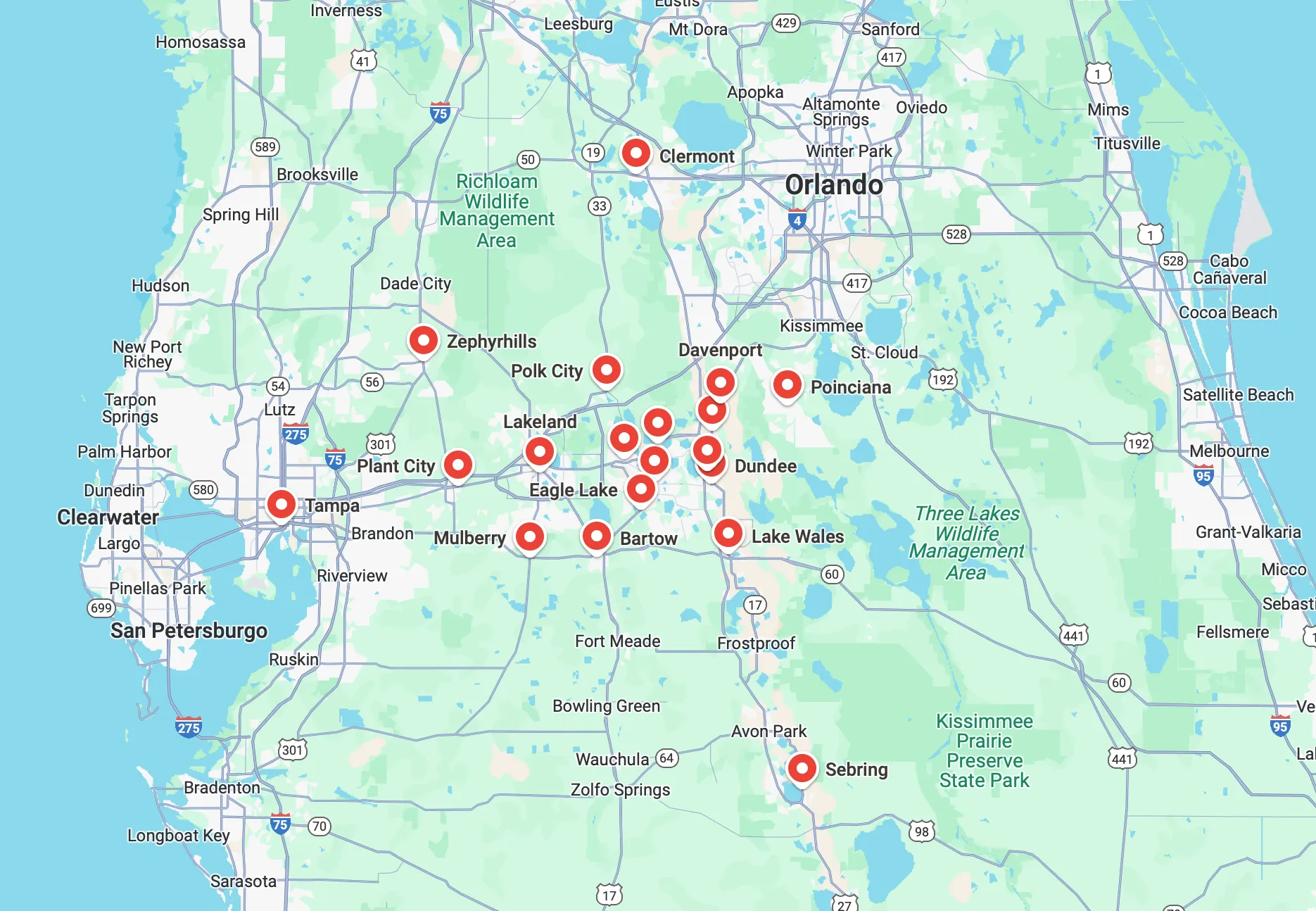
Service Areas