Whole House Dehumidification in Eagle Lake, FL
IAQ Whole-House Dehumidification in Eagle Lake, FL
High humidity is one of the biggest indoor comfort and health challenges for Eagle Lake, FL homes. IAQ whole-house dehumidification systems integrated with your HVAC control indoor moisture evenly throughout the home, reducing musty odors, limiting mold growth, protecting wood and electronics, and helping your air conditioner run more efficiently.
Why whole-house dehumidification matters in Eagle Lake, FL
Eagle Lake sits in central Florida where warm temperatures and frequent rainfall combine to create high indoor relative humidity for much of the year. Typical local impacts include:
- Persistent musty or damp smells, especially after heavy rain or during summer highs
- Mold and mildew on walls, bathrooms, attics, and crawlspaces
- Swollen wooden doors and trim, and accelerated wear on wood furniture and instruments
- Increased dust mite and allergen levels
- Air conditioners that run longer and cycle more often to try to remove moisture, increasing energy use
A properly sized IAQ whole-house dehumidification system treats the entire ducted HVAC zone, keeping relative humidity (RH) in a target range so your home feels comfortable without overcooling.
Target humidity levels for Eagle Lake homes
Industry guidelines for occupied homes generally target:
- Ideal range: 45 to 55 percent RH for year-round comfort and mold prevention
- Summer goal in Florida: keep RH at or below 50 percent to limit mildew and dust mites
- Avoid going below 30 to 35 percent RH to prevent excessively dry air and damage to wood
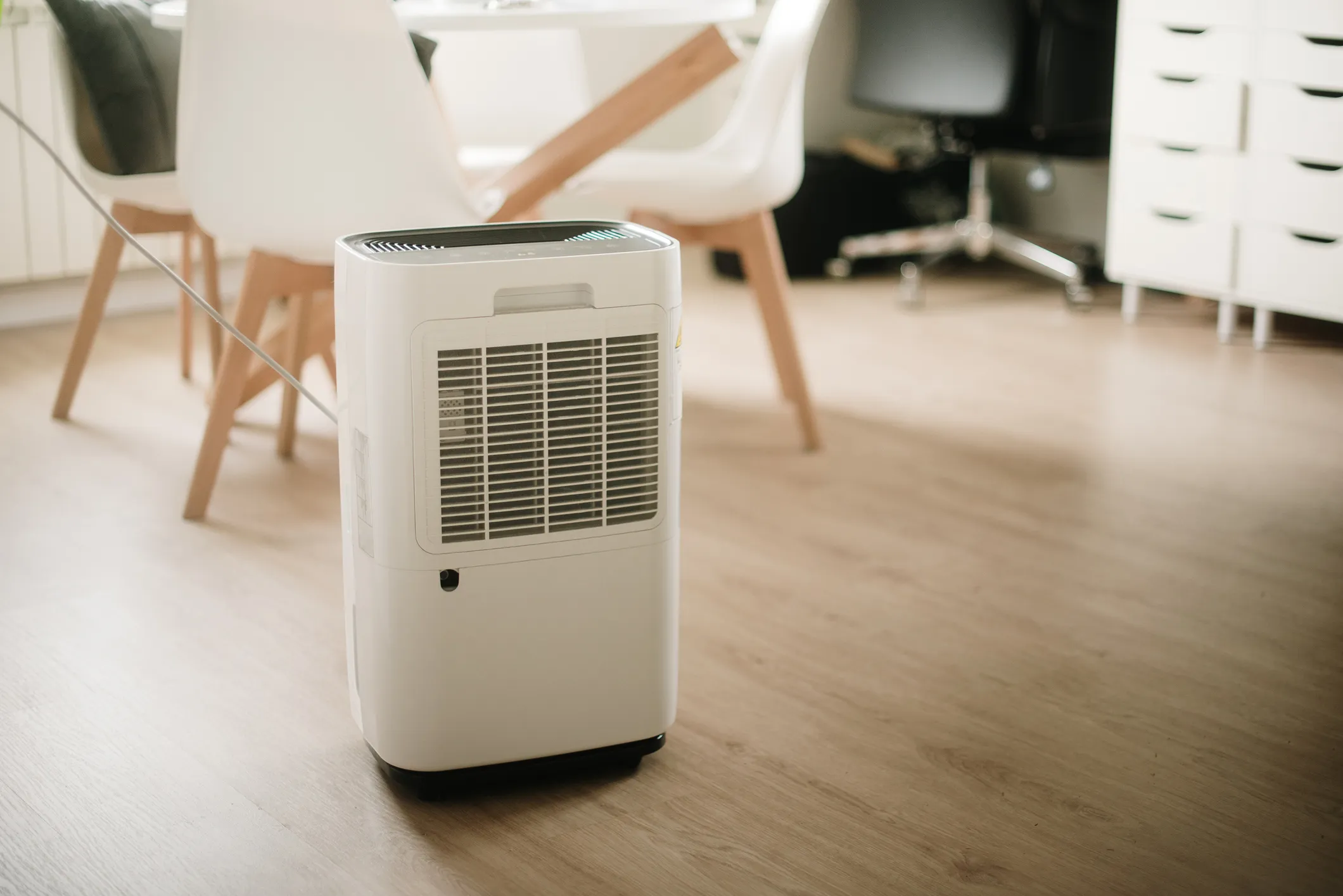
Whole-house systems use a humidistat that works with your HVAC controls to maintain those setpoints across the whole living space, not just the room where a portable dehumidifier sits.
Common whole-house dehumidification issues in Eagle Lake, FL
Recognizing these problems helps determine whether a whole-house system is the right solution:
- Uneven humidity: Basements, bathrooms, or second floors feel more humid than main living areas
- Continuous condensation on windows and doors during humid months
- Recurring mold or mildew on painted surfaces, window sills, or in closets
- Air conditioner runs nearly nonstop yet humidity remains high
- Portable dehumidifiers struggle to keep up and add noise and maintenance
These are common whole-house dehumidification issues in Eagle Lake that signal a need for integrated, ducted dehumidification.
How whole-house dehumidification systems work
Whole-house dehumidifiers are typically installed in the HVAC ductwork or adjacent to the air handler. Key points:
- They remove moisture from the return air stream before conditioned air is distributed.
- Systems are controlled by a humidistat and can work independently of the cooling call, so the system can reduce humidity without excessive cooling.
- Two main types: refrigerant-based dehumidification (most common for residential HVAC) and desiccant systems (used in specific low-temperature or high-performance applications).
- Properly matched capacity is essential so the dehumidifier can handle summer peaks without short-cycling.
Installation considerations for Eagle Lake homes
Planning and proper installation are critical for performance and longevity. Important factors specific to Eagle Lake include:
- Load calculation: Technician evaluates your home size, insulation, air changes, and local climate to size the dehumidifier correctly.
- HVAC compatibility: Many modern air handlers support integrated dehumidifiers; older systems may need an upgraded control board, drain provision, or dedicated unit.
- Drainage and water table: Central Florida has a relatively high water table. Expect routing of condensate to a sanitary drain or use of a condensate pump if gravity drainage is not possible. Correct drainage prevents backup and mold growth.
- Ventilation balance: In humid climates, bringing in large volumes of outdoor air without conditioning can increase indoor humidity. Integration with ERV or HRV systems or controlled ventilation strategies is important.
- Sealing and insulation: Attic and crawlspace ventilation, vapor barriers, and sealing gaps reduce moisture intrusion and improve dehumidifier efficiency.
- Space considerations: Units require adequate access for service and a safe, drainable location near the air handler or within the duct run.
What to expect during a professional installation or service visit
When a service visit is scheduled for whole-house dehumidification in Eagle Lake, typical steps include:
- Home assessment: Measure indoor RH in multiple rooms, inspect ductwork, air handler condition, and potential moisture sources like crawlspaces or pools.
- Load and sizing recommendation: Determine required pints per day capacity based on square footage and local humidity patterns.
- Integration planning: Decide unit location, condensate routing, electrical needs, and control wiring to work with your thermostat.
- Installation: Mount unit, connect to ductwork and condensate drain, program humidistat or control settings, and test operation.
- Post-install testing: Verify humidity control across zones, check airflow, and confirm condensate is draining properly.
Maintenance and long-term care
Routine maintenance keeps IAQ whole-house dehumidifiers working efficiently:
- Replace or clean HVAC filters and any dehumidifier pre-filters regularly
- Annual inspection of coils, fan motor, and refrigerant circuit if applicable
- Clear and test condensate drain lines and condensate pump if present
- Check humidistat accuracy and recalibrate if readings drift
- Inspect ductwork for leaks and ensure return grills are unobstructed. Timely maintenance prevents common failures and helps systems run with lower energy use.
Benefits for comfort, health, and energy use
Properly designed IAQ whole-house dehumidification in Eagle Lake homes delivers measurable advantages:
- Better comfort at higher thermostat settings, because lower humidity reduces clamminess
- Reduced mold and mildew risk in humid months, protecting health and property
- Lower allergen levels from dust mites and reduced musty odors
- Improved HVAC efficiency and possibly lower cooling runtime
- Longevity for woodwork, drywall, and electronics that are sensitive to moisture
Whole-house dehumidification provides a balanced approach to humidity control across your living space, avoiding the inconvenience and limitations of portable units.

Customer Testimonials

Service Areas