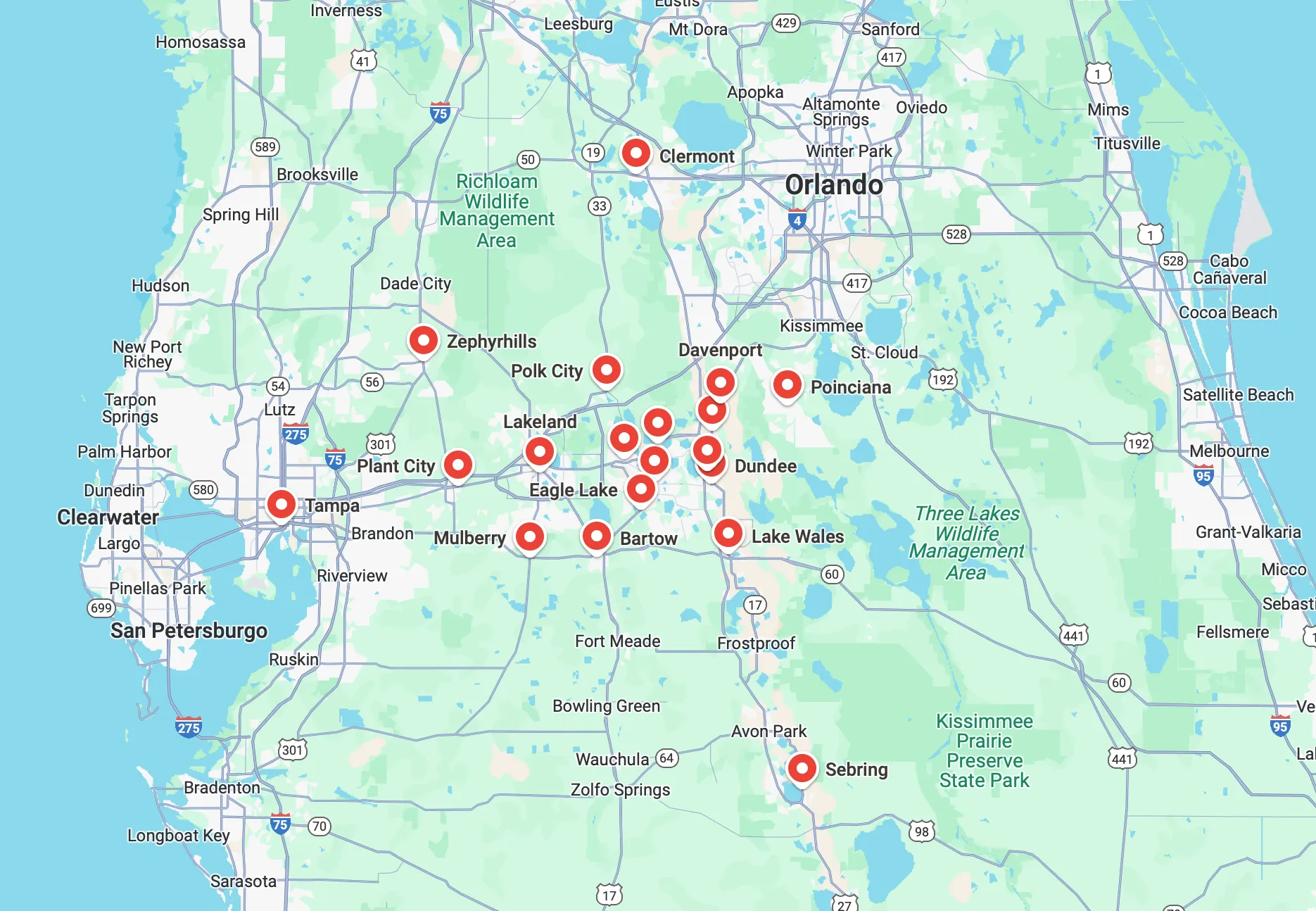
Air Quality Testing in Eagle Lake, FL
IAQ Air Quality Testing in Eagle Lake, FL
Indoor air quality testing for Eagle Lake, FL homes and businesses identifies hidden pollutants, quantifies exposure risks, and guides effective filtration and humidity control decisions. With Central Florida humidity, seasonal pollen, and occasional storm-driven water intrusion, IAQ testing is especially valuable in Eagle Lake to protect respiratory health, preserve building materials, and direct practical, cost-effective remediation.
.jpeg)
What IAQ tests are performed
IAQ testing packages typically combine targeted field measurements with lab-analyzed samples to provide a clear picture of indoor air conditions. Common tests include:
- Particulate counts (PM2.5 and PM10): Real-time particle counters measure fine and coarse particles that affect asthma, allergies, and cardiovascular health.
- Total and speciated volatile organic compounds (VOCs): Handheld PID meters and/or lab canister analysis detect general VOC levels and, when needed, identify specific compounds like formaldehyde from new building products.
- Relative humidity and temperature: Continuous logging shows whether humidity routinely exceeds the 40 to 60 percent range that limits mold growth in humid climates like Eagle Lake.
- Mold spore sampling: Air or surface samples sent to a lab determine mold concentrations and types after suspected water intrusion or during chronic musty odors.
- Carbon dioxide (CO2): CO2 levels indicate ventilation effectiveness in occupied spaces, helping determine whether increased outside air or mechanical ventilation is needed.
- Carbon monoxide (CO) screening: Safety checks for combustion appliances and attached garages.
- Surface chemistry or dust wipe analysis: When tracking lead residues, pesticides, or long-term VOC deposition is necessary.
When testing is recommended in Eagle Lake, FL
Consider IAQ testing in these situations common to Central Florida homes and businesses:
- Unexplained health symptoms: Chronic sneezing, persistent headaches, worsening asthma, or unexplained fatigue while at home or work.
- After moisture events: Roof leaks, plumbing failures, or flood/storm damage increase mold and bacterial growth risk.
- Before or after renovations: New paint, cabinetry, flooring, or insulation can elevate VOCs and formaldehyde.
- When occupants report odors: Persistent musty, chemical, or fuel-like smells that cleaning does not remove.
- Buying or renting a property: Pre-occupancy testing provides assurance about hidden issues in humid, older housing stock.
- Poor perceived ventilation or high dust: CO2 and particulate readings confirm ventilation and filtration performance.
How test results inform filtration and humidity control choices
Test results translate directly into practical equipment and operational decisions designed for Eagle Lake environmental factors.
- High PM2.5 or persistent dust
- Recommendation: High-efficiency filtration such as MERV 13+ or HEPA filters in central HVAC and portable HEPA units for bedrooms or living areas.
- Rationale: Fine particles penetrate deep into lungs and trigger allergies and asthma. Local landscaping, road dust, and pollen spikes make targeted filtration critical.
- Elevated VOCs or formaldehyde
- Recommendation: Activated carbon or molecular filtration media paired with source control (seal or replace offending materials) and increased daytime ventilation when outdoor levels are lower.
- Rationale: VOCs from new flooring, adhesives, or household products are common after remodeling and in warm climates where off-gassing increases.
- High relative humidity or mold indicators
- Recommendation: Dehumidification to maintain 40 to 50 percent relative humidity, localized drying and remediation of wet materials, and HVAC drainage checks.
- Rationale: Eagle Lake humidity and summer thunderstorms create ideal conditions for mold growth; controlling moisture prevents ongoing mold spore release.
- Poor ventilation (high CO2)
- Recommendation: Increase outdoor air exchange through HVAC adjustments, energy recovery ventilators, or timed mechanical ventilation in densely occupied spaces.
- Rationale: Proper ventilation reduces odor, VOC buildup, and airborne pathogen concentration.
- Intermittent contamination sources
- Recommendation: Targeted source elimination (appliance servicing, sealing garage-door interfaces, changing household products) combined with portable filtration during high-exposure periods.
Typical deliverables you receive
A professional IAQ testing engagement for Eagle Lake properties produces clear, prioritized outputs you can act on:
- Executive summary with key findings in plain language
- Detailed numeric data: particulate counts, VOC concentrations, humidity/temperature logs, CO2 trends, and mold spore counts with laboratory identifications where applicable
- Comparison to health-based guidelines (EPA, ASHRAE, WHO) and interpretation specific to residential or commercial occupancy
- Prioritized mitigation plan: recommended filtration upgrades, dehumidification strategy, ventilation adjustments, and source-control actions
- Photographs and site notes documenting sample locations and any visible moisture or contamination
- If applicable, before-and-after or baseline comparison testing protocols to verify remediation effectiveness
Reports generally include immediate verbal highlights onsite followed by a written report with lab results and clear next steps.
The testing process and what to expect
Testing is a structured diagnostic process designed to reflect typical occupant exposure and produce actionable results:
- Pre-test information: A short questionnaire outlines occupancy patterns, known issues, recent renovations, and any health complaints.
- On-site walkthrough: Technicians identify sampling locations, record visible concerns, and set up instruments.
- Sampling and monitoring: Real-time instruments run for particulate, VOC, humidity, and CO2 measurements; air or surface samples collected for lab analysis if needed. Typical on-site time ranges from one to three hours depending on the package and property size.
- Preliminary feedback: Immediate findings (such as high humidity or dangerously high CO) are shared on-site if observed.
- Lab analysis and final report: Lab-based tests for mold or speciated VOCs are returned in days to a week. Final reports include data interpretation and a prioritized remediation plan.
Preparation tips for accurate results:
- Operate the HVAC as you normally would unless instructed otherwise.
- Maintain typical occupancy patterns the day of testing.
- Avoid heavy cleaning, vacuuming, or new painting within 24 hours prior to testing unless those activities are the point of interest.
Benefits of timely IAQ testing in Eagle Lake
- Rapid identification of health risks related to mold, particles, or chemical exposures common in humid subtropical climates
- Data-driven decisions for selecting the right filtration media and dehumidification equipment rather than guessing
- Cost savings by prioritizing fixes that address root causes rather than repeated band-aid solutions
- Clear documentation to support insurance claims, remediation validation, or when preparing a property for sale or occupancy
IAQ testing in Eagle Lake, FL provides the evidence base needed to protect occupants, preserve property, and optimize mechanical systems for local climate conditions. Accurate testing leads to targeted, effective solutions for filtration and humidity control that reduce health risks and extend equipment life.

Customer Testimonials

Service Areas