Heating Service in Lakeland, FL
Heating Heating Service in Lakeland, FL
Keeping your home warm, safe, and energy-efficient in Lakeland, FL requires HVAC service tailored to the region’s humidity, occasional cold snaps, and year-round heat pump use.
.jpeg)
Why heating service matters in Lakeland, FL
Lakeland’s humid subtropical climate means most homes rely on heat pumps and packaged units rather than heavy-duty furnaces. Systems run frequently to manage overnight chill and humidity control, so wear on compressors, coils, and electrical components is common. Timely service prevents efficiency loss, reduces repair frequency during sudden cold snaps, and protects indoor air quality when pollen and mold are active.
Common heating problems in Lakeland homes
- Reduced heating output or uneven heating across rooms
- Frequent short cycling or system that cycles on and off rapidly
- Frozen outdoor heat pump coils or poor defrost performance in cooler nights
- Noisy compressors, fans, or duct rattles from age or moisture-related wear
- Thermostat miscalibration or communication issues with smart controls
- Refrigerant leaks, corroded coils, or electrical component failures from humidity exposure
- Combustion safety issues on gas-fired equipment (if present) such as incomplete combustion or venting problems
Equipment commonly supported
- Air-source heat pumps (split systems) - the most common in central Florida
- Ductless mini-split heat pump systems for zone heating and cooling
- Packaged rooftop units used on some homes and multifamily properties
- Gas furnaces or furnaces paired with heat pumps in a hybrid setup (less common)
- Electric strip heaters and baseboard electric units in select properties
- Thermostats (programmable and smart) and zone control systems
- Ductwork inspection, sealing, and modification for optimal airflow
Diagnostics and service process
- Initial triage: A technician will identify symptoms, ask about recent performance, and recommend either immediate on-site diagnostics or a scheduled visit.
- On-site inspection: Visual and functional checks include airflow measurement, refrigerant pressure, electrical safety testing, compressor and fan operation, thermostat calibration, and combustion testing on gas equipment.
- Written estimate: After diagnostics, expect an itemized estimate that separates parts, labor, estimated time, and any permit fees. Diagnostic fees may be applied to the final repair cost.
- Repair or temporary fix: Technicians will explain immediate safety steps, provide a temporary fix if needed, and outline a recommended permanent solution and timeline.
- Verification: After work, the system is tested under operating conditions to confirm safe, efficient performance.
Repair vs replacement - practical guidance
Deciding whether to repair or replace depends on system age, frequency of breakdowns, repair cost relative to replacement, and efficiency goals. Typical lifespan:
- Heat pumps and packaged units: 10 to 15 years
- Gas furnaces (where used): 15 to 20 years
If a system is over a decade old, needs repeated costly repairs, or uses outdated, inefficient technology, replacement with a properly sized, higher-efficiency unit usually delivers better long-term value. Proper replacement includes load calculation (Manual J) and duct assessment to ensure the new equipment operates as intended.
Installation and replacement considerations
- Right-sizing: Accurate load calculations prevent oversizing which causes short cycling and humidity issues.
- Ductwork: Inspect for leaks, mold, and insulation deficiencies. In many Lakeland homes, modest duct sealing improves comfort and efficiency.
- Access and location: Outdoor unit placement should allow airflow and protect against flooding during heavy rains.
- Energy efficiency: Look for modern heat pump HSPF ratings and features like variable-speed compressors to manage humidity and reduce runtime.
- Indoor air quality: Consider upgraded filtration, UV lights, or improved ventilation to combat pollen and mold.
Maintenance benefits and recommended schedule
Regular maintenance preserves efficiency and reliability. Typical benefits:
- Lower utility bills and improved comfort
- Fewer emergency breakdowns during cold snaps
- Extended equipment life and preserved manufacturer warranties
- Improved indoor air quality and reduced allergen circulation
Common maintenance tasks:
- Biannual inspection and tune-up (recommended: once for spring cooling prep and once in fall before winter heating use)
- Monthly filter checks; replace more often during pollen season
- Coil cleaning, condensate drain clearing, and refrigerant level checks
- Electrical connection tightening and lubrication of moving parts
Service plans and warranty types
Service plans typically include:
- Annual or biannual tune-ups and prioritized scheduling
- Waived or reduced diagnostic fees for plan members
- Discounted parts and labor on repairs
- Seasonal system checks and filter delivery options
Warranties you may encounter:
- Manufacturer warranties on new major components (compressors, heat exchangers) and electronics
- Contractor labor warranties for workmanship and installation — often separate from parts coverage
- Extended warranties or parts protection plans for compressors and critical parts
When comparing plans and warranties, verify whether warranties are transferable, what actions void coverage, and the claims process for parts replacement.
Transparent pricing practices to expect
- Itemized written estimates separating parts, labor, taxes, and permit fees
- Diagnostic fee disclosure and whether it applies to repairs
- Clear explanation of warranty coverage and whether parts or labor are covered post-repair
- Advance approval for any work beyond the estimate or emergency temporary fixes
- Financing options or payment terms explained in writing when available
Emergency service and safety procedures
Emergency heating failures can pose safety risks on unusually cold nights. Typical emergency response steps:
- Triage phone assessment to determine safety risk (carbon monoxide, loss of heat with vulnerable occupants)
- Priority dispatching based on severity and local conditions
- On-site safety protocols: combustion appliance testing, CO checks, and temporary mitigations such as safe shutdowns or temporary heat while awaiting parts
- Clear documentation of temporary measures, recommended follow-up, and estimated timelines for permanent repair
How to evaluate a heating service provider in Lakeland
When choosing a provider, consider:
- Licensing and insurance appropriate for Florida HVAC work
- Experience servicing heat pumps and packaged units common in Lakeland
- Clear, written estimates and transparent warranty explanations
- Service plan options that include seasonal tune-ups and priority response
- References to local building codes and permitting practices for replacements

Customer Testimonials

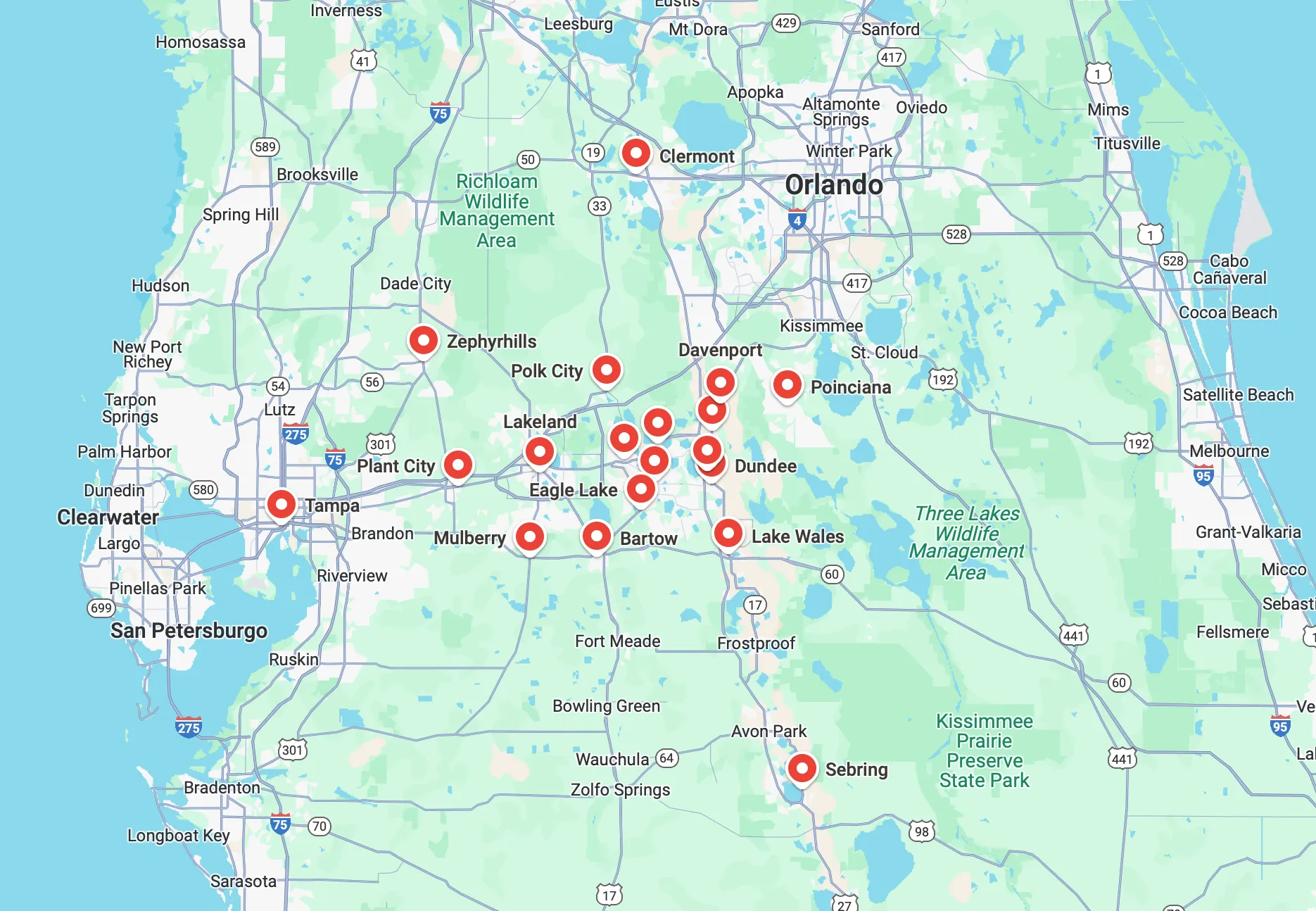
Service Areas