Furnace Tune-Up in Lakeland, FL
Heating Furnace Tune-Up in Lakeland, FL
A professional heating furnace tune-up in Lakeland, FL keeps your home safe, reliable, and ready for the cooler months. Even though winters here are milder than in northern states, temperature swings, high humidity, and year-round pollen can cause performance and safety issues in gas and electric furnaces. A thorough tune-up identifies hidden problems, restores efficiency, and reduces the risk of breakdowns when you need heat most.
.webp)
Why a tune-up matters in Lakeland, FL
- Local climate impact: High humidity can accelerate corrosion of metal components and promote condensate issues in certain systems. Pollen and dust are common year-round and clog filters and burners faster than in drier climates.
- Intermittent use: Furnaces in Lakeland often run only during occasional cold snaps. Systems that sit idle for long periods can develop ignition and fuel supply issues that are only discovered during operation.
- Safety: Gas furnaces must be checked for combustion safety and carbon monoxide risk, regardless of how often they run.
Common heating furnace problems in Lakeland, FL
- Dirty burners and clogged filters causing poor ignition or incomplete combustion
- Reduced airflow from a failing blower or dirty evaporator coils
- Corroded or cracked heat exchangers from moisture exposure
- Faulty ignition systems or flame sensors after long idle periods
- Blocked vents or flue issues from debris, insects, or nesting
- Electrical connections loosened by thermal cycling or humidity
What a comprehensive tune-up includes
A full furnace tune-up is a systematic inspection, cleaning, calibration, and safety verification. Technicians follow a checklist of diagnostic steps and corrective actions, focused on restoring safe, efficient operation.
Initial inspection and system evaluation
- Visual inspection of furnace cabinet, access panels, and surrounding area for debris, rust, or obstructions
- Verification of model, serial number, and service history to tailor the tune-up
- Thermostat function check and verification of correct settings and operation
Safety and combustion checks
- Gas line and connection inspection for leaks and secure fittings (for gas furnaces)
- Venting and flue inspection for proper draft, blockages, and corrosion
- Carbon monoxide check at operation and near ambient locations to confirm safe levels
- Combustion analysis or flame pattern inspection where applicable to ensure proper fuel burn
Cleaning of key components
- Burners: removal of deposits, soot, and dust to restore even ignition and flame pattern
- Heat exchanger: visual inspection for cracks or corrosion; cleaning external accessible surfaces
- Blower assembly: removal, cleaning, and lubrication of blower wheel and motor as needed to restore airflow
- Coils (if applicable) and filter area: remove dirt and pollen buildup that restricts flow
- Ignition and flame sensor: cleaning or replacement recommendation if pitting or buildup is present
- Condensate drain and trap checks for blockage in systems where applicable
Calibration and performance optimization
- Electrical connection tightening and voltage checks for motors and controls
- Limit switch and safety control testing to confirm proper shutoff points
- Measurement of airflow and static pressure to assess duct performance (basic checks)
- Temperature rise test across the heat exchanger to verify proper heat transfer
- Adjust burner pressure or fuel input and ignition timing where manufacturer guidelines permit
- Verify blower speed and fan timings for optimal comfort and efficiency
Detailed checklist of tasks performed
- Visual system and cabinet inspection
- Thermostat calibration and function check
- Replace or inspect air filter and recommend replacement frequency
- Clean burners, combustion chamber, and flame sensor
- Inspect heat exchanger for cracks or corrosion
- Clean and balance blower wheel and lubricate motor if required
- Inspect duct boots and accessible ductwork for leaks or disconnections
- Test safety controls, limit switches, and pressure switches
- Check flue, venting, and draft; test for proper exhaust flow
- Carbon monoxide measurement during operation
- Combustion efficiency or flame check for gas systems
- Verify electrical connections and measure voltages
- Record system performance readings and recommended next steps
Expected time on site
- Typical tune-up for a standard single-stage furnace: 60 to 90 minutes.
- Older systems, complex setups, or units requiring additional cleaning or replacement parts may take 90 to 120 minutes.
- If diagnostic testing reveals safety concerns, additional time will be taken to document findings and perform needed repairs.
Recommended frequency for tune-ups
- Annual tune-up: recommended for nearly all homes to maintain reliability and safety. In Lakeland, schedule the service in early fall before the first cold snap.
- Older systems (10+ years) or homes with known duct issues: consider semiannual inspections, especially if the furnace is part of an integrated HVAC system with heavy seasonal workload.
- After prolonged disuse or if you detect unusual odors, noises, increased fuel/electric usage, or changes in comfort levels: arrange an inspection regardless of the last tune-up date.
Benefits of timely furnace tune-ups
- Improved efficiency: cleaned burners and tuned controls reduce wasted fuel and lower energy usage.
- Increased reliability: preventive maintenance catches problems early to avoid inconvenient mid-season failures.
- Enhanced safety: combustion checks and carbon monoxide testing reduce the risk of dangerous leaks or malfunctioning heat exchangers.
- Longer equipment life: routine cleaning and lubrication reduce wear on motors and moving parts.
- Better indoor comfort: correct airflow and calibrated controls maintain consistent temperatures throughout the home.
Practical maintenance tips for Lakeland homeowners
- Replace or inspect filters every 1 to 3 months during allergy seasons and pollen peaks.
- Keep the area around the furnace clear of boxes, pet bedding, and stored materials to ensure airflow and reduce fire risk.
- Ensure vents and intake grilles are unobstructed both inside and outside the home.
- Install and test carbon monoxide detectors on each level of the home, and replace batteries as needed.
- Schedule your annual tune-up in early fall, when contractors are less busy and systems are checked before seasonal use.
A professional heating furnace tune-up in Lakeland, FL gives you confidence that your system is safe, efficient, and ready for the cooler days. Regular maintenance addresses common local issues like humidity-related corrosion and year-round pollen buildup, helping protect your home and keep heating costs under control.

Customer Testimonials

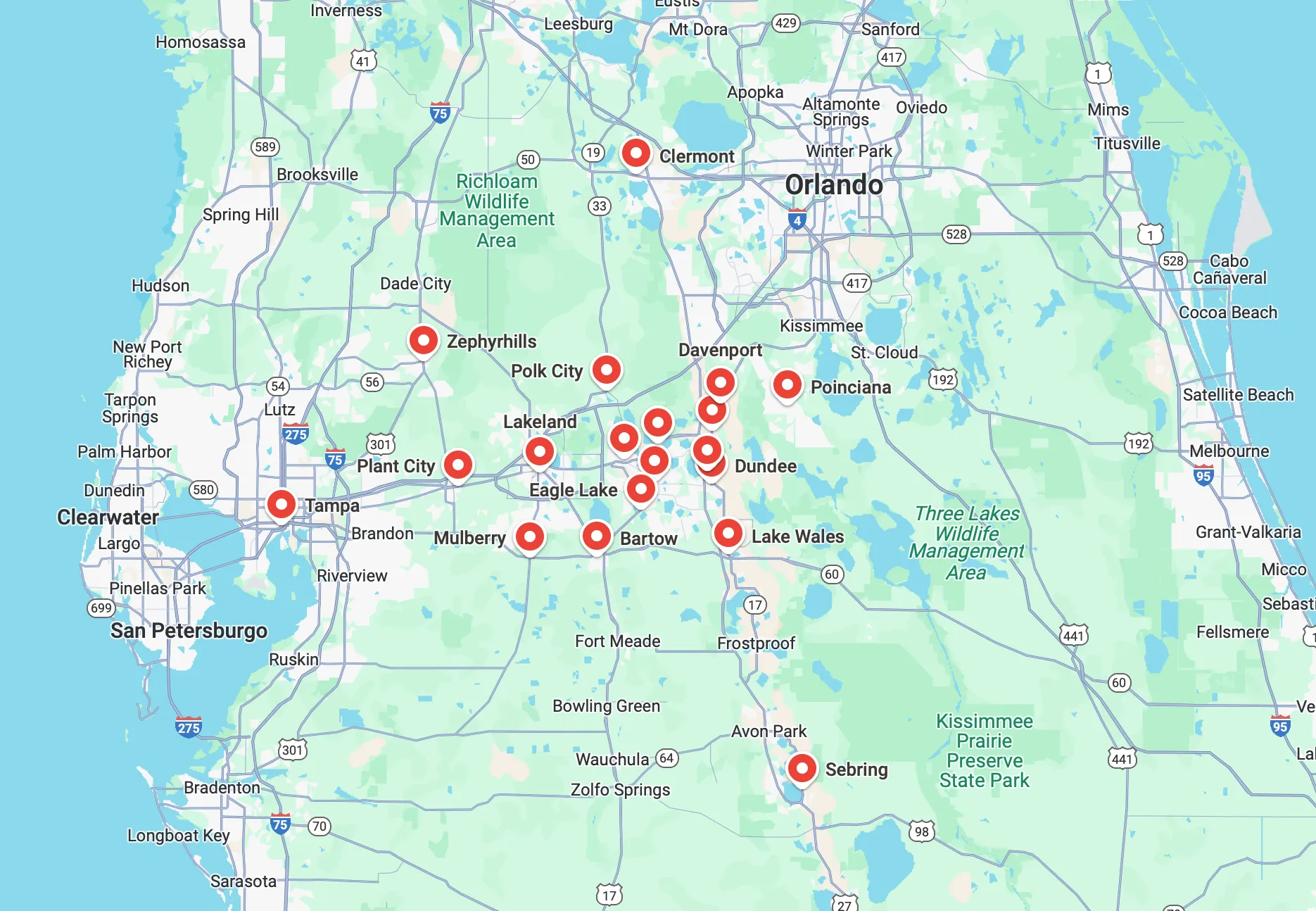
Service Areas