Furnace Replacement in Lakeland, FL
Heating Furnace Replacement in Lakeland, FL
Replacing the heating furnace in your Lakeland, FL home is a decision that balances comfort, safety, and long-term efficiency. Even though winters are mild, a properly sized, efficient furnace provides reliable warmth during cold snaps and helps maintain indoor humidity and air quality when paired with your cooling system.
.webp)
When to repair vs replace a furnace in Lakeland, FL
If your furnace is acting up, start with diagnostics. Consider replacement when one or more of the following apply:
- Age of the unit is near or beyond typical service life - many furnaces show diminishing returns after 15 to 20 years, though units in warmer climates that run less in winter may last longer.
- Recurring repairs or escalating repair costs that outpace the expected remaining life of the furnace.
- Significantly higher energy bills or reduced heating performance compared with past seasons, indicating degraded efficiency.
- Inconsistent heating across rooms or excessive short cycling, often tied to wear in the heat exchanger or blower.
- Safety concerns such as cracked heat exchanger, persistent carbon monoxide indications, or unsafe venting.
- Desire to upgrade to a more efficient system or to switch fuel types or install a hybrid system better suited to year-round climate control.
Repair makes sense when issues are isolated, the unit is relatively young, and no safety risks are present. Replacement is usually the better choice if multiple components are failing or the unit cannot meet your household comfort needs reliably.
Common furnace replacement types and local considerations
- High-efficiency gas furnaces (AFUE-rated): Good where natural gas is available. In Lakeland, a high AFUE furnace reduces winter operating costs even if heating hours are relatively low.
- Electric furnaces: Simpler and lower upfront cost to install where gas is not available, but operating costs depend on electricity rates and may be higher for extended use.
- Heat pumps and hybrid systems: In Florida climate, heat pumps often offer the best year-round efficiency by providing heating and cooling with a single system. A dual-fuel setup pairs a heat pump with a gas furnace for peak efficiency during rare cold spells.
- Modulating or variable-speed furnaces: Provide quieter operation, better zoned comfort, and improved humidity control when combined with your cooling system.
Local climate factors in Lakeland favor heat pumps for most homes, but existing ductwork, fuel availability, and personal preferences influence the optimal choice.
How we determine correct sizing and compatibility
Proper sizing is critical. Oversized furnaces short cycle and reduce efficiency and comfort. Undersized units struggle to keep up during cold weather. The right approach includes:
- Performing a Manual J load calculation or equivalent to determine heating needs based on home size, insulation, window area, orientation, and local climate factors.
- Inspecting and testing existing ductwork for leaks, insulation, and airflow capacity.
- Verifying compatibility with existing air handler, evaporator coil, and thermostat, or specifying replacements when needed.
- Considering future comfort goals such as zoning, indoor air quality upgrades, or integration with smart thermostats.
Energy-efficiency comparisons for Lakeland homeowners
- AFUE ratings indicate furnace efficiency for gas and oil models. Higher AFUE yields lower fuel consumption for the same heat output.
- For heat pumps, compare SEER and HSPF ratings. In warmer climates, higher SEER improves summer cooling efficiency, while HSPF reflects heating efficiency.
- High-efficiency units cost more upfront but often deliver lower operating expenses and increased home comfort. In Lakeland, the savings are realized primarily through reduced cooling interactions and overall improved system balance.
When evaluating options consider:
- Lifetime operating costs rather than only upfront price.
- How improved efficiency affects cooling season load and humidity control.
- Potential eligibility for local utility rebates or manufacturer incentives that favor high-efficiency equipment.
Financing and rebate options
Many homeowners in Lakeland choose financing to spread upfront costs, including installment plans, energy-efficiency loans, or HVAC-specific financing options. Utility companies and manufacturers sometimes offer rebates for qualifying high-efficiency units or heat pump installations. Documentation and equipment registration are commonly required to secure rebates. Review local utility programs in Polk County for current offerings and eligibility requirements.
Installation timeline and site preparation
A professional furnace replacement typically follows these steps:
- Pre-install inspection and load calculation.
- Final equipment selection and scheduling.
- Site preparation: clearing the area around the existing furnace, ensuring access to electrical, gas, and venting pathways, and securing permits if required by local code.
- Removal and safe disconnection of the old furnace, including fuel and electrical isolation.
- Installation of the new unit, adjustments to ductwork or venting as needed, electrical and gas hookups, and control integration.
- Commissioning and testing: airflow, combustion (for gas), safety devices, thermostat calibration, and performance validation.
- Cleanup and disposal of old equipment in compliance with local regulations.
Most residential replacements are completed in a single day when no major duct or structural work is needed. Complex jobs involving duct replacement, permits, or additional modifications may require more time.
Disposal and environmental considerations
Old furnaces should be disposed of responsibly. Metal components are recyclable. Gas furnaces require proper handling of any fuel lines and combustion products. If you replace with a heat pump, refrigerant recovery and recycling follow specific regulations; certified technicians must manage refrigerant-containing equipment. Ask for documentation that the old equipment was recycled or disposed of according to local environmental standards.
Warranties and registration
Furnace protection typically includes:
- Manufacturer warranty covering major components such as the heat exchanger and burners. Terms vary by model and manufacturer.
- Labor warranty provided by the installing contractor for workmanship and installation-related issues. Labor warranty length varies by installer.
- Extended warranty options may be available for parts and labor. Registration with the manufacturer is often required for full warranty benefits and may have registration deadlines.
Keep all warranty paperwork, receipts, and installation records. These documents are important for future service, transfers, or claims.
Maintenance and extending system life
Regular maintenance extends the life of your new furnace and preserves efficiency:
- Annual inspections and tune-ups, scheduled before the heating season, including combustion testing for gas units.
- Replace or clean filters regularly to maintain airflow and protect components.
- Keep vents and returns unobstructed and maintain balanced airflow in the home.
- Monitor thermostat settings and consider programmable or smart thermostats for better energy control.
Routine maintenance reduces the likelihood of premature replacement and maintains the performance gains from a new installation.

Customer Testimonials

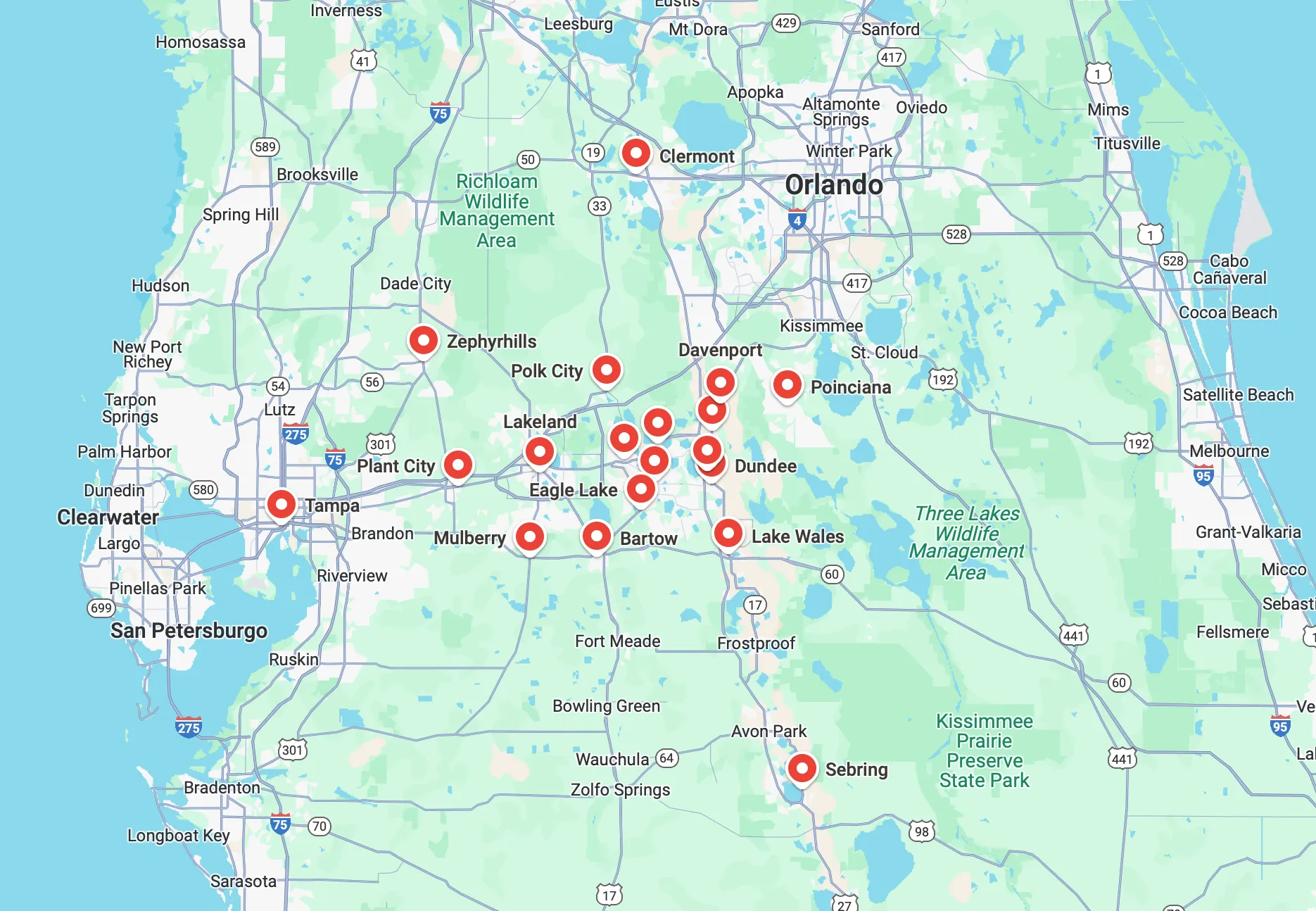
Service Areas