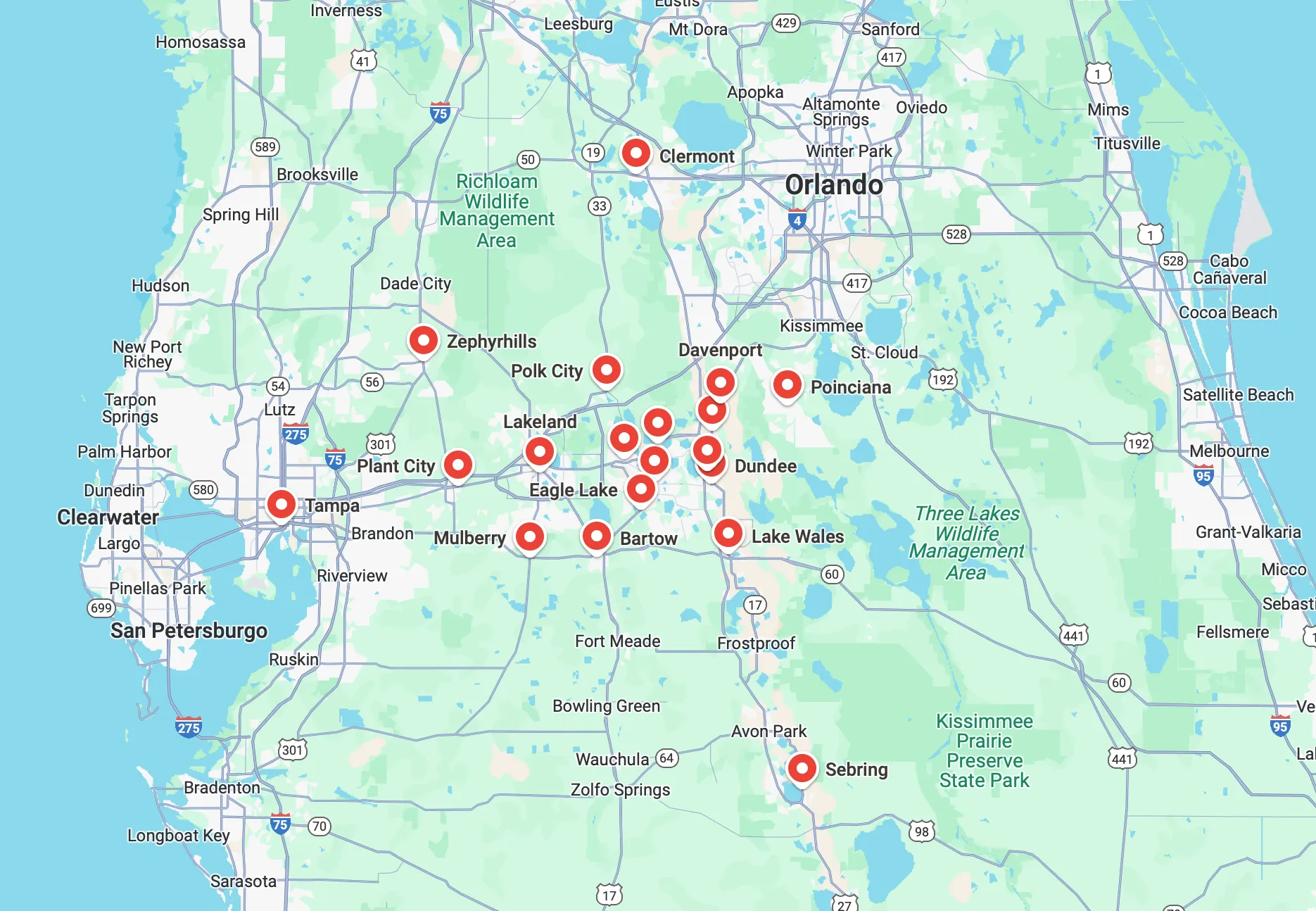
Furnace Repair in Zephyrhills, FL
Heating Furnace Repair in Zephyrhills, FL
Heating furnace repair in Zephyrhills, FL focuses on restoring reliable, safe heat when you need it most. Even though winters here are milder than northern climates, cold snaps, overnight lows, and humidity-driven comfort issues make a functioning furnace essential.
.jpeg)
Why timely furnace repair matters in Zephyrhills, FL
Furnaces used in central Florida often cycle less frequently, but when they fail it can affect home comfort and indoor humidity control. Coastal and near-coastal conditions can accelerate corrosion on outdoor components and electrical contacts, making early diagnosis important. Addressing problems promptly prevents safety hazards such as carbon monoxide exposure, reduces energy waste from inefficient operation, and avoids larger failures during cold nights.
Common furnace issues in Zephyrhills and simple checks
Common furnace problems include ignition faults, flame instability, blower or airflow failures, thermostat faults, and electrical or control board issues.
- Ignition issues
- Symptoms: furnace tries to light but fails, repeated clicking, no heat.
- Quick checks: verify thermostat settings, change thermostat batteries, confirm gas supply is on, reset circuit breaker. Do not open gas lines or attempt internal repairs.
- Flame problems
- Symptoms: no flame, weak flame, yellow or flickering flame.
- Quick checks: inspect for dirt blocking burners and check that vents are unobstructed. A yellow flame can indicate incomplete combustion and requires professional combustion analysis.
- Blower and airflow problems
- Symptoms: furnace runs but air is weak, unusual rattling or squealing noises.
- Quick checks: replace or clean the air filter first, make sure registers are open, verify the blower door is secured. Persistent noise or no airflow indicates motor, capacitor, belt, or control issue.
- Thermostat and control issues
- Symptoms: furnace does not respond to set temperature, cycles erratically.
- Quick checks: confirm thermostat is in heating mode and set higher than room temp, replace batteries, check wiring if visible and you are comfortable.
These homeowner checks narrow down likely causes but do not replace a professional safety inspection.
Diagnostic approach: what professionals do
A professional furnace repair technician uses systematic diagnostics to pinpoint issues and ensure safety:
- Initial assessment: confirm symptoms, unit model and age, recent maintenance history, and current conditions in your home.
- Safety checks: gas valve shutoffs, odor checks for gas, and checking carbon monoxide detector status.
- Electrical and control inspection: test fuses, breakers, wiring continuity, and control board signals.
- Combustion and ignition checks: verify ignitor or pilot operation, flame sensor condition, gas pressure, and burner flame quality.
- Mechanical inspection: inspect blower motor, capacitor, belts, inducer motor, and vents for wear or obstructions.
- Performance testing: measure temperature rise, airflow, and in some cases combustion efficiency to identify heat exchanger problems or incomplete combustion.
Technicians will document findings and present repair options and expected outcomes.
Parts replacement process and warranties
Common parts replaced during furnace repair include ignitors, flame sensors, gas valves, blower motors, capacitors, inducer motors, control boards, and limit switches. The typical replacement process:
- Confirm diagnosis and show the faulty part or provide photographic evidence when possible.
- Explain OEM versus aftermarket part options and expected lifespan differences.
- Install the new part, test the system across several cycles, and verify safe combustion and airflow.
- Perform safety checks including venting and carbon monoxide monitoring where applicable.
Most professional repairs include a parts warranty and a labor warranty. Ask for written warranty terms and confirmation that safety checks were completed after repairs.
Flat-rate vs hourly pricing explained
Understanding pricing helps you make informed decisions:
- Flat-rate pricing
- Best for common, well-defined repairs such as ignitor replacement or capacitor swap.
- Pros: predictable cost, easier budgeting, often includes parts and labor for the specified job.
- Cons: may not cover additional issues discovered during repair unless specified.
- Hourly pricing
- Common for complex diagnostics, custom work, or jobs where the scope is uncertain.
- Pros: you pay for actual time spent, useful when troubleshooting is required.
- Cons: final cost can be less predictable; ask for an hourly rate, estimated time, and whether a diagnostic fee applies.
A professional estimate should list parts, labor, and any warranty coverage. In many cases, diagnostic fees are credited toward repair if performed.
Emergency repairs and critical safety checks
Emergency repairs are necessary when there is a gas odor, suspected carbon monoxide leak, or total loss of heat during extreme conditions. A qualified technician will prioritize safety: shut off gas if needed, ventilate, and perform immediate checks on the heat exchanger, flue, and combustion components. In Zephyrhills, sudden cold nights can create urgent need for fast response to restore heat and maintain safe indoor temperatures.
Critical safety checks include:
- Carbon monoxide testing and confirming CO detector operation
- Heat exchanger inspection for cracks or corrosion
- Proper venting and flue integrity
- Gas leak detection and pressure verification
- Electrical safety checks and secure grounding
Any suspected combustion or CO issue warrants immediate professional attention.
When to repair versus replace
Consider these factors when deciding between repair and replacement:
- Age of the furnace: units older than 15 years are often less efficient and more prone to costly failures.
- Frequency of repairs: multiple repairs within a short time indicate declining reliability.
- Cost of repair versus replacement: a common rule is if repair cost is 50 percent or more of the replacement cost, replacement may be more cost effective.
- Safety concerns: cracked heat exchangers or repeated combustion problems usually mean replacement is necessary.
- Efficiency and energy use: replacing an older furnace can reduce energy use and improve humidity control, which matters in Florida homes.
- Local usage patterns: because furnaces in Zephyrhills run less often, replacing for marginal efficiency gains may not be urgent unless reliability or safety is a concern. However, corrosion and humidity-related wear can justify replacement if major components are compromised.
Preparing for a service visit and seasonal maintenance tips
Before a technician arrives, gather the furnace model and age if possible, note the symptoms and when they occur, and check the filter. Seasonal maintenance reduces repair likelihood: replace filters every 1 to 3 months during use, keep vents clear, ensure outdoor vents are free of debris, and schedule annual professional tune ups. Regular maintenance extends equipment life and helps identify issues early in the Zephyrhills climate.
This guidance on heating furnace repair in Zephyrhills, FL equips homeowners with practical diagnostics, an understanding of repair workflows and pricing, and the safety criteria to decide whether to repair or replace a furnace. Consistent maintenance and timely responses to warning signs keep your home safe and comfortable through occasional cold spells.

Customer Testimonials

Service Areas