Furnace Maintenance in Zephyrhills, FL
Heating Furnace Maintenance in Zephyrhills, FL
Keeping your heating system in top condition in Zephyrhills, FL matters even though winters are mild. Regular heating furnace maintenance prevents safety risks, restores proper airflow after long idle periods, avoids corrosion from humid conditions, and keeps energy use low when you do need heat.
.jpeg)
Why furnace maintenance matters in Zephyrhills
Zephyrhills has a warm, humid climate with occasional cool spells. That environment creates a few local maintenance priorities:
- Humidity and corrosion: Moisture accelerates rust and corrosion on metal components and flue parts.
- Mold and indoor air quality: High humidity increases the risk of mold and microbial buildup in ducts and on coils.
- Seasonal idleness: Furnaces sit unused for much of the year, which can allow dust, pests, and stiff bearings to develop.
- Weather events: Storms and power outages can lead to system stress; pre- and post-storm checks help avoid damage.
Even if your heating needs are limited, annual tune-ups protect safety, reliability, and efficiency.
Common furnace problems in Zephyrhills homes
- Weak or uneven heating after long inactivity
- Short cycling (system turns on and off frequently)
- Musty odors from duct or heat exchanger contamination
- Ignition or pilot failures in gas furnaces
- Reduced airflow caused by clogged filters or obstructed ducts
- Corroded flue components or venting issues
- Squeaks or grinding from motors and bearings that need lubrication
Addressing these issues early reduces repair costs and minimizes safety risks like carbon monoxide exposure in combustion systems.
What a seasonal inspection includes
A comprehensive seasonal inspection for furnaces typically covers these steps:
- Visual inspection of the furnace cabinet, burners, heat exchanger, venting, and combustion chamber
- Verification of proper venting and flue condition to prevent combustion byproduct backdrafts
- Combustion and carbon monoxide safety checks on gas furnaces
- Thermostat calibration and control verification
- Operational test run to observe start-up, flame patterns, cycle timing, and temperatures
- Inspection of electrical connections, capacitors, and safety switches
- Condensate drain and pan inspection where applicable. These checks catch developing problems and confirm safe operation before you need the system.
Filter replacement and airflow care
Maintaining clean filters is one of the fastest, most effective ways to keep a furnace running properly:
- Replace or clean filters every 1–3 months depending on filter type, household occupancy, pets, and indoor air quality needs.
- High-efficiency pleated or HEPA-compatible filters can improve air quality but require more frequent monitoring if your blower struggles with pressure drop.
- Technicians will measure airflow and static pressure to ensure the system is moving the correct volume of air; restricted airflow shortens component life and reduces heating uniformity.
Burner and heat exchanger cleaning
- Burners and combustion components accumulate soot, dust, and residues over time, which reduces efficiency and can cause incomplete combustion.
- Technicians clean burners, inspect for proper flame shape, and check ignition components (pilot, spark, or hot surface igniter).
- The heat exchanger is inspected for cracks or corrosion. Even hairline cracks can be a serious safety issue in gas systems because they can allow combustion gases into the conditioned air stream.
- Proper cleaning restores heat transfer efficiency and reduces the chance of dangerous combustion byproducts.
Safety and efficiency checks
Safety is the top priority during a furnace maintenance visit:
- Carbon monoxide measurement and flue/vent leakage tests on combustion systems
- Gas leak inspection and valve/line integrity checks
- Verification of limit switches, rollout switches, and other safety interlocks
- Inspection of electrical wiring and components for overheating or wear
- Lubrication of motors and checking belts or pulleys for alignment
- Combustion efficiency testing where applicable to confirm proper fuel-to-air ratios. These procedures protect occupants and help the furnace run with optimal fuel use.
Benefits of preventive maintenance
Regular furnace maintenance provides practical, measurable benefits:
- Improved reliability and fewer unexpected breakdowns during cold snaps
- Extended equipment life by reducing wear on motors and moving parts
- Enhanced safety through timely detection of cracked heat exchangers and venting problems
- Better energy efficiency - a well-tuned furnace typically uses less energy to produce the same amount of heat
- Improved indoor air quality with timely filter changes and duct/coil cleaning
Recommended service intervals
- Annual professional furnace tune-up: at least once per year; schedule in late fall or before the first prolonged cool period.
- Filters: inspect monthly; replace every 1–3 months depending on use and filter type.
- Combustion and CO testing: annually for gas-fired systems and immediately if you detect unexplained odors or symptoms of CO exposure.
- Duct inspection and cleaning: every 3–5 years or sooner if there are signs of contamination, pest activity, or mold.
What a maintenance plan typically covers
A maintenance plan is designed to simplify upkeep and keep service records current. Typical elements include:
- Scheduled seasonal inspections and tune-ups for heating (and often cooling) systems
- Priority scheduling for maintenance windows and diagnostic visits
- A checklist of included tasks such as filter reminders, safety testing, lubrication, and combustion analysis
- Documentation of service history to support warranty compliance and resale transparency
- Diagnostic testing and adjustment work during each visit to maintain efficiency and safety. Plans vary by provider, but the consistent advantage is predictable, documented care that reduces the likelihood of emergency repairs.
Final tips for Zephyrhills homeowners
- Keep the area around the furnace clear to ensure proper airflow and safe access for inspections.
- Monitor indoor humidity; use dehumidification when necessary to reduce corrosion and mold risk.
- Replace filters more frequently during pollen season or after storms that can introduce more dust into the home.
- Note unusual smells, noises, or cycling behavior and schedule an inspection before problems escalate. Regular maintenance protects both your family’s safety and the investment in your home comfort system. Routine, professional care tailored to Zephyrhills’ humid climate and seasonal patterns ensures dependable, efficient heating when you need it.

Customer Testimonials

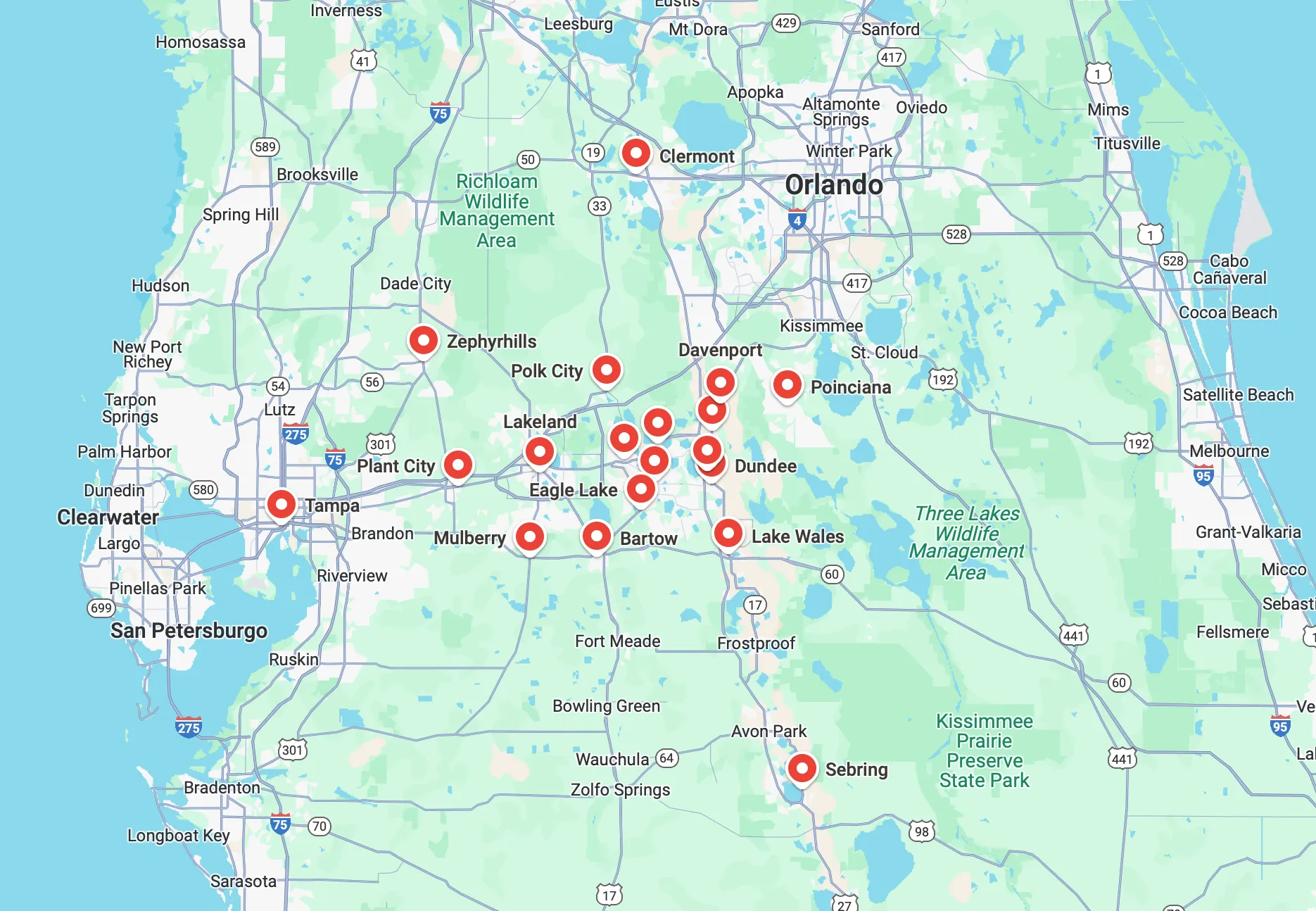
Service Areas