Furnace Repair in Lakeland, FL
Heating Furnace Repair in Lakeland, FL
When winter cool fronts move through Polk County, a reliable heating furnace keeps your Lakeland home safe and comfortable. Although winters here are generally mild, sudden temperature drops and high humidity place unique demands on heating systems. Professional heating furnace repair in Lakeland, FL focuses on fast, accurate diagnosis, safety-first repairs, and steps to reduce repeat breakdowns so your home stays warm when you need it.
.webp)
Why timely furnace repair matters in Lakeland, FL
Even with short heating seasons, delayed repairs let small issues become safety hazards or cause long-term damage. Humid subtropical conditions in Lakeland can accelerate corrosion of electrical components and condensate-related problems in high-efficiency systems. Quick attention preserves efficiency, reduces energy costs, and prevents risks like carbon monoxide exposure or complete system failure during a cold snap.
Common heating furnace issues in Lakeland homes
- No heat or intermittent heat - caused by thermostat faults, ignition/igniter failures, pilot light or gas supply interruptions.
- Poor airflow or weak warm air - dirty filters, failing blower motors, blocked return vents, or duct leaks.
- Short cycling - furnace starts and stops frequently due to clogged filters, bad limit switches, or oversized equipment.
- Strange noises - rattles, squeals, or banging from loose panels, failing bearings, belts, or delayed ignition.
- Odors or excessive moisture - burning dust after long idle periods, or mildew and mold caused by humidity and clogged condensate lines.
- Safety concerns - gas odors, persistent soot, or a cracked heat exchanger, which can allow carbon monoxide into living spaces.
Step-by-step furnace troubleshooting and repair process
1. Initial assessment and history
- Technicians gather symptoms, frequency, and recent maintenance history. They note model, age, and installation location (attic, closet, or utility room), as attic or crawlspace installations common in Florida affect component lifespan.
2. Safety checks first
- Gas valves, exhaust venting, and carbon monoxide levels are checked before hands-on work. Electrical power is isolated when required.
3. Visual and basic operational tests
- Inspect filters, burners, ignition system, blower operation, duct connections, and thermostat communication.
4. Component testing and measurement
- Technicians test ignition modules/thermocouples, motor amperage, pressure switches, and limits to pinpoint failures.
5. Diagnosis and estimate
- A clear explanation of findings is provided with options: repair the failed component, replace multiple worn parts for longer reliability, or consider full system replacement if warranted.
6. Repair execution or parts ordering
- When possible, minor repairs and adjustments are completed the same visit. If parts are required, the technician secures compatible parts and schedules the follow-up repair.
7. Post-repair safety and efficiency checks
- After repair, combustion safety, airflow, thermostat calibration, and system cycling are verified. Technicians leave a summary of work performed and recommended next steps.
Repair vs. replacement: what to expect
- Minor repairs (filters, belts, thermostats, ignition sensors) are typically lower cost and can restore reliable operation quickly.
- Mid-level repairs (blower motor, control board, pressure switch) may be more costly but can be justified for systems under 10-12 years with good overall condition.
- Major failures (cracked heat exchanger, repeated furnace cabinet corrosion, or multiple failing components) often push replacement above repair. Furnaces near or beyond typical service life should be evaluated for replacement due to efficiency losses and safety risks.
- A practical rule used by professionals: if repair costs approach half the value of a new, properly sized system, replacement is often the more economical long-term choice because new systems bring better efficiency and reliability.
Typical turnaround times
- Diagnostic visit and estimate: same day or within 24 hours depending on scheduling.
- Simple repairs: often completed during the initial visit (1 to 3 hours).
- Repairs requiring ordered parts: 24 to 72 hours based on part availability.
- Complex repairs or system replacement: 1 to 3 business days, depending on equipment access and permit needs. Local parts availability and seasonal demand in Lakeland can affect timing, so scheduling before expected cold periods reduces delays.
Safety inspections and warranties
- Comprehensive safety inspections include combustion analysis, draft and venting checks, carbon monoxide testing, and visual inspection of the heat exchanger when accessible. These inspections identify hazards before repair work begins.
- Professional services typically back labor and coordinate manufacturer parts warranties. Ask for clear documentation of labor warranty duration and any manufacturer coverage on replaced components.
Emergency and after-hours availability
Heating failures during a sudden cold front or overnight present safety and comfort issues. Emergency furnace repair services in Lakeland typically provide after-hours response protocols for:
- No heating during cold nights
- Strong gas odor or suspected leak
- Carbon monoxide alarm activation
Response times vary but emergency calls are prioritized to mitigate safety risks quickly. For homes with vulnerable occupants, immediate attention is essential.
Practical tips to prevent future breakdowns
- Change or clean filters monthly during use; dirty filters cause airflow restriction and short cycling.
- Schedule annual tune-ups before the heating season to clean burners, test ignition components, and verify safe combustion.
- Keep vents and returns clear of furniture and debris to maintain airflow.
- Insulate and seal ducts in attics or crawlspaces to reduce heat loss and prevent moisture intrusion.
- Maintain proper attic ventilation and insulation to reduce stress on the furnace during cool snaps following hot, humid periods.
- Install and routinely check carbon monoxide detectors on each level for early detection of combustion issues.
- Address odd noises or odors promptly; they are often early signs of part wear or combustion issues.

Customer Testimonials

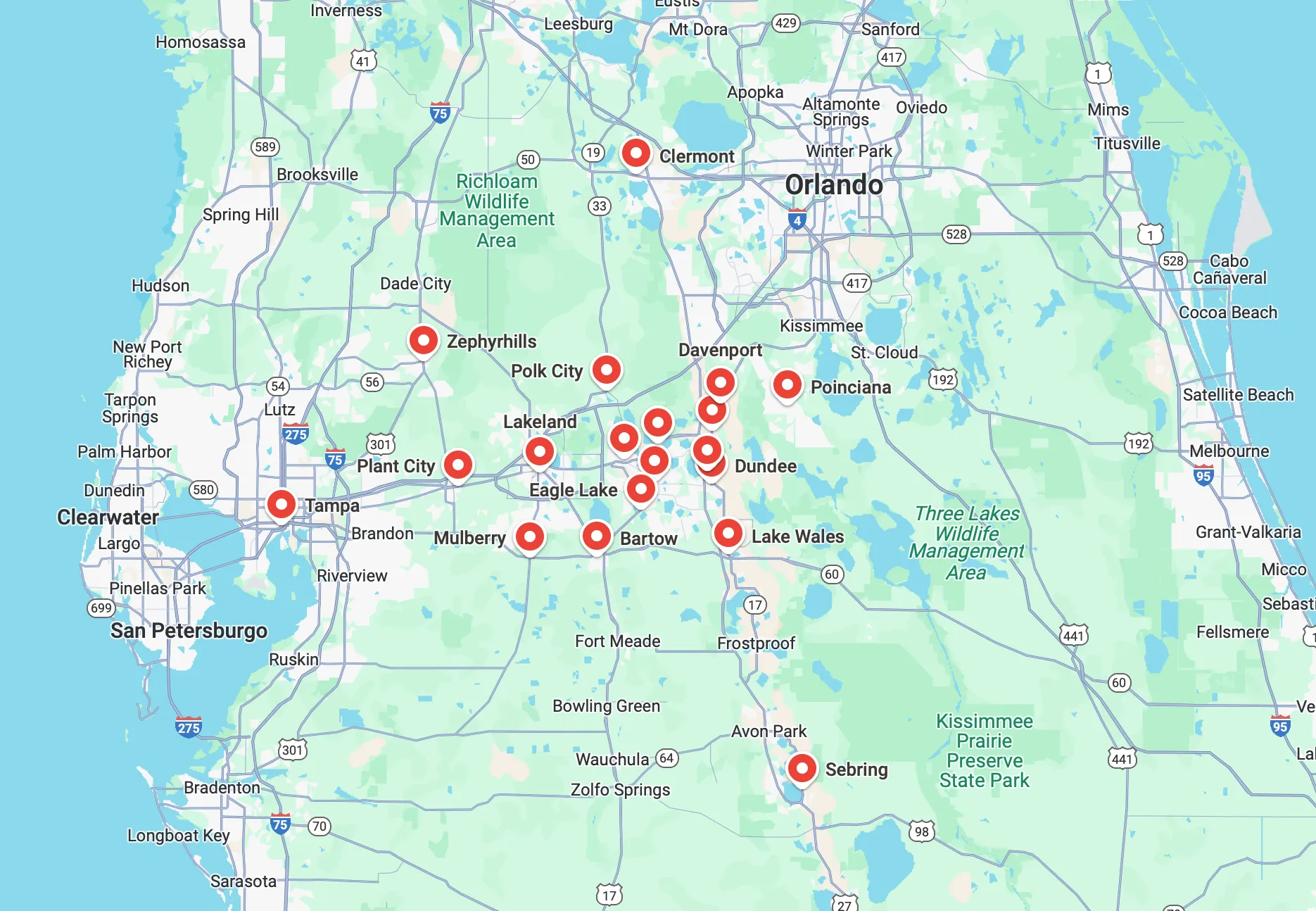
Service Areas