Furnace Maintenance in Lakeland, FL
Heating Furnace Maintenance in Lakeland, FL
Keeping your heating furnace in top condition in Lakeland, FL means more reliable winter comfort, safer operation, and lower energy bills when your system is called into service. Even though Central Florida winters are milder than northern climates, occasional cold snaps, high humidity, pollen and dust from local landscaping, and the strain of year-round HVAC usage make regular furnace maintenance essential for homes in Polk County.
.jpeg)
Why routine heating furnace maintenance matters in Lakeland, FL
- Increased reliability during occasional cold snaps and cooler nights when furnaces run after long idle periods.
- Improved safety through checks for combustion issues, carbon monoxide leaks, and proper venting—critical for gas furnaces.
- Better efficiency and lower energy bills by ensuring burners, heat exchangers, blowers, and controls are operating correctly.
- Longer equipment life and preserved warranty eligibility by documenting annual service and following manufacturer maintenance recommendations.
- Reduced risk of emergency repairs during high-demand times following storms or power interruptions common in Florida.
Common heating furnace issues in Lakeland, FL
- Clogged or dirty filters from seasonal pollen, lawn debris, and airborne dust that reduce airflow and force the furnace to work harder.
- Corrosion and moisture-related wear on components from high humidity, which can accelerate deterioration of heat exchangers, electrical connections, and drain paths.
- Ignition or burner problems after long inactive periods, leading to delayed or failed starts.
- Cracked heat exchanger or venting problems that can create safety hazards if not caught early.
- Reduced efficiency caused by improper airflow, dirty burners, or uncalibrated thermostats.
- Heat pump hybrid systems that serve as furnaces in many Florida homes may need biannual attention (heating and cooling seasons).
What a professional seasonal tune-up includes
A professional heating furnace tune-up is a systematic inspection and cleaning process focused on performance, safety, and efficiency. Typical steps include:
- Visual inspection of the entire furnace cabinet and surrounding area for signs of corrosion, pests, or water intrusion.
- Filter check and replacement recommendation based on the filter type and indoor air quality needs; cleaning or replacing disposable and washable filters as appropriate.
- Burner inspection and cleaning to ensure proper ignition and combustion.
- Heat exchanger inspection for cracks or rust that could indicate safety risks; a cracked heat exchanger requires immediate attention.
- Safety checks, including flame sensor cleaning, gas valve operation verification, and venting/vent-pipe integrity to prevent carbon monoxide back-drafting.
- Combustion analysis on gas furnaces to measure efficiency and ensure proper fuel-to-air ratios.
- Blower motor and wheel cleaning, belt inspection/adjustment, and airflow measurement to restore proper circulation.
- Thermostat calibration and control checks to confirm accurate temperature control and cycle timing.
- Electrical system inspection: tightness of connections, proper voltages, and testing of safety switches and limit controls.
- System performance test: verifying warm-air distribution, run cycle behavior, and that the system reaches set temperatures without excessive runtime.
Diagnostics and efficiency testing explained simply
Technicians use a combination of visual checks and basic instruments to diagnose furnace health:
- Combustion analyzer: measures how cleanly fuel burns in a gas furnace and checks for carbon monoxide presence.
- Static pressure or airflow checks: ensure the blower is moving sufficient air; restricted airflow lowers efficiency and can overheat the system.
- Voltage and amperage readings: detect electrical stress on motors that shortens component life.
- Temperature rise measurement: shows whether the furnace is producing the correct amount of heat for the airflow through the heat exchanger.These tests identify small problems before they become emergencies and quantify efficiency so you understand potential energy savings after service.
Recommended maintenance schedule for Lakeland homes
- Annual furnace tune-up: at least once every 12 months, ideally in early fall before temperatures drop and before the heating season starts.
- For heat pump or hybrid systems: two seasonal tune-ups per year (spring for cooling, fall for heating) since these systems handle both functions.
- Filter checks: monthly visual checks; replace disposable filters every 1-3 months depending on filter rating, pets, and indoor air quality. High-efficiency filters (higher MERV) may need more frequent monitoring to avoid airflow restriction.
- Carbon monoxide detector test: monthly checks of detector function and annual battery replacement if applicable; replace detectors per manufacturer guidance.
- Post-storm inspection: after significant storms or power outages, check the system for water intrusion, debris in vents, or electrical issues.
Service agreement plans - what they typically include
Service agreement plans offer predictable, ongoing maintenance and priority attention during peak demand. Typical plan benefits include:
- Scheduled seasonal tune-ups to ensure the furnace is inspected and maintained on a regular timetable.
- Priority scheduling for repairs during busy periods such as cold snaps or post-storm recovery.
- Reduced diagnostic fees or included safety inspections as part of regular service visits.
- Maintenance records that help preserve manufacturer warranties and document system history.
- Options for bundled coverage for combined HVAC systems, useful for homes in Lakeland that use heat pumps for both heating and cooling.
Benefits of preventative furnace maintenance
- Lower energy bills: keeping burners, filters, and blowers clean reduces fuel and electricity consumption.
- Fewer emergency repairs: routine inspection catches worn parts early, avoiding unexpected failures on cold nights.
- Safer operation: combustion and venting checks reduce the risk of carbon monoxide exposure and other hazards.
- Extended equipment life: regular cleaning and adjustments minimize wear and tear on motors and components.
- Consistent indoor comfort: balanced airflow and calibrated controls deliver steady, even heating when needed.
Final maintenance tips for Lakeland homeowners
- Use the right filter for your system and check it monthly during high pollen seasons. Consider a higher-quality filter if allergies are a concern but monitor for excessive restriction.
- If your home uses a heat pump, treat it as a year-round system: schedule tune-ups for both cooling and heating seasons.
- After severe weather, inspect external venting and the furnace area for water or debris.
- Keep the area around the furnace clear to maintain proper airflow and allow safe access for inspections.

Customer Testimonials

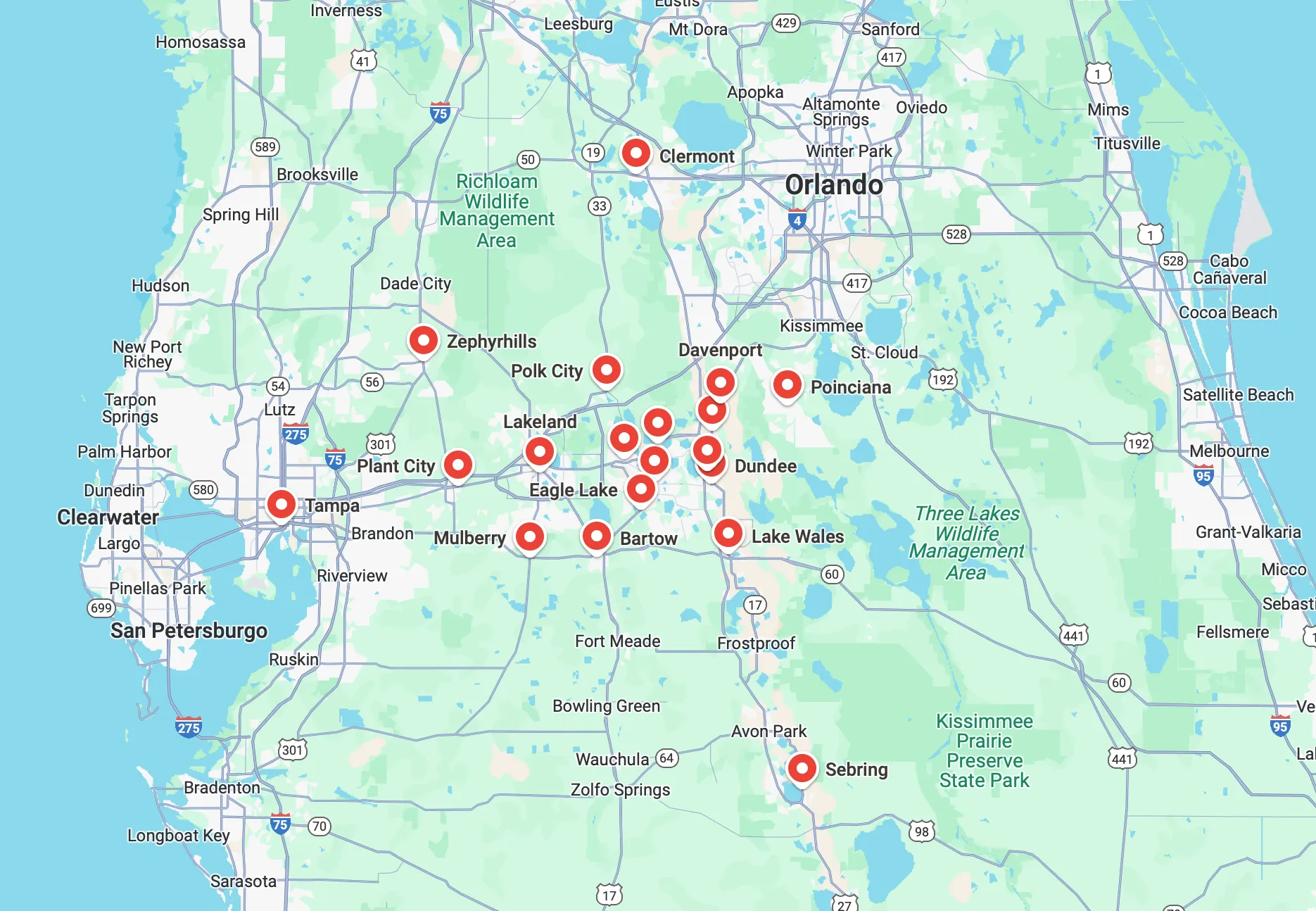
Service Areas