AC Service in Sebring, FL
AC Service in Sebring, FL
Keeping your air conditioning healthy is essential in Sebring, FL where hot, humid summers and frequent storm activity put continuous strain on cooling systems. Professional AC service in Sebring, FL ensures reliable comfort, lower energy use, longer equipment life, and safer operation for homes and small businesses. This page explains the full range of AC services commonly provided, the typical problems seen in Sebring homes, how diagnostics and repairs are performed, what maintenance plans include, and what to expect during installations and emergency responses.
.jpeg)
Why AC service matters in Sebring, FL
Sebring’s subtropical climate means air conditioners run for long stretches each year. High humidity raises cooling loads and increases the chance of condensate drain problems. Seasonal storms and power fluctuations can stress electrical components. Many local homes are older or have ductwork that needs attention, making routine service critical to avoid premature failures and costly emergency replacements.
Common AC problems in Sebring homes
Homeowners in Sebring frequently call for these issues:
- Reduced cooling capacity or uneven temperatures between rooms
- Short cycling where the unit turns on and off quickly
- Weak airflow due to clogged filters, dirty coils, or duct leaks
- Strange noises from failing motors, bearings, or loose components
- Water leaks from blocked condensate lines or pan overflow
- High energy bills from inefficient operation or incorrect refrigerant charge
- Electrical failures such as bad capacitors, relays, or burned wiring after storms
- Complete system failure due to compressor issues or age-related wear
Understanding the cause and risk of each problem helps prioritize repairs and investments in efficiency.
Standard inspection and diagnostic process
A thorough diagnostic follows a logical sequence to identify performance and safety issues:
- Visual inspection of indoor and outdoor units, ductwork, and thermostat location.
- Start-up and operational checks to observe cycling, noise, and airflow behavior.
- Electrical testing of capacitors, contactors, fuses, and wiring for safety and reliability.
- Refrigerant evaluation using pressure gauges to detect leaks or improper charge.
- Airflow measurement and temperature split assessment to verify evaporator performance.
- Condensate system inspection including pan, drain line, and condensate pump if present.
- System component checks including blower motor, fan, compressor, expansion device, and reversing valve when applicable.
Diagnostics are performed with calibrated tools. Findings are explained plainly, including the cause, the urgency, and recommended options for repair or replacement.
Typical repairs and what they involve
Repairs are prioritized by safety and system longevity. Common interventions:
- Refrigerant leak repair and proper recharge - involves locating the leak, fixing the leak point, and restoring the correct charge to factory specifications.
- Capacitor and contactor replacement - restores reliable starts and electrical function after storm stress or wear.
- Compressor diagnosis and replacement when necessary - major repair requiring matched components and electrical checks.
- Fan motor or blower wheel repair and balancing - improves airflow and reduces noise.
- Evaporator and condenser coil cleaning - restores heat transfer efficiency.
- Duct sealing and insulation repairs - improves comfort consistency and reduces energy loss.
- Thermostat calibration or upgrade - ensures accurate control and efficient cycles.
- Drain line clearing and condensate pump service - prevents water damage and microbial growth.
Each repair includes testing after completion to verify restored performance and safety.
Maintenance plans tailored for Sebring conditions
Planned maintenance reduces breakdown risk and preserves efficiency in humid, warm climates. Typical maintenance plan components:
- Seasonal tune-ups scheduled before peak cooling season and after storm season
- Filter checks and replacement guidance or replacement as part of the plan
- Coil cleaning and fin straightening to maintain heat transfer
- Refrigerant level check and leak detection screening
- Electrical safety inspection including tightening of terminals and testing of capacitors
- Drain line and pan cleaning to prevent clogs and overflow
- System performance report with documented findings and suggested improvements
- Priority scheduling options for plan members during busy summer months
Benefits include consistent comfort, extended equipment life, and predictable maintenance budgeting. In Sebring, regular maintenance is particularly valuable because it helps prevent humidity-related issues and keeps systems resilient through summer storms.
Installation coordination and replacement guidance
When replacement is the best option, proper planning minimizes disruption and optimizes long-term results:
- Load calculation and equipment sizing using industry-standard Manual J methods to ensure correct capacity for Sebring’s climate
- Selection of equipment matched to ductwork and home efficiency goals, including SEER ratings appropriate for Florida
- Ductwork assessment and modifications when needed to ensure proper airflow
- Permitting and local code compliance guidance to meet Highlands County regulations
- Coordination of delivery, installation scheduling, and on-site replacement logistics
- Start-up verification, refrigerant charge verification, and homeowner orientation on system operation and maintenance needs
- Responsible disposal of old equipment in accordance with local environmental regulations
A carefully managed installation protects indoor comfort, reduces operating costs, and simplifies future service needs.
Emergency service options and what to expect
In Sebring, power surges and storm damage can create urgent failures. Emergency service typically includes:
- Rapid response assessments to determine immediate safety hazards such as electrical faults or refrigerant leaks
- Temporary measures to restore basic cooling while parts are sourced
- Priority diagnostics and repair scheduling during heat events
- Post-storm system checks for latent damage that may not be immediately apparent
Emergency response emphasizes safety, containment of damage, and stabilization of indoor conditions until full repairs or replacements can be completed.
Long-term benefits of timely AC service
Consistent, professional AC service in Sebring, FL delivers measurable benefits:
- Lower monthly energy costs through optimized operation
- Fewer emergency breakdowns and better reliability during peak season
- Extended equipment lifespan when wear-and-tear is managed proactively
- Improved indoor air quality by reducing dust, mold, and moisture problems
- Safer operation with reduced risk of electrical failures or refrigerant issues
Regular service is an investment that reduces long-term ownership costs and maintains comfort through Sebring’s challenging climate.
Final considerations for Sebring homeowners
When evaluating AC service options, prioritize providers with experience in Florida climates, documented diagnostic processes, and clear explanations of repair options and expected outcomes. Look for maintenance plans that align with Sebring’s seasonal patterns and installation approaches that account for local permit requirements and storm resilience. Properly serviced systems keep homes comfortable, efficient, and safe year-round in Sebring, FL.

Customer Testimonials

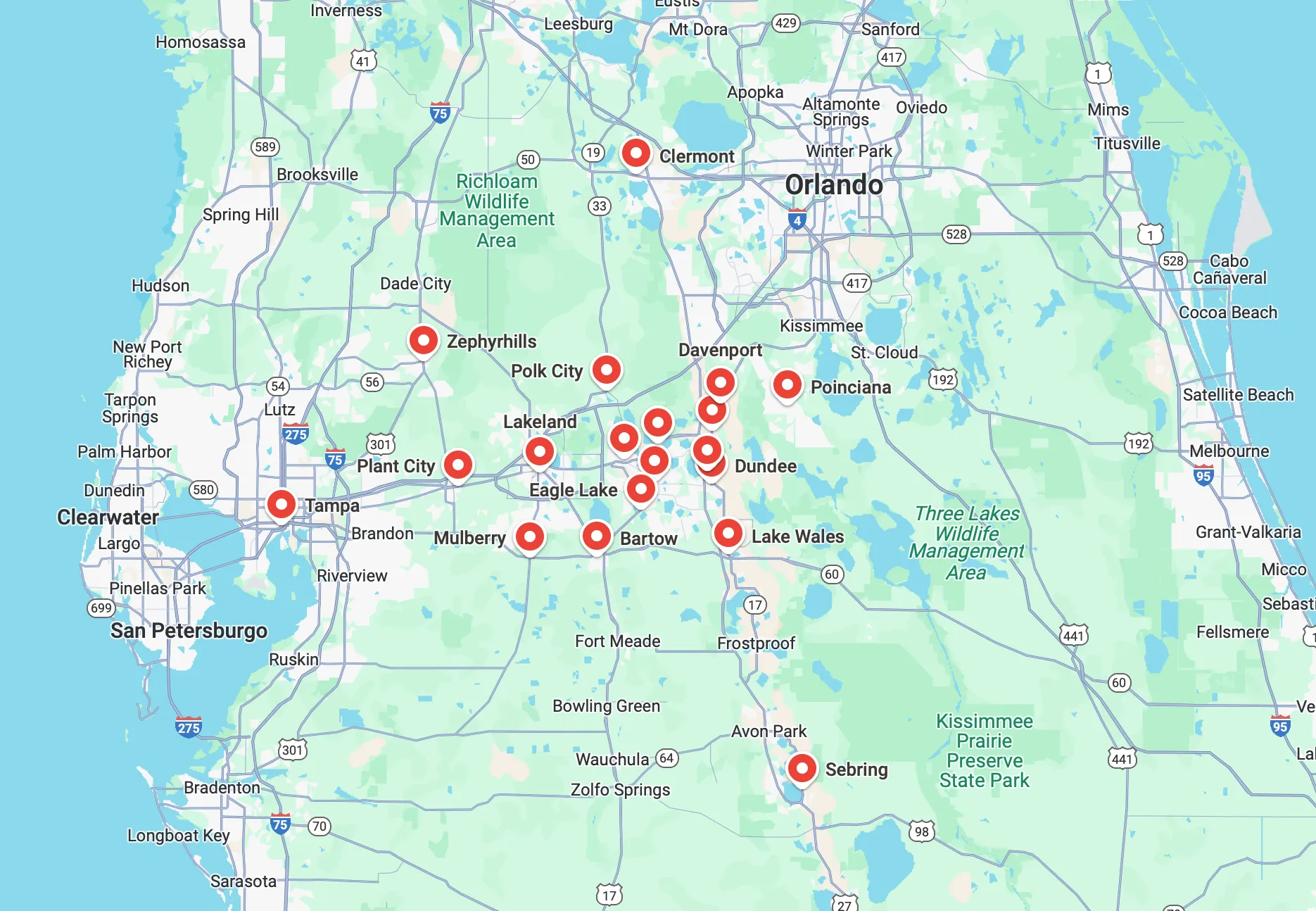
Service Areas